

Got any travels planned in the near future? Make sure to consult your health care professional pre-departure for personalized travel protection.
Passport, luggage, charging cables, a refillable water bottle, snacks for the plane — you’re all geared up for your next vacation, but might you be forgetting something?
Travellers often overlook the health risks they may come across abroad. “We don’t think about certain illnesses in Canada because we don’t encounter them,” says Dr. Alok Sood, a family physician and Medical Director of the Travel Clinic at the Albany Medical Clinic in Toronto. While malaria, chikungunya, or Japanese encephalitis may not be top of mind for Canadian travellers, these infections are responsible for hundreds of thousands of deaths each year. Fortunately, prevention is possible.
Understanding the risks
Dr. Sood recommends that travellers heading off to international destinations meet with their health care professional prior to departure for a custom consultation. “Travel health isn’t one size fits all,” he says. “A three-day business trip is very different from backpacking and adventure travel. It’s important to understand the destination, the activities planned, and the person’s underlying health. Our immune systems change over time, and age or chronic conditions can increase infection risk.”

A personalized approach takes individual factors — age, medical history, medications, immune status — into account to determine a traveller’s specific risk and what makes the most sense for them. “During a pre-travel consultation, I take a comprehensive look at a traveller’s overall health, review routine immunizations, check past medical records, and evaluate their itinerary to estimate their risk for various illnesses,” says Dr. Sood. “Some illnesses are less frequent but more severe, so I help patients understand both prevalence and severity to make informed decisions.”

Planning ahead and planning smart
Dr. Sood recommends planning your consultation well before you head out — four to six weeks prior is best. “Ideally, travellers should come one month or more before departure to give their immune system time to respond,” he says. That being said, he notes that there’s still value in coming even the day before your departure.
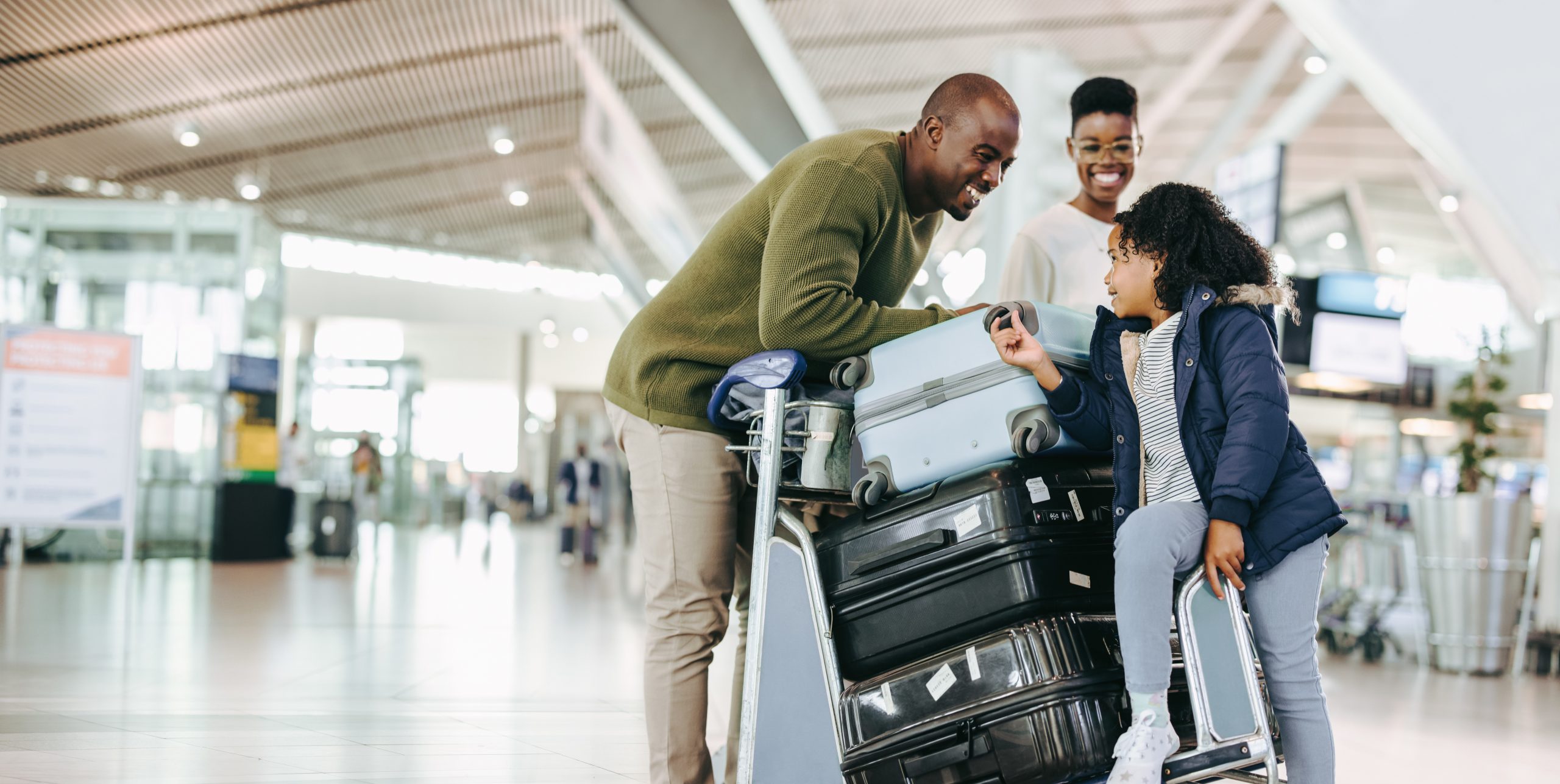
Increased global mobility, climate change, and emerging infectious diseases have created an environment that requires travellers to be proactive and informed about mosquito-borne diseases like chikungunya and Japanese encephalitis. At the same time, diarrhea caused by Enterotoxigenic E. coli is one of the most common issues when travelling, and anyone who has experienced this knows how it can disrupt a trip even when the destination seems low-risk. Preventive advice, food and water precautions, and a vaccine can help reduce the risk.
“Global warming is expanding the range of mosquito species into more temperate zones,” explains Dr. Sood. “Chikungunya is now found in over 100 countries, with recent outbreaks in South America involving hundreds of thousands of cases. It can cause prolonged pain and disability. Japanese encephalitis isn’t extremely common, but it has a high mortality rate of around 20 to 30 per cent, with about 20,000 deaths annually.”
With the right immunizations in place, travellers can relax and enjoy a safe, worry-free trip.
Consult your primary care professional and book a travel consult before your next trip.
This article is made possible by the support of Valneva Canada.