


Medication adherence packaging helps older adults, caregivers, and anyone juggling complex medication routines stay organized with support from their local pharmacist.
For many Canadians, managing multiple medications is part of daily life — especially as we age or support loved ones who want to continue living safely at home. But staying on track isn’t always easy. Research shows that about half of people don’t take their medications exactly as prescribed, even with the best intentions, which can lead to preventable health issues, emergency room visits, and hospitalizations.
A simple tool that makes a big difference
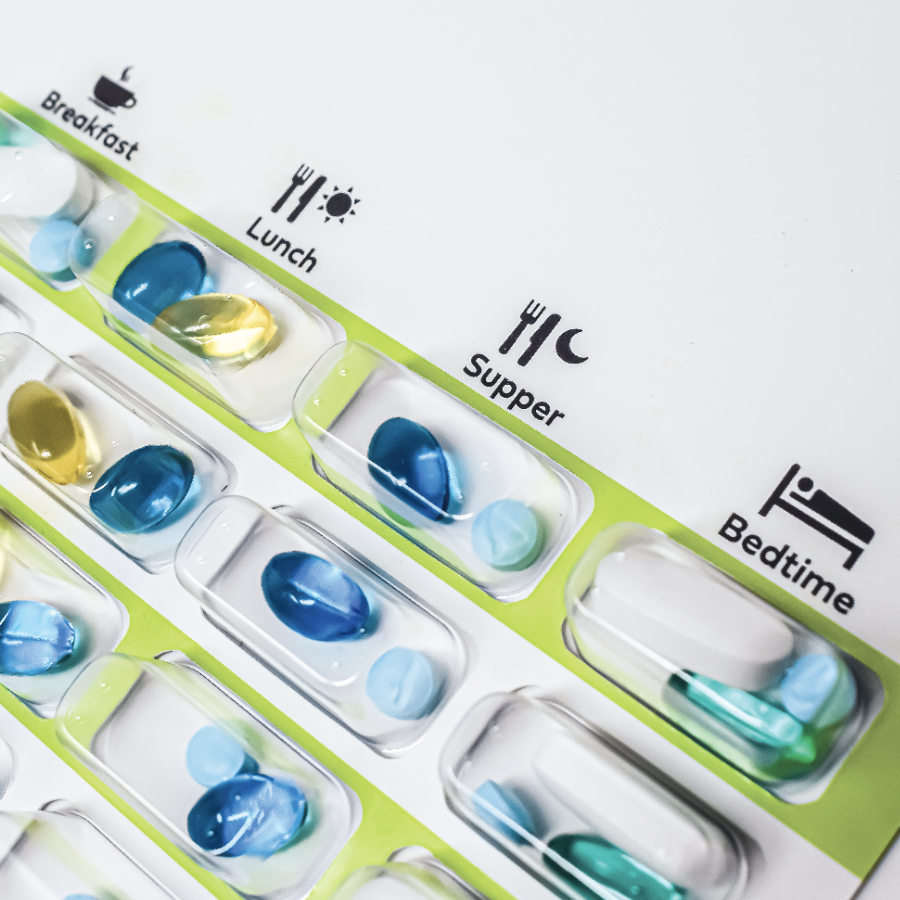
Across the country, pharmacists are offering practical tools to make medication routines clearer, safer, and more manageable. One of the most effective options is medication adherence packaging — often called “blister packs” or “compliance packs.” These pre-organized cards separate medications by day and time, showing at a glance what to take and when. For older adults, busy caregivers, or anyone juggling several prescriptions, this simple visual structure can remove guesswork and reduce the risk of missed or doubled doses.
Canada has a remarkable legacy of leadership in this area. In the 1980s, Jones Healthcare Group co-developed the first blister card designed specifically for multi-medication regimens — a Canadian innovation that helped establish the adherence packaging standards pharmacists rely on today. Those early principles of safety, clarity, and usability continue to guide how pharmacies support patients now.

How pharmacists can help
Adherence packaging has been shown to improve medication-taking habits, particularly when it’s prepared by a pharmacy team that understands the patient’s full regimen. Pharmacists can synchronize refills, flag interactions, and adjust the pack when medications change — offering ongoing support that goes far beyond counting pills. For caregivers managing medications for parents, partners, or neighbours, these packs can ease the emotional load and provide confidence that nothing has been overlooked.
At the same time, adherence packaging supports Canadians who want to age at home. When medication routines become more complex, maintaining independence can feel harder. A clearly organized, pharmacy-prepared system can help individuals stay in control of their health, support daily habits, and reduce reliance on others for reminders.
Talk to your pharmacist
Importantly, there’s no one-size-fits-all approach. Pharmacists may recommend weekly or monthly formats supported by clear visual cues, such as symbols and structured layouts, to help simplify complex regimens. They can also help determine whether adherence packaging is the right fit based on individual needs.
If you or someone you love is struggling to manage multiple medications, unsure whether doses were taken, or feeling overwhelmed by a changing regimen, talk to your pharmacist. These services are widely available across Canada, and pharmacists are uniquely equipped to tailor them to each person.
A small change in how medications are organized can make a meaningful difference in health, confidence, and peace of mind. Your pharmacist can help you take that step.
5 signs it’s time to ask about medication adherence packaging
- You or a loved one takes multiple medications each day.
- Doses are sometimes missed, doubled, or taken at the wrong time.
- There is confusion after a recent medication change or hospital stay.
- A caregiver is managing medications for someone else and feels overwhelmed.
- Pill bottles and schedules are starting to feel unmanageable.
Talk to your pharmacist about medication adherence packaging, and visit adherence.joneshealthcaregroup.com to learn more.