Falls are the No.1 cause of injury for seniors in Canada. Falls can lead to hospital stays and make it harder for seniors to live independently.
As people get older, falls are more likely to happen. A fall can cause injury, chronic pain and make everyday life harder. Even without an injury, a fall can shake a person’s confidence and cause them to be less active.
That’s why Parachute, Canada’s national charity dedicated to injury prevention, has developed the Caregivers’ Guide to Fall Prevention. It is available free of charge and provides simple and practical information to help caregivers understand, prevent and manage falls.
Who is a caregiver? They can be an adult child of an older adult, a spouse, a family friend, a neighbour: anyone who gives physical or emotional support to an older adult.

First, you need to assess someone’s fall risk, which you can do using the guide’s first chapter. Once you know the risk level, you can then learn about:
- Fall prevention strategies: Practical tips to address vision and hearing health, proper footwear, home modifications, mental health, physical activity and hydration.
- What to do if a fall happens: Step-by-step instructions on how to safely help someone after a fall, when to seek medical care and how to document falls for future prevention.
- Tools and resources: Includes a Personal Fall Risk Assessment, daily, monthly and annual reminders, and a Fall Action Plan for the care recipient.
- Conversation guide: Tips for discussing fall prevention with the person you care for, with advice from fellow caregivers.
- Building a care team: Information on professionals and caregiving organizations that can provide support, education and resources.
The guide is available as a downloadable PDF, and has separate tools you can download, too. Parachute has also created an audio version of the guide. You can listen to it on Parachute’s You Tube channel, download audio files from the resources section of this webpage, or access the guide in podcast format on the following services:
You’ll learn the following key strategies to prevent falls.
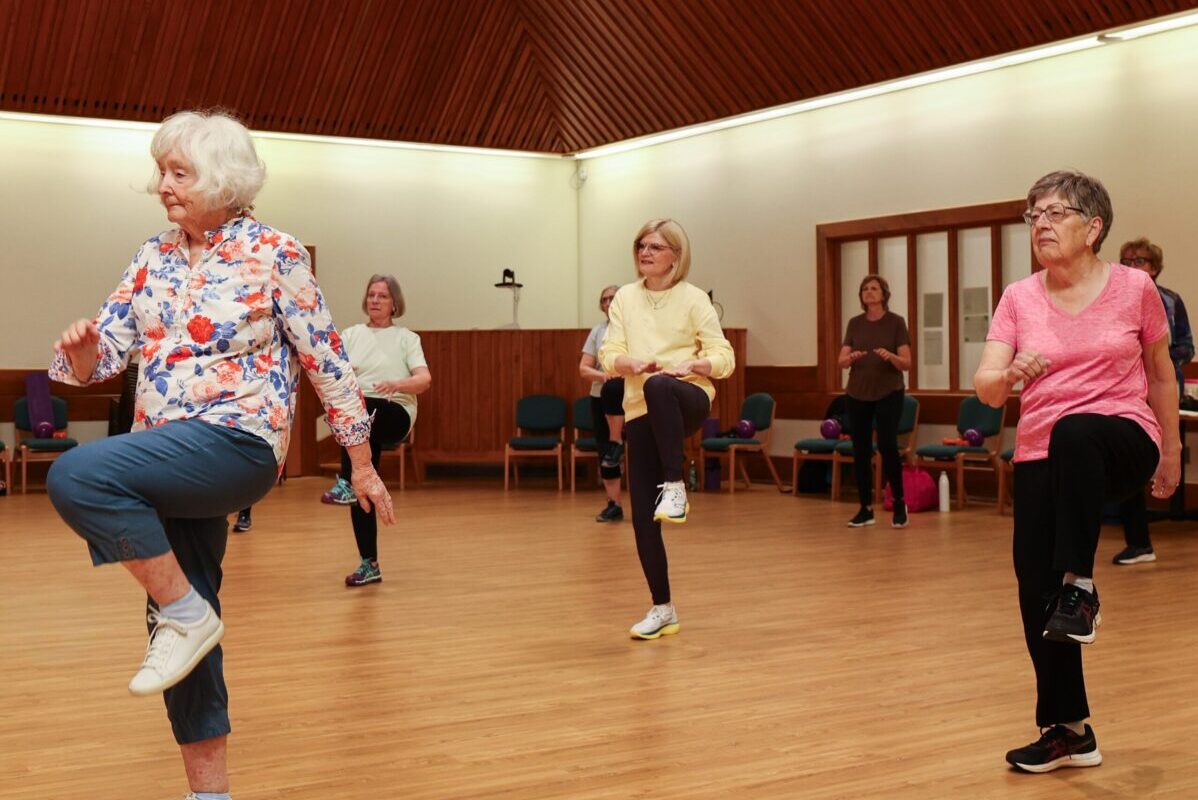
- Exercise: challenge your balance and build strength. Ironically, many older adults stop moving because they fear falling. It seems counterintuitive but moving more means falling less.
- Get enough sleep.
- Balance your body through good nutrition and hydration.
- Get your sight and hearing checked regularly.
- Maintain proper use of eyeglasses and hearing aids.
- Manage your medications and review them regularly with your pharmacist or doctor as some may make you prone to dizziness and falling.
- Wear well-fitting, sturdy shoes.
- Consider using a cane or other mobility device if needed.
- Take your time: don’t rush when walking or getting up.
Adapting the set-up of your home also is key to preventing falls.
- Make sure you have proper lighting in hallways, stairs and walkways, as well as in the bedroom and bathroom.
- Keep stairs free of clutter and exterior stairs and walkways free of clutter, ice or snow.
- Install hand rails along stairs and safety grab bars in the bathroom.
- Check your home for slipping and tripping hazards and use non-slip mats or rugs.
- Ensure regularly used items are within easy reach.
At Parachute, we want all people in Canada to live long lives to the fullest. Preventing falls is key to living that kind of full life as we and our loved ones age.
To learn more, visit parachute.ca.