

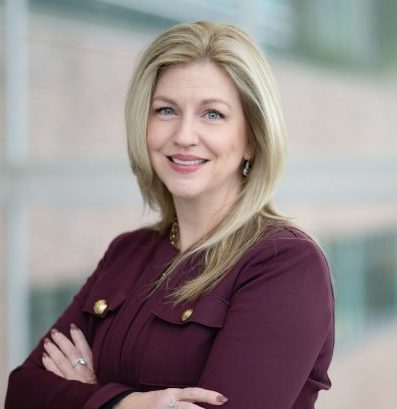
Dr. Debbie Kelly
2025 Canadian Pharmacist of the Year
Dr. Debbie Kelly, 2025 Pharmacist of the Year, shares insights on evolving practice, systemic primary care needs, and empowering pharmacists.
The Canadian Pharmacists Association (CPhA) recently announced Dr. Debbie Kelly as the 2025 Canadian Pharmacist of the Year. Dr. Kelly is recognized for her transformative leadership and her dedication to health equity, particularly through her groundbreaking work in HIV care and sexual health.
In this Q&A, she shares her insights on the evolving scope of pharmacy practice, the systemic changes needed to support primary care, and how the next generation of pharmacists can turn today’s healthcare challenges into tomorrow’s opportunities.
Pharmacy practice has evolved significantly over the past decade. How do you see the role of pharmacists continuing to expand in improving patient care across Canada?
Pharmacist scope continues to expand across the country, both to meet patients’ needs and to better reflect our education, skills and abilities. However, many people are still unaware of our abilities and the evidence supporting improved patient outcomes from pharmacist care, so we have some work to do in this regard. As awareness grows, I anticipate we’ll see pharmacists helping to address care gaps in more areas including chronic disease monitoring and management and in public health and prevention.
As we face the healthcare professional crisis across Canada, we need all providers to be practicing top of scope to best meet patient needs.
Your work has focused heavily on expanding the role of pharmacists in public health, especially in HIV and sexual health care. What inspired you to pursue this path, and how has that shaped your career?
I’ve been working in HIV since the late 1990’s, when drug regimens were complex and patients required a great deal of support to find regimens that worked for them and they could tolerate. Over the past 15-20 years, treatment has gotten so much better, yet we still see people being diagnosed in late stages of infection, which is tragic. Hearing the stories of my patients’ experiences with stigma and care gaps that contributed to delayed diagnoses really got me thinking about other ways pharmacists can make a difference, beyond supporting treatment.
Pharmacists are ideally positioned in lower barrier places where people can access education, prevention and testing – not just for HIV, but for other preventable conditions as well. I really love the work I’m doing in public health now, trying to make a difference at a population level as well as with individuals, to help them stay healthy and make connections with care as needed.
From your perspective, what systemic or policy changes are still needed to fully integrate pharmacists as primary health care providers?
On a systemic level, we have to address the challenges associated with community pharmacists working in a mostly private funding model within a publicly funded healthcare system. This is both an issue for remuneration but also shared information and documentation systems to facilitate care plan and other communication with our healthcare colleagues in community. On a pharmacy level, we have to creatively support pharmacy teams who are overworked and under-resourced while being asked to take on yet more responsibility. More research and supports are needed to find smarter ways to manage pharmacy workflow and practice models that enable integration of primary care functions.
I also think we need to harmonize pharmacist scope across provinces so people in Canada have access to the same care regardless of which province they live in – but that’s a different question!
As a professor and mentor, how do you encourage the next generation of pharmacists to innovate and push boundaries in their own practices?
The ideal starting point is finding a practice in an area that you are passionate about. Creativity often comes easiest in places that get us fired up and I think that’s really important when working in a healthcare system where we have to do more with less, be empathetic to the patients we’re here to look after and protect our own mental health along the way.
We’re going to see challenges and gaps all around us. Approaching situations from the perspective of “what needs to be done or what can help here” to find solutions, as opposed to thinking strictly from the box of “this is what I do” can often lead to new ideas — not all will be feasible, but some will, and that can lead to new ways of doing things. It’s also good to question “why not” when told you can’t do something. Sometimes there’s a good reason that you hadn’t thought of, but times and context are always changing so it’s good to revisit boundaries from time to time, with the goals of improvement and safety in mind.
Looking ahead, what excites you most about the future of pharmacy, and what advice would you give to pharmacists who want to help shape that future?
I believe Einstein said, “In the midst of every crisis lies great opportunity.” This quote sums for me where we are in pharmacy and why it’s an exciting time to be entering this profession. Healthcare is in crisis and pharmacy teams bring a lot to the table to address many challenges. Advocacy, on an individual level with every patient, and on a broader level through professional organizations and in our communities, is how we can have influence. My best advice is to get involved at each of these levels to help shape the profession to be what you want it to be.
