


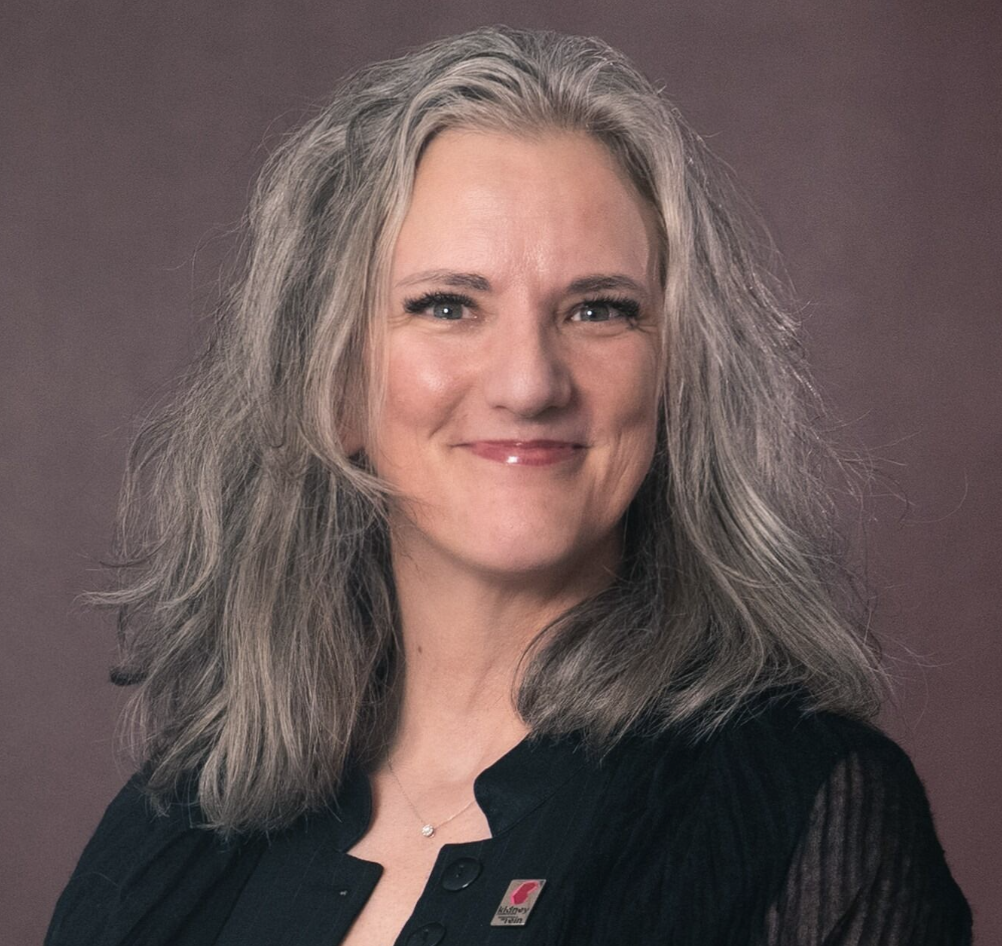
Carrie Thibodeau
National Director of Programs & Public Policy, The Kidney Foundation of Canada
The Kidney Foundation of Canada elevates patient voices to better inform its programs and advocacy.
François-René Dussault, 56, lives with Alport syndrome, a hereditary illness that can lead to kidney failure over time.

“Basically, I did everything,” he says. “I’ve done all the forms of dialysis and gone through two transplants.”
Dussault received his first kidney transplant at age 31 after nearly two years on dialysis. “When my kidneys failed, it was difficult. It’s a grief,” he says. “Although I knew it was coming, living it rather than just thinking it’s going to happen is a totally different experience.”
Two years later, Dussault lost the kidney and had to go back on dialysis before eventually receiving a second transplant.
The impact of kidney disease in Canada
“Chronic kidney disease affects 1 in 10 Canadians — over 4 million people,” says Carrie Thibodeau, National Director of Programs and Public Policy at The Kidney Foundation of Canada. “There is no cure. If the kidneys fail, treatment options are limited to dialysis, kidney transplant, or conservative kidney management.”
Thibodeau notes that early detection is crucial as kidney disease often develops without noticeable symptoms, meaning many people aren’t diagnosed until permanent damage has occurred. “Early detection and timely intervention can slow or stop the progression of kidney disease and improve quality of life,” she says.
Insights and perspectives from people with lived experience of kidney disease meaningfully shape [The Kidney Foundation of Canada’s] priorities, programs, and advocacy.
Through its advocacy work, The Kidney Foundation of Canada strives to improve kidney care nationwide. A key part of that work is elevating patient voices like Dussault’s.
Turning lived experience into advocacy and impact
“Including the voices of people with lived experience is essential,” says Thibodeau. “Perspectives from people with lived experience of kidney disease meaningfully shape our priorities, programs, and advocacy.”
Dussault got involved with The Kidney Foundation of Canada when he was undergoing home hemodialysis and discovered how much water it required. “I noticed my water bills from the City of Ottawa were increasing by five times,” he says. “I was doing my own treatment at home rather than taking up a chair at the hospital. So why did I have to pay for this?”
Dussault went to his city councillor and successfully got a rebate, which was expanded to apply to all home hemodialysis patients. The Kidney Foundation of Canada got in touch, and Dussault began sitting on committees and supporting the peer support program.
Dussault describes turning his experience with kidney disease into something that helps others as rewarding. “Being a lawyer helps with certain issues as well — how to advocate policy issues, and knowing a bit about how the government works,” he adds.
By sharing their experiences, people like Dussault are transforming kidney care and helping build a system that truly reflects their needs.
Find out how you can get involved at kidney.ca.