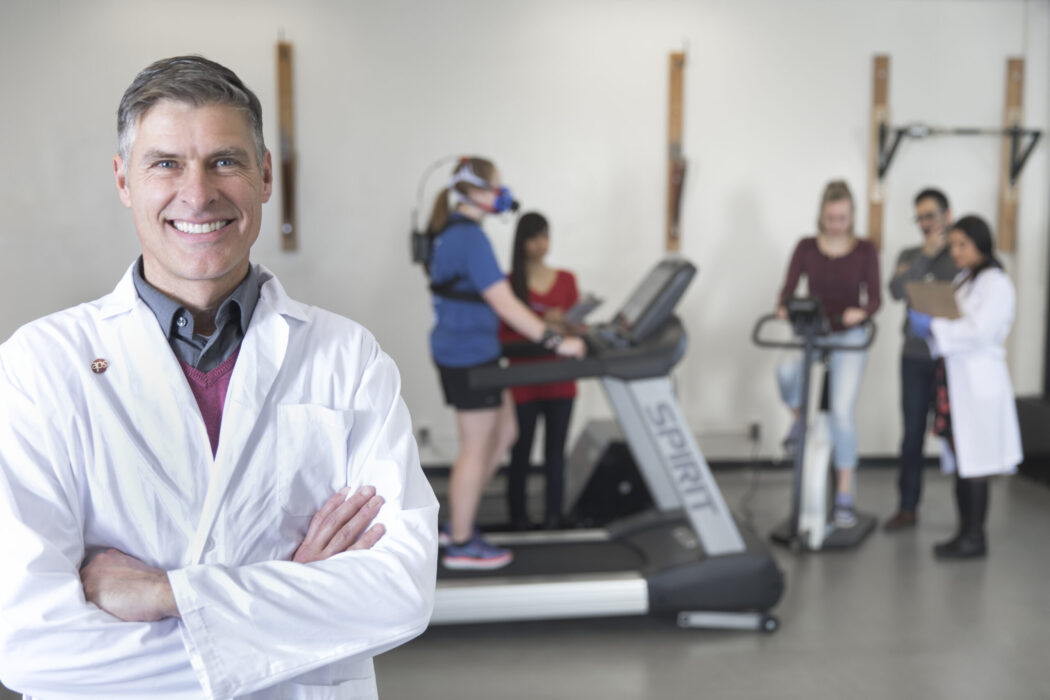


Exercise can increase hypoglycemia risk for people living with type 1 diabetes, but automated insulin delivery systems can help reduce that risk.
For people living with type 1 diabetes, exercise is one of the most powerful tools for long-term health, yet it can also be one of the most challenging. Physical activity improves cardiovascular health, insulin sensitivity, and overall well-being, but it remains a primary cause of hypoglycemia, often creating fear that can discourage people from staying active.
Dr. Michael Riddell, PhD, a professor at York University and internationally recognized expert in exercise physiology and type 1 diabetes, has spent decades advancing research in this field. He explains that managing type 1 diabetes during exercise is uniquely complex because muscle contractions increase glucose uptake. In people without diabetes, the body naturally adjusts to maintain glucose stability during exercise. For those with type 1 diabetes, maintaining that balance often requires careful planning and manual adjustments, and the risk of hypoglycemia can persist for hours afterward.
Automated insulin delivery (AID) systems are helping change that.
Real-time, individualized insulin delivery
By integrating continuous glucose sensing with adaptive algorithms, AID systems such as mylife Loop powered by CamAPS FX dynamically adjust insulin delivery based on real-time glucose levels, daily insulin needs, and individual responses to meals and physical activity.
As Riddell notes, “What’s particularly compelling is the ability to adjust insulin delivery using features like CamAPS FX Ease-off and Boost, while the algorithm continues to learn from individual patterns, such as intensive afternoon training.”
While AID systems do not entirely eliminate exercise-related glucose fluctuations, they provide a sophisticated safety net that can help reduce fear of “lows” and make physical activity more manageable.
For people living with type 1 diabetes, that can mean greater confidence to access the full health benefits of exercise with less burden, helping to shift physical activity from a source of anxiety to a more manageable part of everyday life.
Learn more at www.mylife-diabetescare.com.
Disclaimers: mylife and YpsoPump are registered trademarks of Ypsomed AG in several countries. // CamAPS is a registered trademark of CamDiab Ltd. // Other trademarks and trade names are those of their respective owners.
This information is not a treatment recommendation. Please always discuss the settings for your diabetes management with your diabetes team. For safety information on mentioned products, see Instructions for Use or mylife-diabetescare.com/safety. For specific information about mylife Loop, please contact mylife Diabetescare.