


Kristen Schiener
Registered Holistic Nutritionist & Medical Advisor, Orange Naturals
Iron is essential for growing bodies, yet many kids don’t get enough. Knowing what to look for can make a difference.
As a parent or caregiver, you work hard to keep your child healthy. But growing bodies can sometimes fall short of essential nutrients. Iron deficiency often goes unnoticed because its symptoms are subtle and easily mistaken for other common childhood issues.
Iron is the body’s fuel delivery system. It plays a central role in producing hemoglobin, the protein in red blood cells that carries oxygen from the lungs to every tissue and organ in the body. Without adequate iron, that delivery system slows down — and the effects ripple outward, impacting energy, mood, growth, and learning.
For children in particular, iron is non-negotiable. It supports healthy physical development, helps maintain strong energy levels, and plays a key role in cognitive function. During the rapid growth phases of infancy, toddlerhood, and adolescence, the body’s demand for iron is especially high, making it one of the most commonly depleted nutrients in children worldwide.1
Recognizing low iron in everyday life
- Physical fatigue: Tiring easily during play, getting unusually winded, needing extra rest, or suddenly preferring sedentary activities
- Mood and appetite changes: Uncharacteristic irritability or frustration, frequent emotional outbursts, or a loss of interest in mealtimes, which can further compound nutrient shortfalls over time
- Physical appearance: Paler-than-usual skin (especially the face or inner eyelids) and persistently cold hands and feet, even in warm environments
- Academic and developmental impacts: Difficulty concentrating in school, reduced stamina for learning tasks, or lagging behind peers academically or physically
Understanding and addressing low iron
Low iron in children is common, and it’s rarely the result of something a caregiver has done wrong. Growing bodies have high nutritional demands, and iron is a hard nutrient to reliably supply through food alone. Picky eating — a perfectly normal phase for many children — can make things harder if iron-rich foods like meat, legumes, or leafy greens are frequently declined.
Supporting healthy iron levels can make a meaningful difference in a child’s energy, mood, and development.
If any of the above sounds familiar, the most important first step is to consult your child’s health care provider. Depending on the severity of any deficiency, they may recommend dietary adjustments, addressing any underlying contributing factors, or the addition of a daily iron supplement.
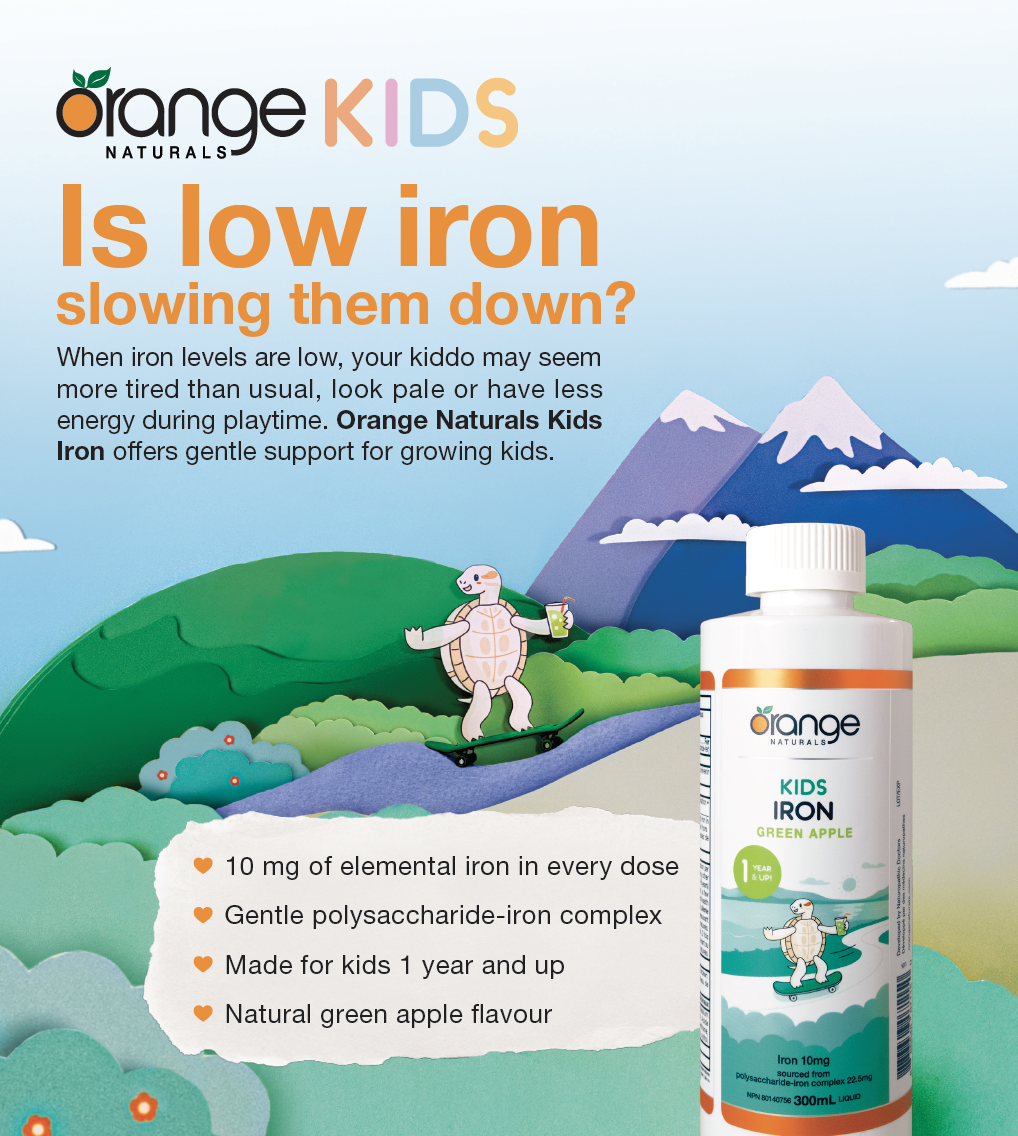
Traditional iron supplements based on iron salts are well-known for causing digestive upset, including constipation, nausea, and stomach cramping. A gentler alternative is iron in a polysaccharide iron complex (PIC) form. Unlike iron salts, iron supplements in PIC form can effectively replenish iron stores without the harsh stomach side effects.
Supporting healthy iron levels can make a meaningful difference in a child’s energy, mood, and development. If you’re unsure whether your child is getting enough iron, a health care provider can help guide the next steps.
REFERENCES:
To learn more about gentle PIC iron supplements designed to support healthy iron levels, visit orangenaturals.com/kids.