Jennifer Milburn
Executive Director, Newborn Screening Ontario
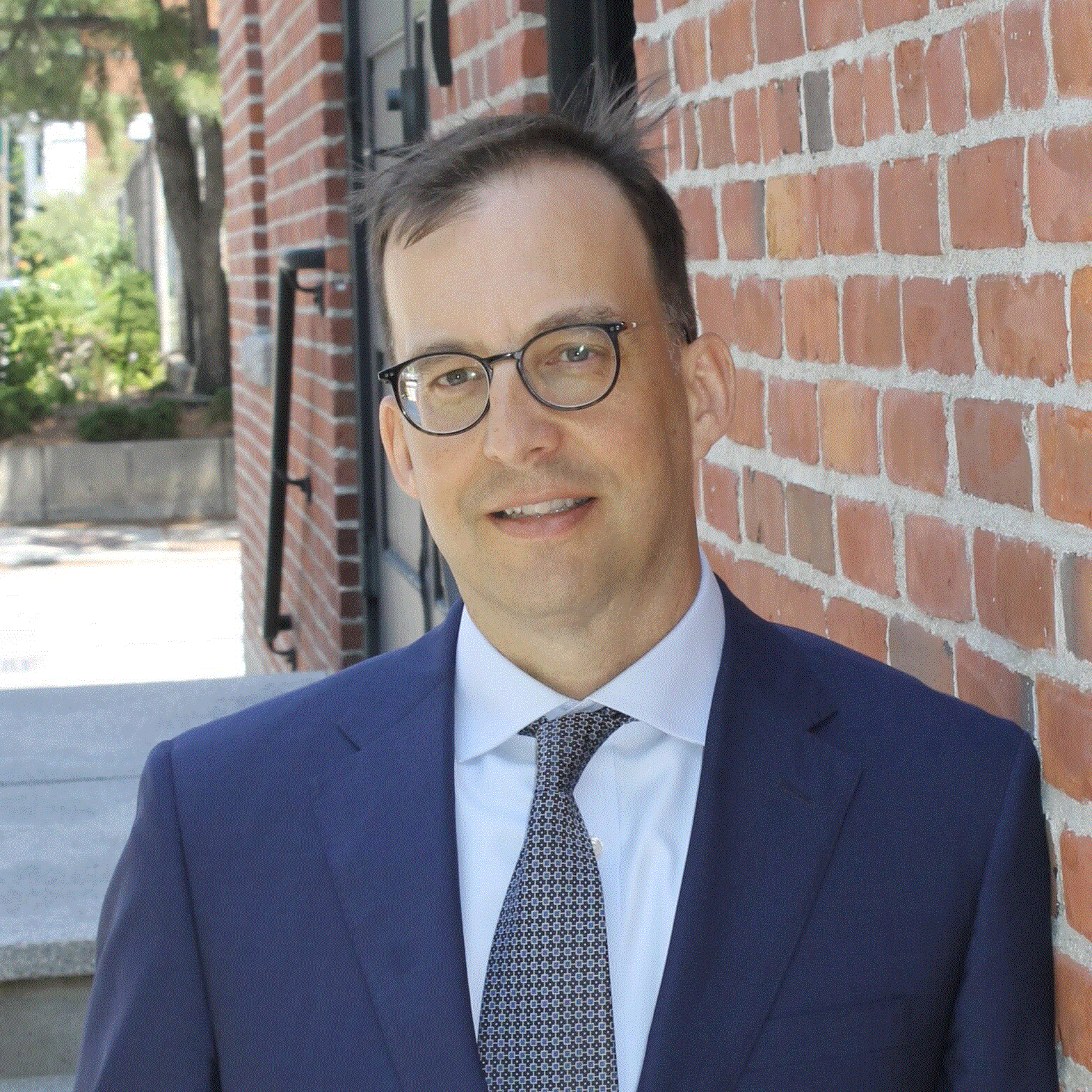
Dr. Neal Sondheimer
Medical Director,Newborn Screening Ontario
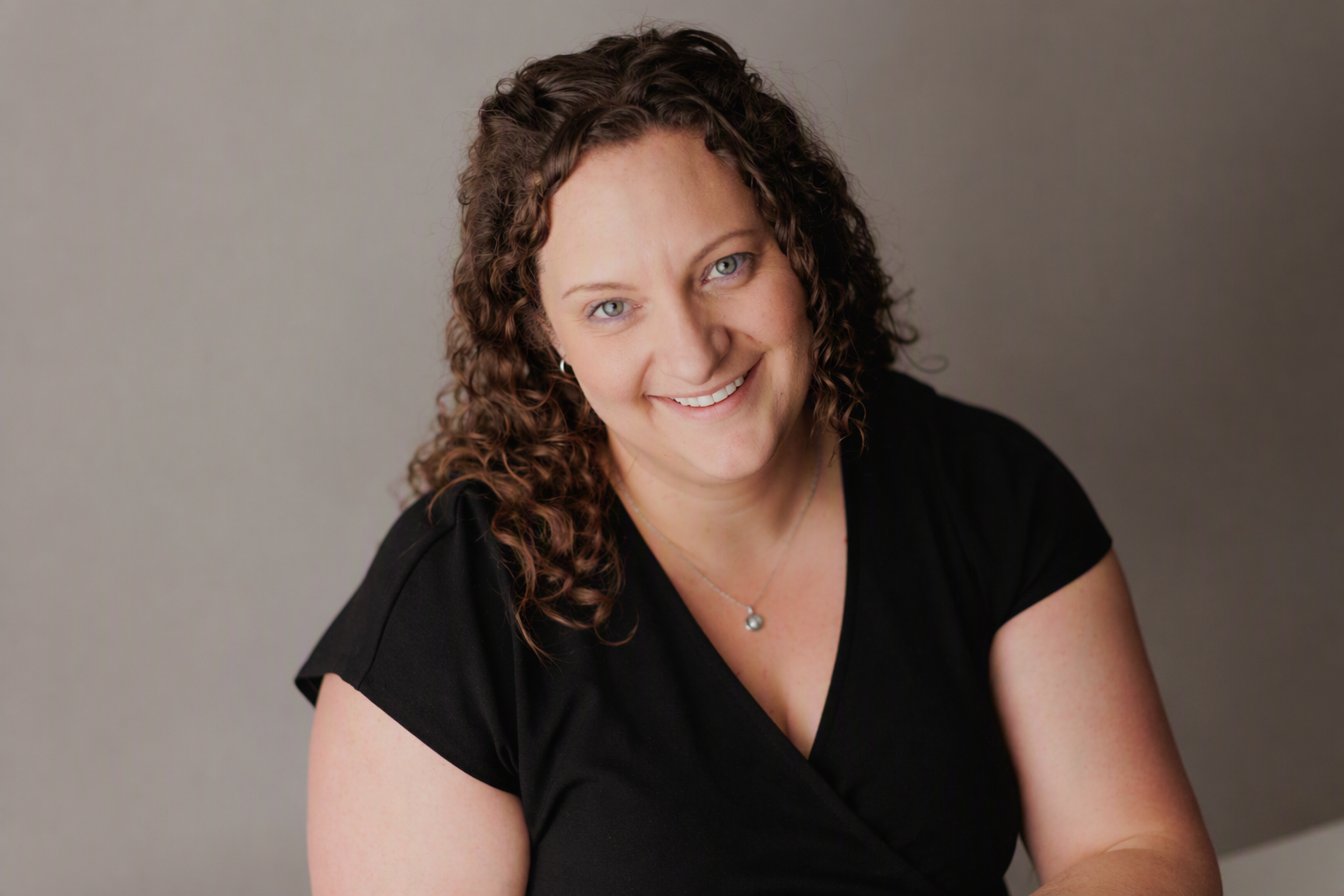
Dr. Kristin Kernohan
Molecular Laboratory Head, Newborn Screening Ontario & Principal Investigator, INFANT Study
Newborn Screening Ontario and the INFANT Study are advancing early detection and inviting eligible Ontario families to participate in innovative research.
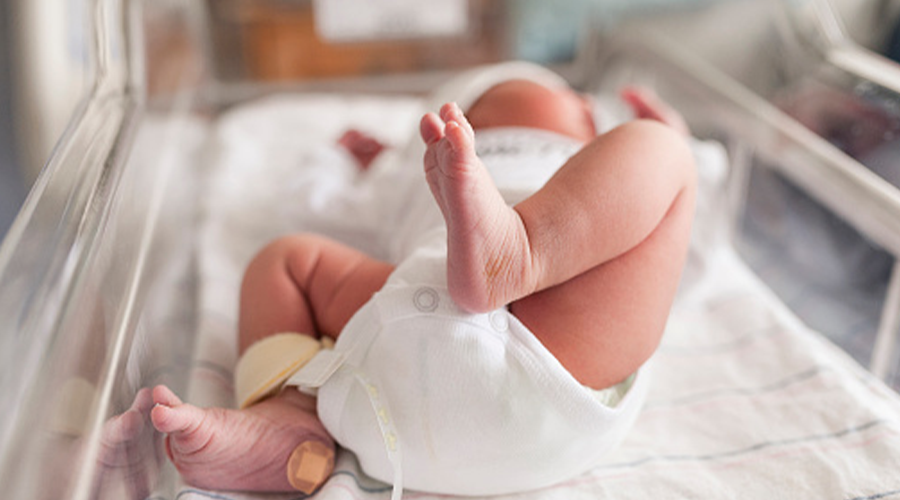
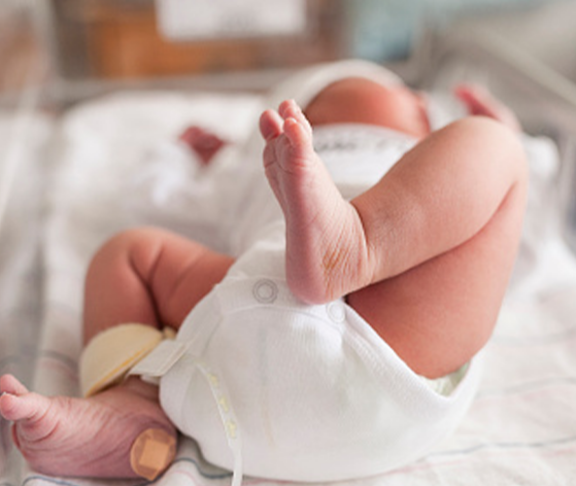
Newborn screening is performed on babies shortly after birth to check for rare, treatable health conditions.
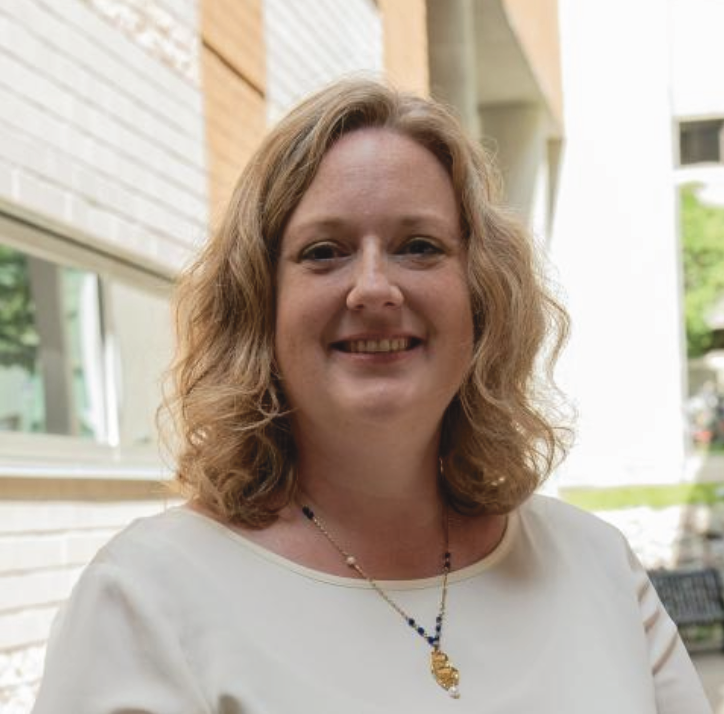
“Newborn screening detects diseases that can’t be picked up in other ways,” says Jennifer Milburn, Executive Director of Newborn Screening Ontario (NSO), Ontario’s newborn screening program. “Babies are born and they may look healthy and not have any family history of these diseases. The best way to identify whether there’s a problem is to perform newborn screening.”
“Treatment needs to be given before symptoms start,” says Dr. Neal Sondheimer, NSO’s Medical Director. “Waiting until a child develops symptoms leads to worse outcomes than starting to treat them before any symptoms emerge.”
Dr. Sondheimer explains that newborn screening is also important due to the “diagnostic odyssey” families go through. “Having information early on to tell you what’s going to lie ahead prepares you for challenges and gets rid of the frightening experience of not knowing what’s wrong with your child,” he says.
20 years of trusted leadership
Newborn screening began in Ontario in 1965 by Public Health Ontario. Responsibility for newborn screening moved to NSO, located at the Children’s Hospital of Eastern Ontario (CHEO), in 2006. In that year, screening expanded from two conditions to over 20. Today, the number is approximately 30. Over the past 20 years, NSO has been a leader in expanding access to innovative screening and improving outcomes for families across Ontario.
NSO coordinates newborn screening across Ontario, conducting laboratory testing, managing referrals, and tracking quality and follow-up.
“These are rare diseases, and most people will never hear from us again after that sample gets tested,” says Milburn. “But for those families that are affected, it’s life-changing and life-saving.”
How the INFANT Study is Expanding Screening using Advanced Genetic Technologies
Today, NSO and the CHEO Research Institute are running the INFANT Study, an innovative genomic sequencing screening pilot that’s a first in Canada.

Standard newborn screening uses a few drops of blood from a baby’s heel to measure things like hormones and enzymes. Genomic newborn screening uses that same blood sample to screen for many more treatable health conditions — over 200, in the study — by checking a baby’s DNA. The INFANT Study is conducted after and separately from standard newborn screening, and doesn’t require a new sample.
“We haven’t had a technology that would allow us to test for this many disorders in the past,” says Dr. Kristin Kernohan, Molecular Laboratory Head for NSO and Principal Investigator for the INFANT Study. “This would allow us to offer screening for hundreds of new diseases as treatments become available.”
Participating in the INFANT Study
The INFANT Study is a voluntary research study and is not currently part of Ontario’s standard public health screening program. Eligible Ontario families are invited to participate at no cost. Babies must have completed standard newborn screening and be under six months old.
“The larger picture going forward is to provide evidence that this can be done on a population scale and in a way that is respectful of patients and their families and economically feasible,” says Dr. Sondheimer, who also serves as the study’s site lead.
Q&A:
How Early Detection Gave One Family Hope
Mediaplanet spoke with Rebecca, an Ontario mother of two whose younger daughter was identified with spinal muscular atrophy (SMA) through newborn screening.
What did you know about newborn screening before your daughter was born?
I didn’t know anything about the process. We had a daughter two years prior and I wasn’t aware of the vast array of screening that NSO offered.
What difference did identifying her condition early make?
It made a world of difference. Within the first month of her life, our daughter was given a one-time gene therapy that completely changed the trajectory of her life. Without this early intervention, she might not have been able to walk, swallow her food normally, or even live past the age of two. In fact, she has developed so normally that no one has ever questioned her abilities, only commenting on her strength and resiliency.
What did having information and answers early mean to you as a parent?
It meant everything. It began as a jarring experience, but within days, we felt at ease knowing that her early intervention was going to give us hope and a future.
What would you want new and expecting parents to know?
NSO is a blessing. We are forever grateful for early intervention.
Learn more about newborn screening and its benefits at newbornscreening.on.ca and visit infantstudy.mygeneticsadviser.com to enrol in the INFANT Study.