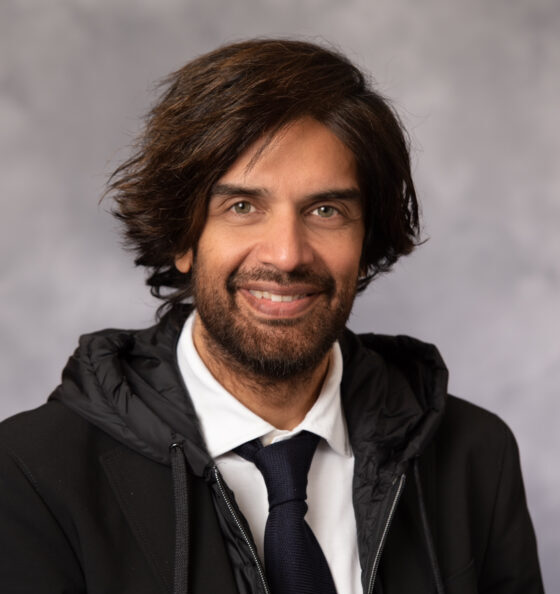
Dr. Ike Ahmed
Chief Innovation Officer, Prism Eye Institute, Oakville, Ontario
Staff Ophthalmologist, Trillium Health Partners, Mississauga, Ontario
Director, Glaucoma and Advanced Anterior Segment Fellowship, UofT
As one of Canada’s leading complex eye surgeons, Dr. Ike Ahmed has spent his career advancing the treatment of glaucoma and other sight-threatening conditions. In this conversation, he shares what Canadians need to know about protecting their vision at every stage of life.
Q: As one of Canada’s leading complex eye surgeons, what is the most urgent message Canadians need to hear about protecting their vision?
Dr. Ahmed: The most important message is simple: get your eyes checked. Many serious eye conditions have no early symptoms. In children, for example, “lazy eye” can often be corrected if caught early, typically before age eight. If missed, it can become permanent and affect driving, career choices, and quality of life. I recommend children have their first eye exam around ages two to three, and then regularly after that.
For adults, especially over 40, comprehensive eye exams are critical. Diseases like glaucoma, macular degeneration, and diabetic retinopathy can quietly cause irreversible damage before you notice a problem. The only way to detect them early is through a full exam that looks at the health of the eye from front to back.
Q: Many people think vision loss is just part of aging. Are there warning signs they shouldn’t ignore?
Dr. Ahmed: The challenge is that many conditions don’t have obvious warning signs. That’s why routine exams matter so much. Of course, if you notice blurry vision, dark spots, flashing lights, or sudden changes, you should seek care right away. People with diabetes, a family history of glaucoma or macular degeneration, or high levels of nearsightedness should be especially vigilant. Lifestyle also plays a role, smoking, poor diet, and lack of exercise increase risk.
Q: You’ve helped shape how glaucoma is treated. What should Canadians understand about it?
Dr. Ahmed: Glaucoma is often called the “silent thief of sight.” It gradually damages the optic nerve, usually without pain or noticeable symptoms, until vision loss is advanced. About one in 50 people over 40 are affected. The good news is that we now have excellent diagnostic tools to detect it early, and less invasive treatments, including lasers and micro-surgical devices, that can preserve vision for life if started soon enough.
Q: What advancements in vision care excite you most?
Dr. Ahmed: We’ve seen tremendous progress in vision correction. Modern cataract surgery is highly standardized and safe, and new lens implants can provide clearer vision than patients have ever had before. There are also new options for presbyopia, the need for reading glasses, including drops, laser treatments, and implants. Much of what was once strictly medical has become life-changing from a lifestyle perspective.
Q: With so much screen time, how can Canadians reduce eye strain?
Dr. Ahmed: Follow the 10-10-10 rule: every 10 minutes, look at something at least 10 feet away for 10 seconds. This allows eye muscles to relax and helps prevent dryness and strain. Adjust screen distance and font size, take regular breaks, and limit evening screen use to support sleep.
Q: What gives you hope about the future of eye health in Canada?
Dr. Ahmed: Digital health and artificial intelligence are opening new doors. We’re exploring ways to detect disease earlier using technology, including at-home monitoring tools and genetic testing to assess risk. Research, collaboration, and patient education are advancing quickly. With the right awareness and preventative care, we have more power than ever to protect sight for a lifetime.