Health Insight
ALS Canada-supported research helped pave the way for the first Health Canada-approved treatment for a genetic form of ALS.
Amyotrophic lateral sclerosis (ALS) is a progressive neurological disease that causes motor neuron degeneration, leading to paralysis and, ultimately, death. An estimated 4,000 Canadians are currently living with ALS, and 80 per cent of patients die within two to five years of diagnosis.
Fortunately, the first signs of significant progress in ALS treatment are here. Donor-funded research through ALS Canada is advancing understanding of the disease and driving major advances. For many years, the ALS Canada national Research Program has supported research that contributed to the discovery of the SOD1 gene — one of the genetic causes of ALS — and continued to fund work that deepened our understanding of SOD1 biology. This foundational research helped pave the way for the development of Qalsody, the first Health Canada-approved treatment for SOD1-ALS.
We finally have hope that if we start treatment early enough, there’s a chance this drug can stop the disease from progressing.
“This is a huge advancement,” says David Taylor, Chief Scientific Officer at ALS Canada. “For the first time, we’ve seen that if we hit the right target in the right people at the right time, we can treat ALS.”
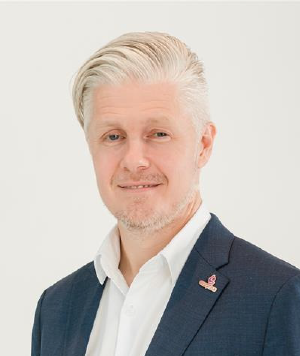
David Taylor
Chief Scientific Officer,
ALS Canada
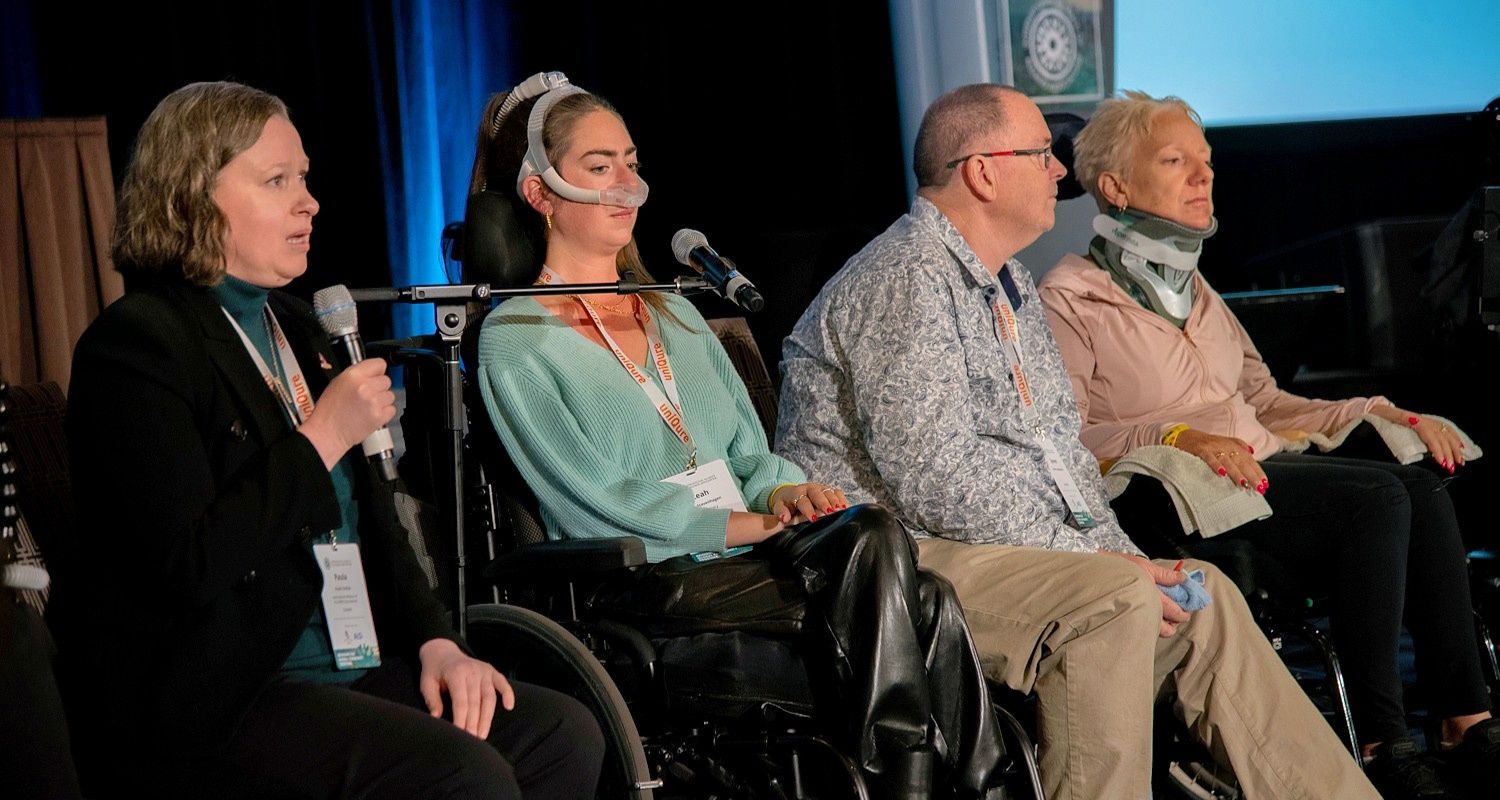
Qalsody is already making a difference for people living with ALS, including Paula Trefiak, an ALS Canada Community Ambassador. “We finally have hope that if we get diagnosed and start treatment early enough, there’s a chance this drug can stop the disease from progressing,” she says.
This is why research funding is vital — it unlocks our understanding of the disease and paves the way for future treatments.
Donate today to support ALS Canada’s research efforts at als.ca.