 Health Insight
In this issue
-

How Individualized Care Is Improving Outcomes for People with AML
An AML diagnosis can be devastating, but biomarker testing is bringing hope to patients by helping to guide more personalized treatment. Acute myeloid leukemia, or AML is a cancer of the blood and bone marrow and progresses rapidly if untreated. While it’s the most common type of acute leukemia in adults, AML is relatively rare....
-

How Innovation Could Ease the Pressure on Canada’s Plasma Supply
With Canada struggling to meet immunoglobulin self-sufficiency targets, coordinated policies that expand plasma collection while supporting appropriate non-plasma treatment options are critical. Immunoglobulin is an essential component of the immune system that can be derived from donated human plasma and used to treat a range of immune, blood, and neurological conditions. It’s delivered to patients...
-
Beyond Survival: Rethinking Care for a New Era of Multiple Myeloma
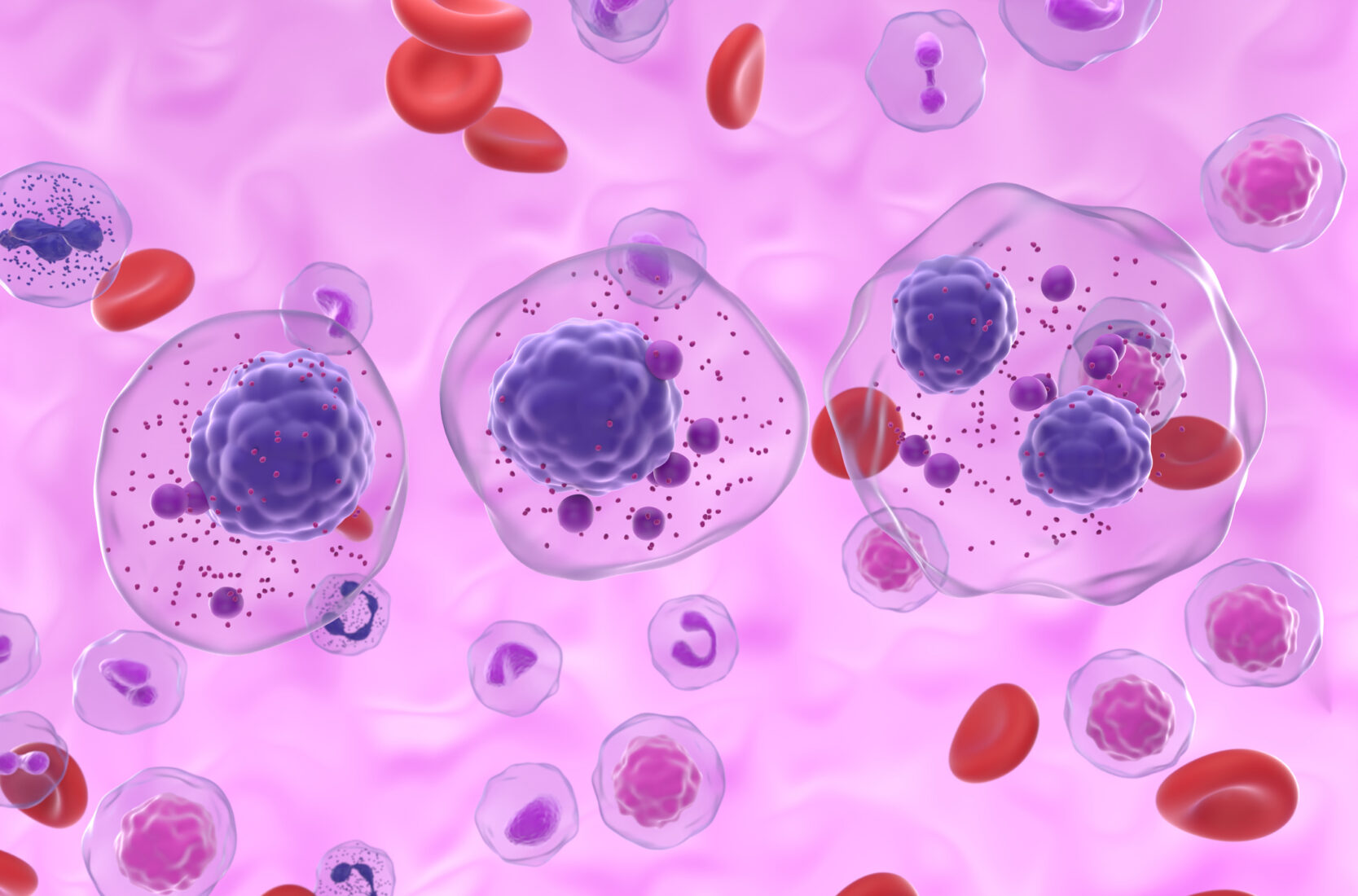
While patients with multiple myeloma are living longer than ever thanks to innovation, the challenge now is delivering care that fits into patients’ lives and today’s busy clinics over the long term. Multiple myeloma is a rare, complex blood cancer that affects the plasma cells, which produce antibodies for the immune system. It is typically...
-

s Sponsored
From Victim to Voice to Impact
In the aftermath of Canada’s tainted-blood tragedy, people with hemophilia, transfusion recipients and their families were often described as victims. I came into that community as a volunteer advocate with the Canadian Hemophilia Society—not as a patient, but as someone working alongside those whose lives had been directly affected. I remain deeply grateful to that...
-

Strengthening Canada’s Blood System Through Collaboration, Innovation and Equitable Access
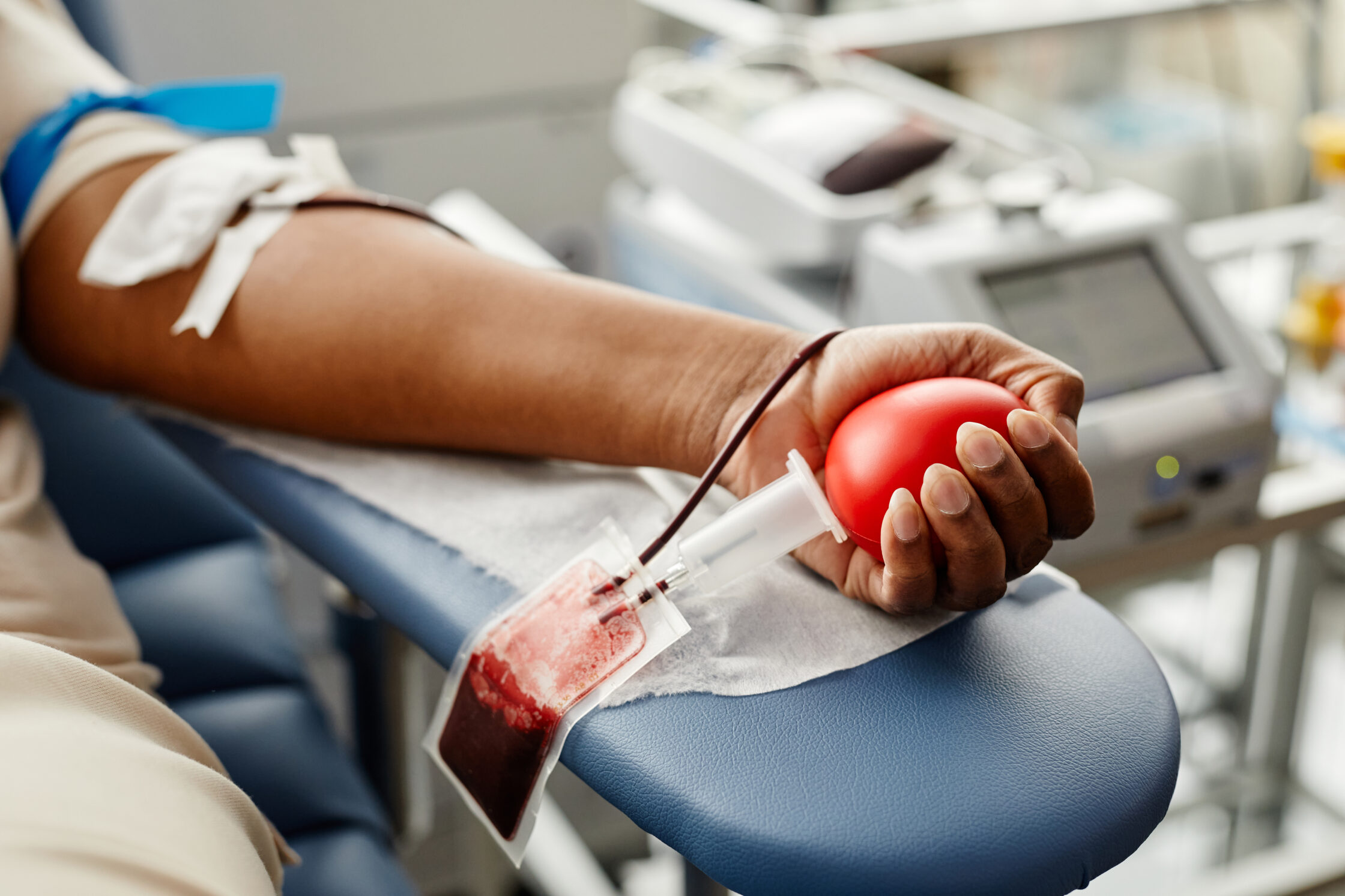
Canada’s blood system relies on collaboration across governments, blood operators, healthcare partners and researchers. Federal investments in system resilience, rare disease access, research and innovation are helping strengthen the system and support better outcomes for Canadians living with blood disorders. Health Canada is responsible for administering the Blood Regulations for blood system safety and the...
-

Sickle Cell, a Blood-Health Issue
The Need for Blood for Sickle Cell More than 6,500 people in Canada live with sickle cell disease, a severe, inherited blood disorder that causes stroke, organ damage, excruciating pain and shortened life expectancy. For many, donated blood is not simply supportive care—it is lifesaving treatment. But here is the problem: Canada does not have...