

AI could help families navigate autism supports if Autistic people and families help shape what comes next.
Accessibility is often discussed through physical spaces, broad disability inclusion, or research innovation. Autism brings a different systems challenge: fragmented services, long waits, inconsistent pathways, sensory and communication barriers, and lifelong supports across health care, education, employment, housing, and community life.
For many in the autism community, the issue isn’t whether services exist. It’s whether they can be found, understood, accessed, and sustained.
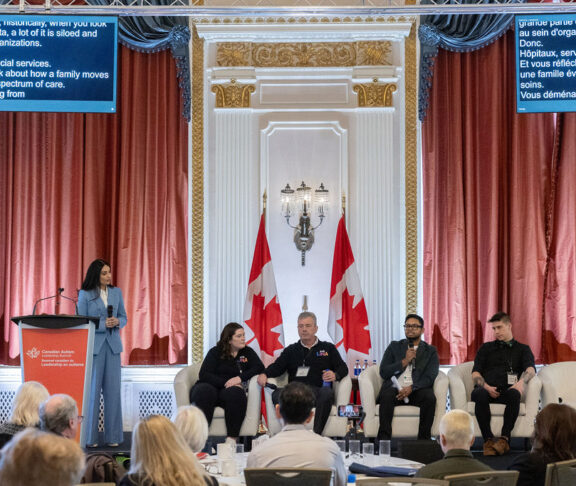
As Canada moves from the release of the Autism Strategy to implementation, national leadership matters. At the Canadian Autism Leadership Summit 2026, Autism Alliance of Canada convened Canada’s first AI and Autism Symposium, bringing together Autistic people, families, researchers, technology experts, clinical leaders, policymakers, service providers, and sector leaders.
From innovation to navigation
The message was clear: AI should not be built for communities without communities. Families need tools that reduce burden. Governments and providers need better safeguards and accountability.
The Alliance provides national leadership to connect issues relevant to the sector with the right people to advance practical solutions for Autistic people and families. It’s helping Canada turn emerging technology into practical systems change, grounded in lived experience. With the right investment, Canada can build AI-enabled supports that are inclusive, navigable, and accountable.
Autism Accessibility Requires:
- Better navigation for families
- Autistic leadership and family insight
- Supports for higher and complex needs
- Accountable use of AI and data
- National coordination across systems
Learn more or donate at autismalliance.ca to help turn innovative ideas and community insight into practical change for Autistic people and families.