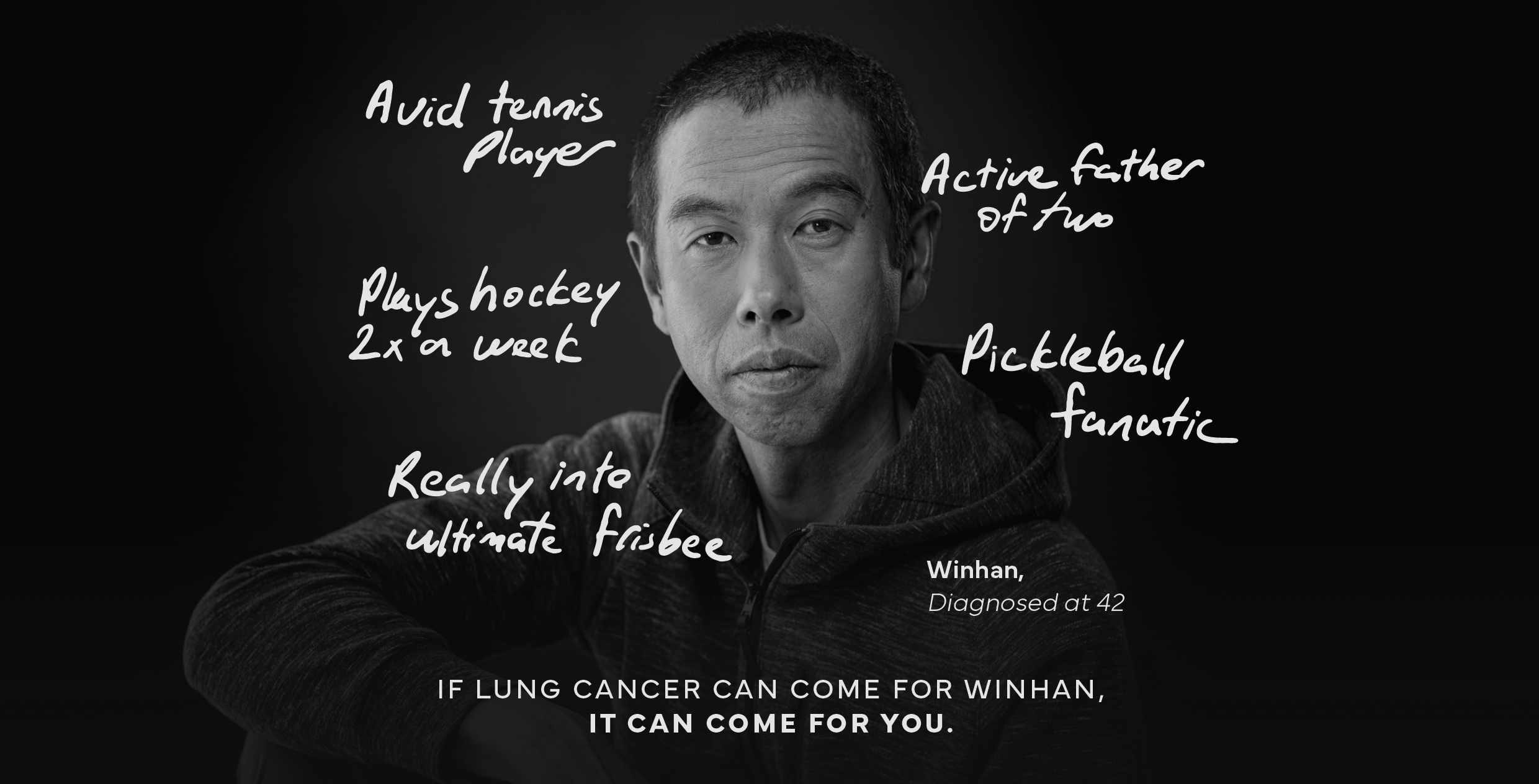
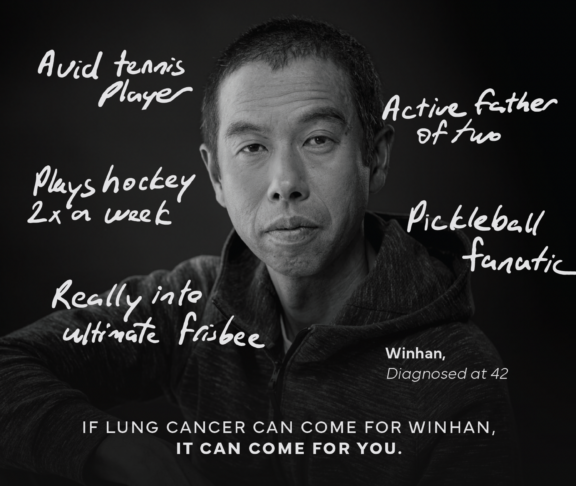
At 42, Winhan was raising two children and living an active life filled with tennis, hockey, pickleball and ultimate Frisbee.
Then he was diagnosed with lung cancer.
His story is not important because it is unusual. It is important because it reveals how easily lung cancer can fall outside what many of us expect, and how dangerous those expectations can be.
Lung cancer does not always announce itself dramatically. Its symptoms can be subtle, resemble common illnesses or be explained away as part of a busy life. A cough may linger after a cold. Shortness of breath may develop gradually. Fatigue, chest discomfort or recurring respiratory infections may not immediately appear serious.
But when a change persists, we need to pay attention.
Lung cancer remains the leading cause of cancer death in Canada. Yet awareness has not kept pace with the enormous impact of the disease. Recognizing possible symptoms, understanding screening options and knowing that treatments continue to advance can help people seek medical care when it matters most. Lung Cancer Canada advises anyone with a cough lasting more than three weeks to speak with a healthcare professional.
This is not a call to assume that every cough is cancer. It is a call to stop dismissing persistent changes simply because lung cancer was not the first explanation that came to mind.
It is also a call to change the conversation surrounding the disease.
Lung cancer has long carried a burden of stigma that other cancers largely do not. Too often, a diagnosis is followed by questions about what may have caused it. Tobacco exposure is an important risk factor, but it is not the whole story. Some people diagnosed with lung cancer have smoked. Some have not. Other environmental, occupational and biological factors may contribute. And in some cases, we simply do not know why one person develops lung cancer and another does not.
What should never be in question is whether someone deserves our compassion.
A cancer diagnosis is not a moral judgment. No one should have to explain or defend how they became ill before receiving empathy, timely investigation and high-quality care. Searching for someone to blame does nothing to help the person who has just learned that their life has changed.
That is the thinking behind Lung Cancer Canada’s new campaign, Lung Cancer Doesn’t Care. Make Sure You Do.
Featuring Winhan and other Canadians affected by lung cancer, the campaign asks us to do more than notice an advertisement. It asks us to pay attention to our health, to take persistent symptoms seriously and to reconsider the assumptions we may carry about the disease.
It also asks more of our healthcare system. Patients need to feel heard when they report symptoms that are new, unexplained or not improving. Healthcare professionals need the information, resources and pathways required to investigate concerns promptly. And Canadians who are eligible for lung cancer screening need to know that these programs exist and how to access them.
Winhan is more than his diagnosis. He is a father, athlete, teammate and friend. His life was full before lung cancer entered it, and it remains full now.
The same is true of every person facing this disease.
Lung cancer may not care who someone is, what they had planned or how much they are loved. But the rest of us have a choice.
We can pay attention. We can act sooner. We can replace judgment with compassion. And we can make sure that every person affected by lung cancer is seen, heard and supported.
Lung Cancer Doesn’t Care. Make Sure You Do.
Learn more at lungcancerdoesntcare.ca