
Dr. Christina Canil
Medical Oncologist at The Ottawa Hospital Cancer Centre, Associate Professor Medicine at the University of Ottawa
An age-related health diagnosis can feel insurmountable in the moment, but with a growing number of treatment options available for many conditions, Canadians are able to enjoy experiences and build lasting memories long into their later years. However, finding the right treatment for each unique health journey is not just an important part of the diagnostic process, but critical to maintaining a patient’s ideal lifestyle.
Bladder cancer is one such disease, with the risk of developing the cancer increasing with age and most commonly affecting Canadians over 50. Over 80,000 Canadians are currently living with bladder cancer, making it the fifth most common cancer in Canada. While men continue to be most at-risk of developing bladder cancer, the instances of women being diagnosed has increased. Over 13,000 more Canadians will be diagnosed with bladder cancer this year alone and the recurrence rate is particularly high at 60-70%. Identifying the best treatment isn’t just critical to stopping the progression of the disease, but choosing the right treatment for each individual patient can help in reducing the likelihood of recurrence.
UNDERSTANDING THE DIAGNOSIS
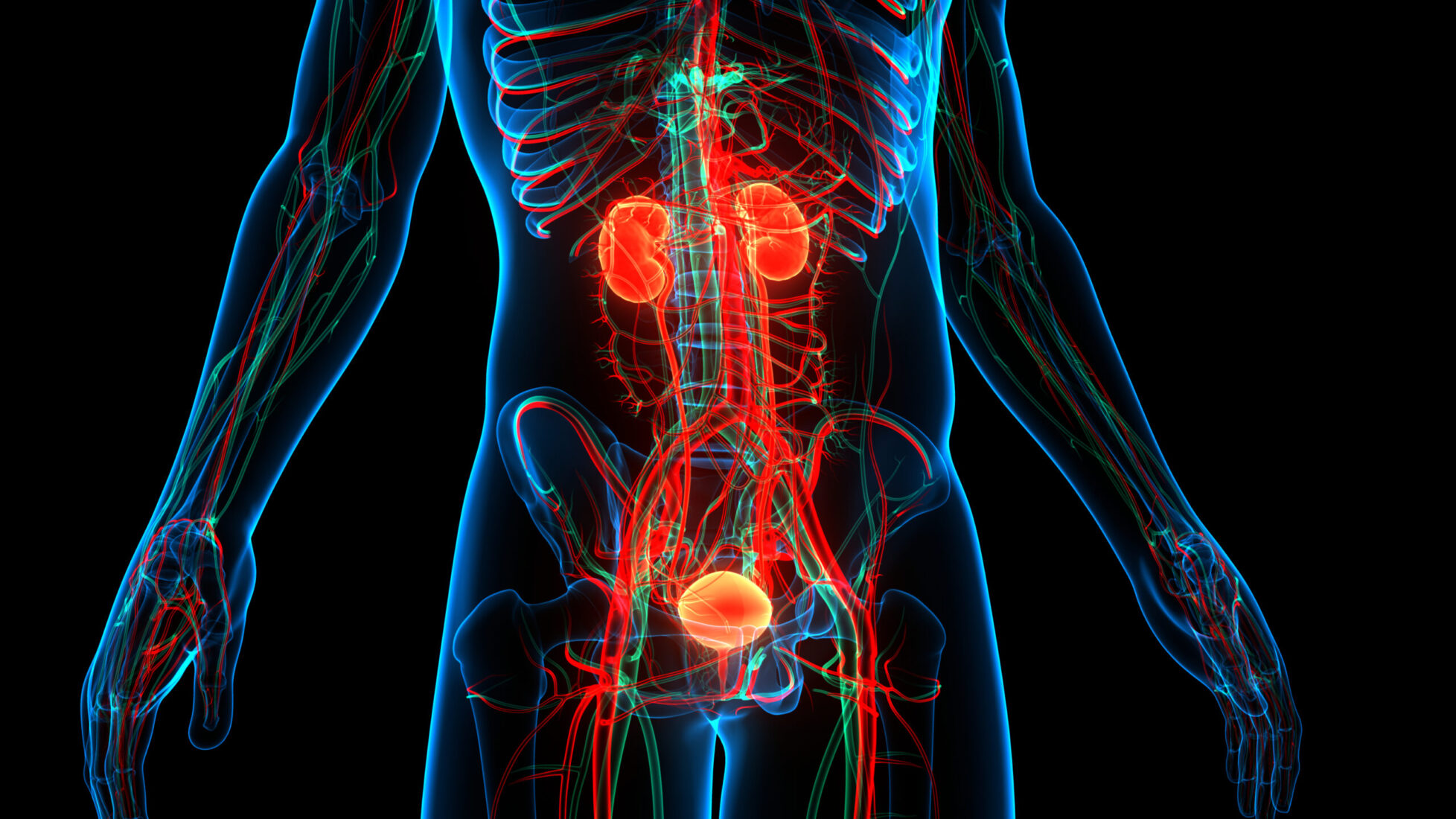
Bladder cancer occurs when abnormal cells in the bladder create tumours in either the bladder’s inner lining, known as non-muscle invasive bladder cancer, or deeper within the muscles of the bladder’s wall, muscle-invasive bladder cancer. The further the disease progresses, the deeper tumours can develop and the harder, more invasive treatment becomes.
Blood in the urine is often the most common symptom in bladder cancer patients, but other symptoms can include increased frequency of urination, urinary urgency, painful urination or abdominal/pelvic discomfort.
When diagnosed, many patients will defer to their physician or oncologist to guide them through their treatment options, not fully understanding the impact these treatments and their associated side effects can have on life post-diagnosis. While every patient’s cancer is unique, recent developments in the field mean a wider availability of effective bladder cancer treatment options, enabling patients to find a balance between effective treatment and side effects that ultimately give them the best chance of maintaining their desired post-cancer lifestyle.
FINDING THE RIGHT BALANCE
Dr. Christina Canil is a medical oncologist with The Ottawa Hospital Cancer Centre and an Associate Professor Medicine at the University of Ottawa. Having specialized in urothelial and genitourinary cancers for over 22 years, she is an expert when it comes to bladder cancer and an advocate for patients better understanding their treatment options.
Mediaplanet: Do some bladder cancer treatments have broader impacts on a patient’s quality-of-life?
Dr Canil: Recommended treatments are specific to each patient’s situation, from the extent of their cancer through to their personal health and comorbidities. Treatments for bladder cancer may include intravesical treatments, surgery, radiation, chemotherapy, immunotherapy, and targeted therapies. Each treatment option has its own set of associated side effects and some people may find specific side effects affect their quality of life more than others.
Why should patients talk to their Oncology team about their treatment options?
It is important for patients to have the information required to be able to understand and discuss their treatment options with their oncology team and be involved in shared decision-making to identify the therapy that is best for their situation, goals of care and eventual outcome and lifestyle goals.
How can patients prepare for that conversation with their oncology team?
Write down a list of questions: What type of cancer do I have? What is the stage or extent of the cancer? What are the treatment options? What is the effectiveness of these treatments? What are the side effects? etc
Patients also need to identify what is most important for them regarding potential treatment. Do they want to prioritize their best chance of treating or eradicating the cancer, or are they more concerned about their quality-of-life?
Bring another person to your appointment – an extra set of eyes and ears are helpful, not to mention, some additional support. Patients may be overwhelmed with the amount of information they receive and it is hard to remember it all.
A bladder cancer diagnosis can be the start of a vulnerable, scary time, but by better equipping themselves with treatment knowledge and general goals, patients can better advocate for themselves throughout their bladder cancer journey.
Bladder Cancer Canada is a Canadian advocacy group that provides information and peer support for patients diagnosed with bladder cancer. Their “Know Me” questionnaire is designed to help patients prepare for a conversation with their physician on their treatment goals and what matters most to them, because bladder cancer shouldn’t define anyone’s future.
To learn more about bladder cancer and explore what questions to ask your physician, see Bladder Cancer Canada’s Know Me campaign.
This article was made possible with support from EMD Serono.