Breast cancer screening recommendations are largely-age based, but individual risk matters. Here’s why—and what we’re doing about it.
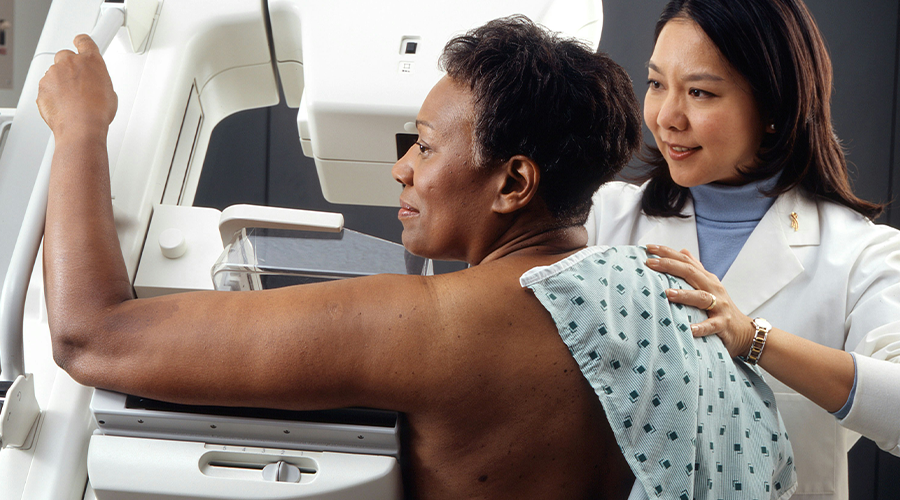
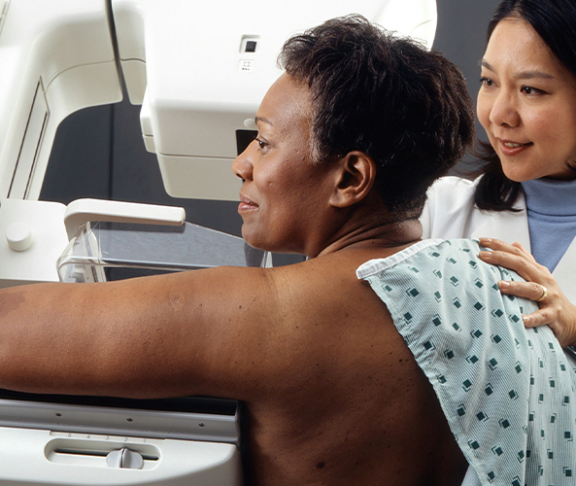
When should you get screened for breast cancer? In Canada, the answer is “it depends.” Breast cancer screening protocols have traditionally been based on age. Typically, it has been recommended that women (and anyone assigned female at birth) over the age of 50 receive a mammogram every two years. These recommendations apply to those at average risk of developing breast cancer. But this isn’t always enough.
With breast cancer screening, risk level matters
For anyone with breast tissue, including men, there is some risk of developing breast cancer. This is what we refer to as average risk. But there are factors that increase a person’s likelihood of developing the disease. A personal or family history of breast cancer or gene mutations like BRCA1 and BRCA2 can contribute to elevated or high risk. There is also a strong connection between these risk factors and early-onset breast cancer (a diagnosis between the ages of 18 and 49, well before the recommended screening age of 50).
Another trait that can contribute to elevated or high risk of breast cancer is having dense breasts. Breast density can be influenced by many factors, and are more common among younger women, people using hormone replacement therapy, and those with a lower body mass index (BMI).
The high cost of inconsistent screening guidelines
Unfortunately, screening guidelines based primarily on age do not cover those at high or elevated risk. For these cases, provinces and territories currently rely on their own guidelines that vary significantly from region to region. This means that where you live in Canada can affect when screening begins, the risk level you are assigned, how often you are screened, and what screening methods are available to you. This means that two people with the same risk factors living in different provinces may experience very different screening pathways.
Appropriate screening ensures people with elevated or high risk of breast cancer have a better chance of finding and treating this disease.
The cost of these inconsistencies is too high to ignore. Early detection is one of the greatest predictors for breast cancer survival. Appropriate screening can improve the chances people with elevated or high risk of breast cancer have a better chance of finding and treating this disease. Those chances should not be determined by your postal code.
Getting the breast cancer screening you need and deserve
The Canadian Breast Cancer Network is advocating for Canada to launch a national guideline for risk-stratified breast cancer screening. These guidelines would give all provinces and territories consistent definitions for average, elevated, and high risk, along with clear recommendations on screening methods and timelines for each risk level. With a national guideline based on risk, we could ensure that everyone across Canada has access to potentially life-saving screening.
While it may be some time before Canada develops and launches a risk-based breast cancer screening guideline, we can still be proactive about our own breast health. You can use breast cancer risk assessment tools to help understand your individual risk level. Conversations with your doctor about your risk level and screening options are also a great place to start.
To learn how you can add your voice to the call for national breast cancer screening guidelines based on risk, have a look at our advocacy guide.