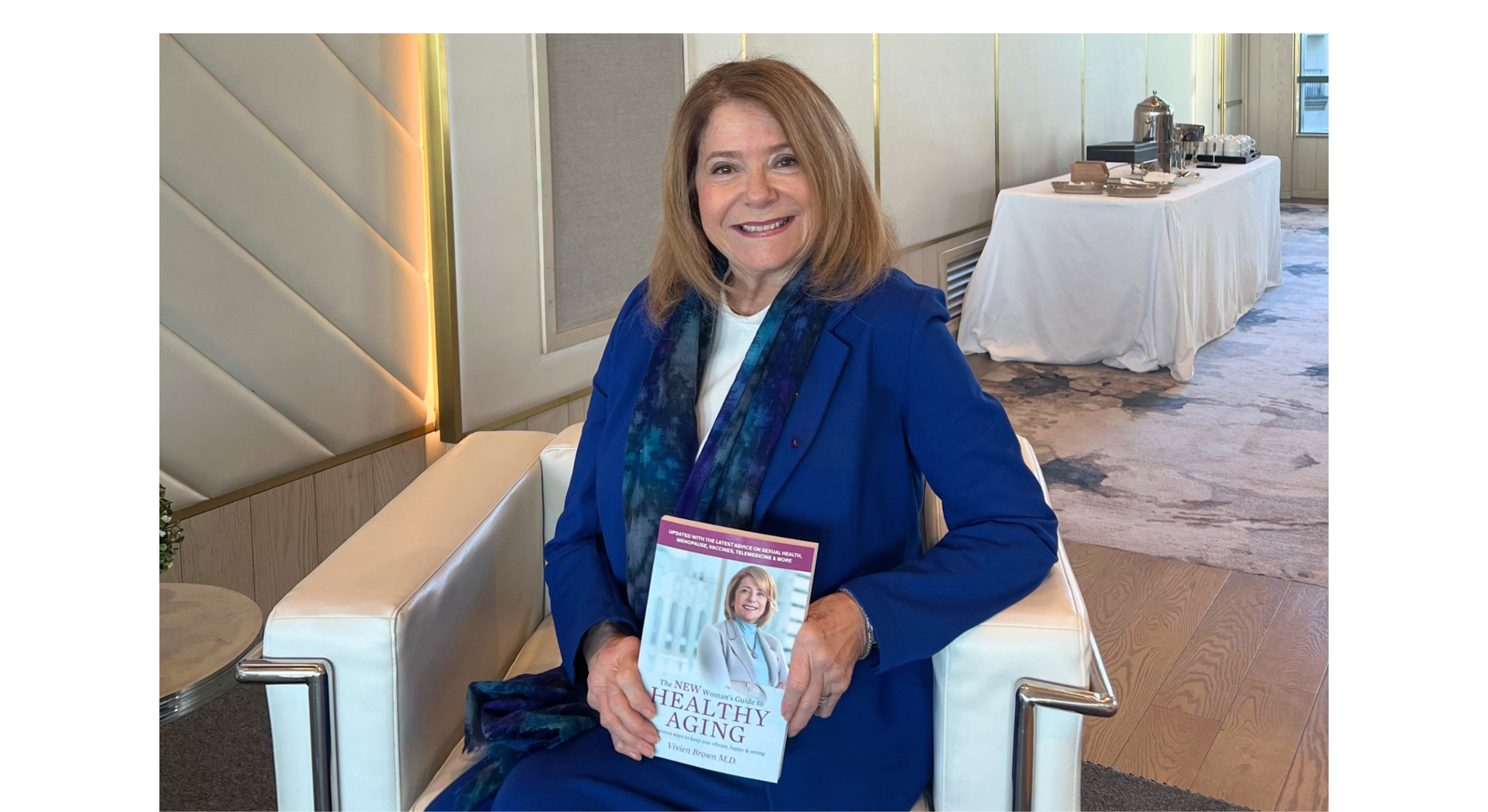
Dr. Vivien Brown explores why women need holistic, preventative healthcare that addresses their unique needs across every stage of life.

Women’s health spans every stage of life, yet care is often fragmented. What gaps in the system have you seen that inspired your focus on preventative and holistic care for women?
So for a long time we have looked at women’s health as “bikini medicine”, basically breast and gynecological care. But women’s health is much more complex. It includes mental health that may be affected by various hormonal stages, cardiac health, and bone health which have different time frames and trajectories than men, as well as metabolic health affected by age and stage for every woman. Brain health is also different as women are more at risk for dementia, and are more likely to be caregivers in a family situation. I think we need holistic comprehensive care for women, not just copying the care given to a man
From your experience, what are the most common health concerns or misconceptions women bring to you, and how can they better navigate the overwhelming amount of health information online?
So very often women are late to the table with health concerns. They may be caring for children, older parents, and working, leaving themselves last on the list. We see this in the field of heart disease, where pathology is often picked up later in the course of the disease. I teach that it is not selfish to care for oneself but rather selfless and important so you can be there to care for others. Women should be seen regularly for a health review so as to help navigate the normal hormonal transitions and all that may affect one’s health.
Menopause and perimenopause are receiving more public attention than ever; how do you see education and awareness changing women’s understanding of this transition?
I think this is great as conversation and education is so important. More than 80 per cent of women have symptoms of menopause, but only 20 to 30 per cent seek treatment. This is fine. We don’t need to treat everyone as some symptoms are mild. However, if a woman is having symptoms that are disabling or affecting her quality of life there are wonderful options and she should be supported through this journey. And it is important to distinguish between transient hormonal fluctuations and normal changes of aging. This is a great time to review preventions and general health issues for a woman.
Many women still feel dismissed or rushed in healthcare settings. What do you think needs to change in the system to ensure women feel truly heard and taken seriously in clinical conversations?
This is variable and depends on the patient and the provider. Often the doctor thinks if it is important the patient will bring it up and the patient may think if it is important, the doctor will ask. So communication is key.
Lifestyle factors like sleep, stress, nutrition, and exercise play a huge role in long-term health outcomes. How do you help patients prioritize sustainable changes without overwhelming them with too much information at once?
I always think there is a benefit in going back to basics.
- Healthy eating, eat the rainbow. Canada’s Food Guide which does include advice to eat together as a family and at the table, not in the car on the way to some practice, taking the time and effort makes a difference for the whole family
- Getting enough sleep is paramount and we have learned that everything from brain health to cardiovascular health depends on sleep. Sleep hygiene is important, and check out meditation if you are having some issues as a good start.
Exercise needs to be daily activity not just a once-a-week class at the gym. Start walking more, doing more, choosing outside activity as the norm.
Do you have any upcoming initiatives or anything going on that you would like to share?
I have the honour to speak in Halifax in November giving the keynote address on Menopause. As well this fall, I am attending a meeting in Rio for the International Menopause Society as a Canadian Ambassador, bringing back important information for Canadian doctors and their patients. It is very exciting and positive for women as we learn new ideas, new medication options, and new choices to live a healthier and more active future.