
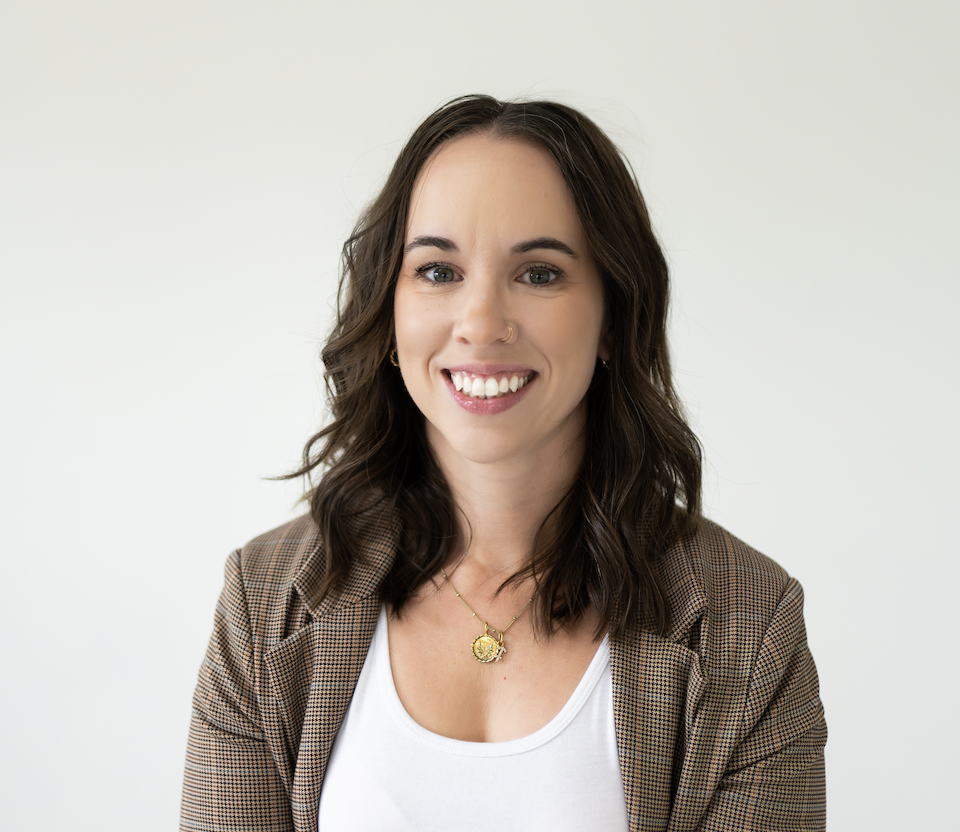
Lindsey Byrt
President of Dash Captioning
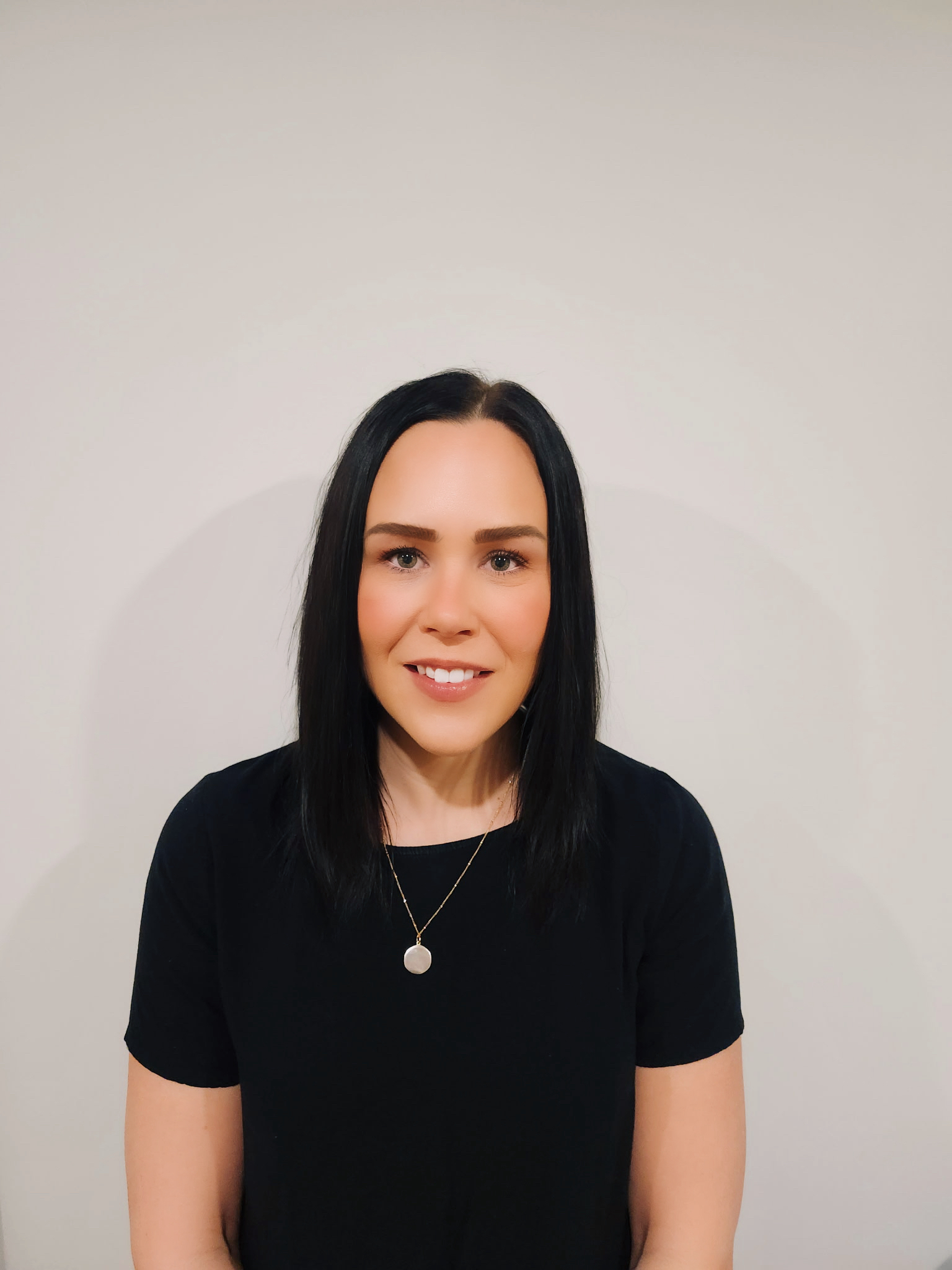
Tracy Primc
Professional Captioner
This Canadian company prioritizes human-written captioning over AI-generated captions, and encourages organizations to think of captioning as more than a check box.
Artificial intelligence (AI) has undoubtedly changed the way we operate as a society. In many cases, it has added to the human experience, making certain tasks easier or more manageable. However, just because AI exists, it doesn’t necessarily make it a suitable replacement for every role or job.
Live captioning is the process of creating accurate, real-time text from spoken dialogue/content using skilled human captioners and specialized CAT software. While many of us may be familiar with broadcast captioning on our televisions for live shows and events, it can also be used in different settings including online meetings, YouTube, conferences, courtrooms, and other live events. For non-disabled people, captioning may seem like a natural fit for AI — an example of a practice that can clearly benefit from the introduction of the tool. Tracy Primc, a professional captioner, explains why this is a non-disabled perspective: “People who can hear don’t realize how often our brains are autocorrecting, so to think AI is a suitable replacement for human-written captioning is incredibly shortsighted.”
Prioritizing the human experience
Human-written captioning is done by professionals, using stenography machines. Whether operating in person or remotely, human captioners are working simultaneously as they listen to a speaker, writing on the fly and integrating everything that’s happening into the final product, from the words themselves through to ambient noise. For those relying on captioning, human-written captioning allows them to follow along with not just what’s being said, but entire environmental scenarios.
People who can hear don’t realize how often our brains are autocorrecting, so to think AI is a suitable replacement for human-written captioning is incredibly shortsighted.
“On the surface, captioning may seem like a natural use for AI, but there are enormous risks that come along with auto-generated captions,” explains Lindsey Byrt, President of Dash Captioning. From confidentiality and privacy concerns to data retention, AI-generated captions don’t safeguard information the same way human-written captioning does. “Live captioners can also manage communications in a way that AI can’t. They follow context, emotions, and environmental cues and bring it all together in a way that makes sense.”
AI captions are significantly less accurate than human-written captioning. While human captioners can interpret context and prioritize information, AI can misspell words, fail to pick up certain accents, and often record only the loudest, clearest voice in the room. Primc says YouTube captioning ranges from 70 to 80 per cent accuracy, while Primc, at her lowest, can perform at 98 per cent accuracy.
The right to communication access
Captioning is often seen as a simple check box for organizations when planning an event, but Primc and Byrt have seen the difference that human-written captioning makes firsthand. It’s why Dash Captioning, a Canadian women-owned captioning company has committed to prioritizing human-written captioning over AI. “Communication access is a human right,” says Byrt. “Accessibility isn’t just about captions being turned on. Someone is relying on those captions to fully participate.”
It’s not only the Deaf and hard-of-hearing who benefit from human-written captioning. “Audio processing is a big piece for everyone. Having a record of your meeting allows people to be more present,” Primc explains. Captioning plays a huge role in allowing a wide range of people to really retain what’s being communicated, from those who have auditory processing disorders to those learning a second language or working on their reading comprehension.
To learn more about human-written captioning or to explore hiring a professional captioner for your next event, visit dashcaptioning.ca.