 Health Insight

In this issue
-

s Sponsored
How the Ontario Brain Institute Is Boosting Brain Health Innovation
The Ontario Brain Institute is enabling privacy-enhancing AI collaboration in brain health research, positioning Canada as a global leader. Brain research is complex and requires massive amounts of data, diverse patient populations, and collaboration across institutions. Federated learning — a technique that sends AI models directly to data rather than trying to move data to...
-

s Sponsored
Life-Changing Therapies are Being Developed All Over The World. Canadians Deserve Access to Them.
Canada is at a crossroads. Facing geopolitical turbulence not seen in generations, we are energetically protecting our national interest. But what is our national interest? Health sovereignty is at its core. We take it for granted that all Canadians deserve equitable access to excellent care, and recent global health crises, including the COVID-19 pandemic, have...
-

s Sponsored
Why the University of Saskatchewan Is Focusing on Health For All
USask’s One Health research tackles global health threats with a multidisciplinary approach and by leveraging a deep pool of expertise. One Health addresses the interconnectedness between human, animal, and environmental health, with an understanding that one cannot progress at the cost of others. Respecting these intersections, the University of Saskatchewan’s (USask) One Health Signature Area...
-

s Sponsored
New Pan-Canadian Collaboration Reduces Clinical Trial Barriers
As clinical trials become more complex and globally competitive, adopting a country-wide single ethics review system helps to ensure Canadian research keeps moving forward. Clinical trials are an integral part of life sciences development in Canada. However, getting clinical trials started can be costly and time-consuming, especially when they are conducted at multiple sites across the country. A key barrier is Canada’s fragmented ethics review framework. Typically, a clinical...
-
s Sponsored
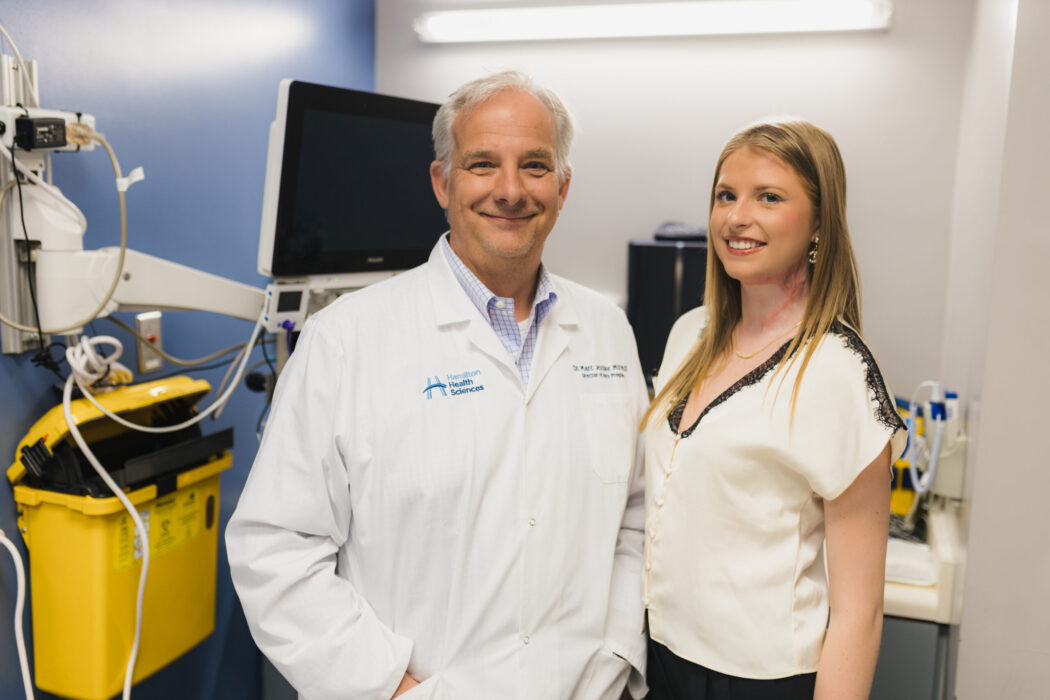
Hamilton Health Sciences Experts Perform World-first Burn Treatment
This novel treatment takes research from discovery to impact, saving patient from life-altering skin grafts. A holiday mixer for fraternity and sorority members near London’s Western University last December turned into a terrifying scene when a fire broke out, sending five young women to hospital. Kaitlin Jeffrey, 18, of Toronto, was the most seriously injured,...
-

Building a Life Sciences Ecosystem That Delivers for Canada
Canada’s Life Sciences sector is ready to turn research excellence into patient access. Canada has a remarkable life sciences ecosystem that stands out on the world stage; internationally renowned institutions and research centres, globally recognized researchers and scientists, and a biopharmaceutical industry that attracts global investment. Despite this strong foundation, a critical gap between what...
-

Right Care, Right Place: Rethinking How We Deliver Cancer Care
As health systems face mounting pressures, modernizing cancer care delivery could improve patient experience and access. Health care systems across Canada are facing significant pressures from human resource shortages, wait times, and overcrowding, putting strain on patients, families, and staff alike. While scientific progress accelerates globally, a disconnect remains between these advances and how care...
-

s Sponsored
Canada’s Wait for New Medicines Is Long — and About to Get Longer
Global drug policy changes are making it increasingly difficult for innovative new medicines to reach the Canadian market. There’s a quiet crisis unfolding behind closed doors. Canadians have the longest wait times in the G7 for public access to new and innovative medicines — the patented, breakthrough kind that treat cancer, autoimmune disorders, and rare...
-

s Sponsored
How The Kidney Foundation Is Transforming the Future of Kidney Health
The Kidney Foundation of Canada is accelerating kidney health research through collaboration, strategic investment, and innovative partnerships. Chronic kidney disease (CKD) is a serious, progressive condition in which the kidneys gradually lose function. It affects over 4 million people in Canada, but many don’t find out they have it until it’s at an advanced stage. ...
-
s Sponsored
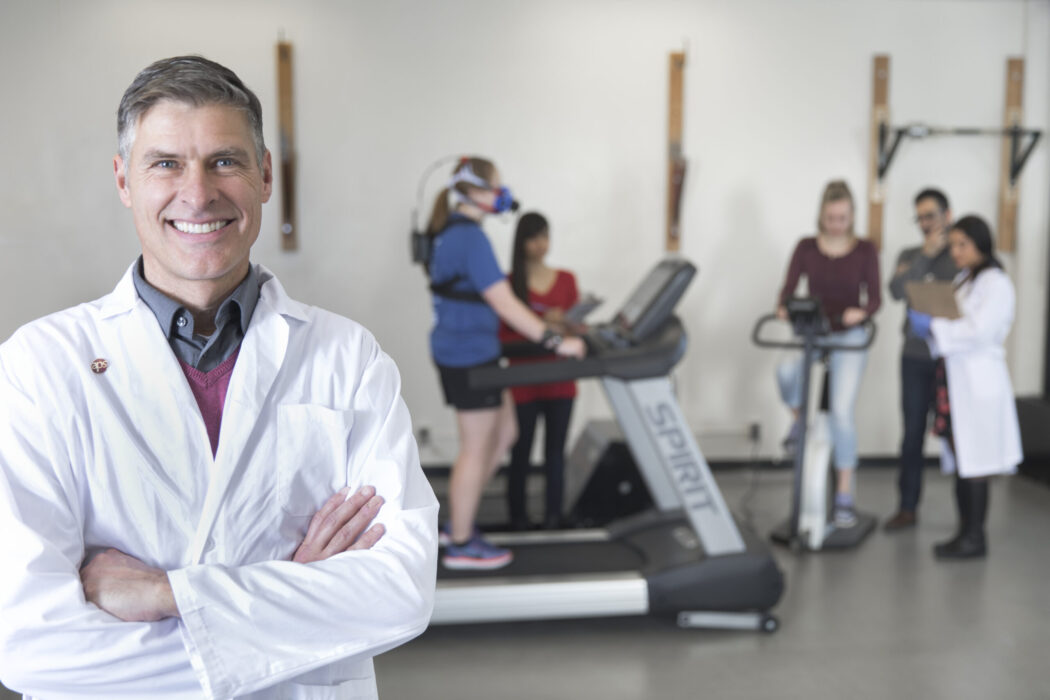
Exercise Without Fear: How New Technology Is Changing Type 1 Diabetes
Exercise can increase hypoglycemia risk for people living with type 1 diabetes, but automated insulin delivery systems can help reduce that risk. For people living with type 1 diabetes, exercise is one of the most powerful tools for long-term health, yet it can also be one of the most challenging. Physical activity improves cardiovascular health,...