 Health Insight
Brain & Sleep Health
-

Sleep is important for brain injury recovery: How do you get it?
Everyone needs quality rest in order to feel their best. But for individuals with brain injury, it’s common to experience lack of sleep and sleep disturbances that impact quality of life. It’s “one of the most persistent and debilitating consequences of TBI [traumatic brain injury]” [1], and can have a huge impact on a person’s...
-

The Essential Night Shift: Sleep’s Role in Brain Health and Positive Psychology
Sleep isn’t just restorative; it’s a transformative experience that serves as a nightly spa for our brains, crucial for physical, emotional, and cognitive rejuvenation. Positive Psychology researchers, including Dr. Frederick Brown, underscore the profound link between sleep and resilience. A well-rested brain is better equipped to handle stress, boost concentration, and enhance overall well-being. Dr....
-
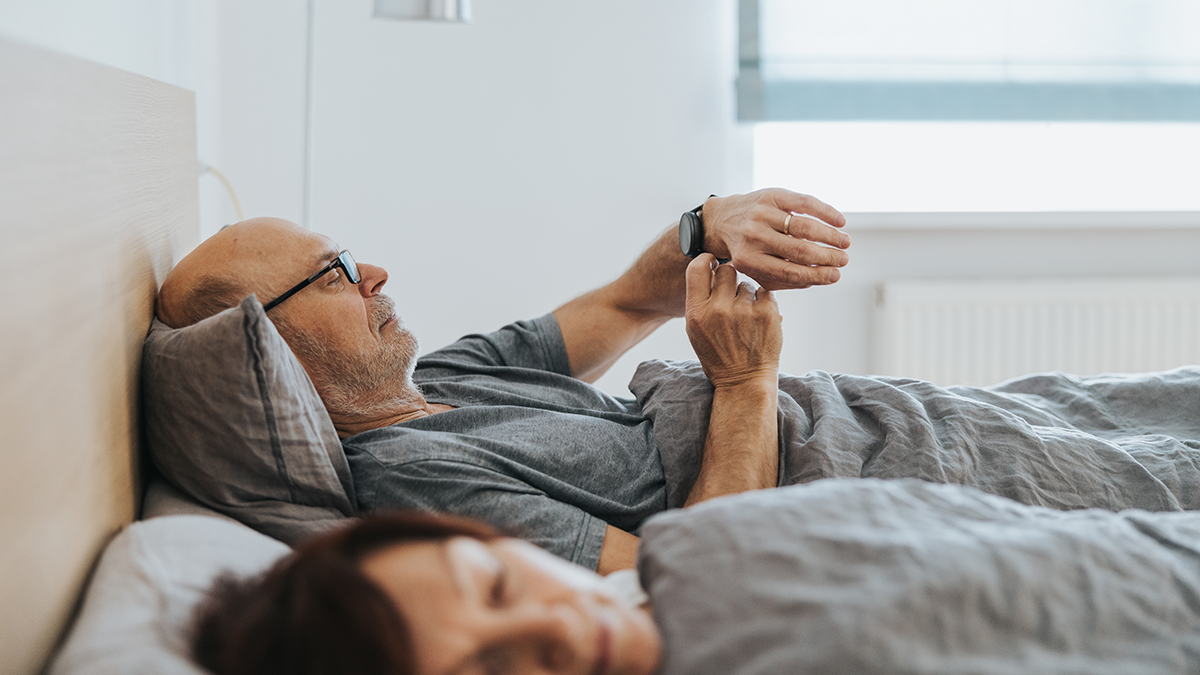
Sleep Trackers: Are They Accurate, and Do They Actually Help?
“My watch says I barely got any deep sleep last night—should I be worried?” As a sleep physician, I hear this question all the time. More and more people are turning to wearable technology to track their sleep, hoping for better rest and improved health. With nearly 30% of Canadians using devices to monitor their...
-

The Vital Connection Between Sleep and Brain Health
We live in a fast-paced world, constantly juggling work, school, social activities, and countless responsibilities. When life gets busy, sleep is often the first thing we sacrifice—whether by staying up late to finish tasks or waking up early to get a head start. But at what cost? Science continues to reinforce what we inherently know:...
-

Brain Canada Collaborates to Advance Insomnia Therapy
Novel drug could provide hope to those suffering from neuropathic pain and insomnia. A diverse consortium, combining expertise from McGill University, the Quebec government and private industry, has made significant headway in the development of a novel new drug that could alleviate insomnia and neuropathic pain. These advances were made possible thanks to a $658,422 grant...