Health Insight

As Canada advances its Pan-Canadian Action Plan on Antimicrobial Resistance, federal leaders discuss progress, priorities, and how a One Health approach can protect human and animal health while preserving life-saving treatments.
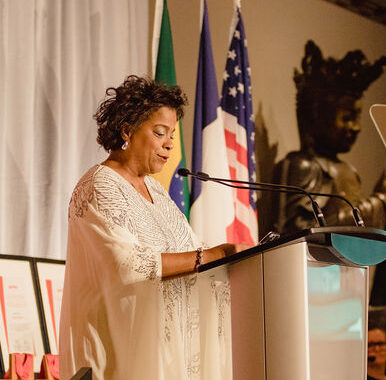
The Honourable Marjorie Michel
Minister of Health

The Pan-Canadian Action Plan on Antimicrobial Resistance outlines five key areas for action: research and innovation, surveillance, stewardship, infection prevention and control, and leadership. As we approach the end of the Action Plan’s five-year timeframe, what progress do you believe Canada has made, and where is further action needed?
We have made important progress in strengthening our response to antimicrobial resistance, and we continue the work needed to better protect those affected by these infectious disease.
The Pan-Canadian Action Plan has given us a strong foundation to work together across governments and across the human, animal, agricultural and environmental sectors. Over the past four years, we have invested in research and innovation, strengthened surveillance and antimicrobial stewardship, advanced infection prevention and control, and built stronger national coordination. Here are some examples of progress to date highlighted in the Year 1 and Year 2 progress reports.
But antimicrobial resistance is a long-term challenge, and we cannot take our progress for granted. We need to continue building our capacity to detect and respond to resistance, protecting access to effective antimicrobials and supporting their responsible use.
This is about better protecting the health of Canadians today while building a stronger and more prepared Canada for the infectious disease threats of tomorrow. That means continuing to work with provinces, territories and partners across sectors to turn research and evidence into practical solutions.
The Action Plan emphasizes a One Health approach, recognizing the connections between human health, animal health, agriculture and the environment. What role do you see for collaboration across these sectors in strengthening Canada’s response to antimicrobial resistance?
Antimicrobial resistance does not stop at borders or fit neatly into one area of government. What happens in human health is connected to animal health, agriculture and the environment.
That is why collaboration is at the heart of Canada’s approach. The Government of Canada is working with provinces and territories, Indigenous partners, researchers, industry, health professionals and partners across the One Health community to share knowledge, strengthen surveillance and act on common priorities.
By bringing these perspectives together, we can better understand how resistance develops and spreads, and take action earlier.
By breaking down silos, working together and using the best evidence available to protect the health of Canadians, animals and our shared environment, we are building a stronger health system.
The Action Plan highlights the importance of research and innovation, including new antimicrobials, diagnostics and alternatives to antimicrobials. Where do you see the greatest opportunities for Canada to support innovation and ensure we are prepared for the infectious disease and AMR challenges ahead?
Canada has an opportunity to be a leader in developing and bringing forward new solutions to antimicrobial resistance.
That means empowering our researchers and innovators to develop new antimicrobials, diagnostics and alternatives, while also making sure Canadians can actually benefit from those innovations. Our Antimicrobial Economic Pull Incentive Pilot is one example of how we are testing new approaches to improve access to innovative antimicrobial treatments that are not currently available in Canada.
We know that innovation is not just about discovering something new. It is also about building the systems that allow Canadians to access and use those tools responsibly.
By supporting research, empowering innovators and strengthening access, we are building a more resilient health system and better preparing Canada for the infectious disease threats ahead.
Every Canadian has a role to play in protecting the effectiveness of antimicrobials.
Simple actions, like preventing infections and using antimicrobials responsibly and as recommended by a health professional, can make a real difference. But Canadians also need clear, trusted information to make informed decisions.
That is why governments, health professionals and public health leaders have a responsibility to meet Canadians where they are, provide reliable information and make it easier to understand how we can all help prevent the spread of resistant infections.
Building Canada strong means empowering Canadians with the information they need to protect their health and use antimicrobials responsibly. Our Pan-Canadian Action Plan recognizes that education, awareness and collaboration are essential to tackling AMR. Through a One Health approach, we also recognize that human health, animal health, agriculture and the environment are connected. By working together across sectors, we can protect the tools we rely on to keep people healthy and build a stronger, more resilient Canada.
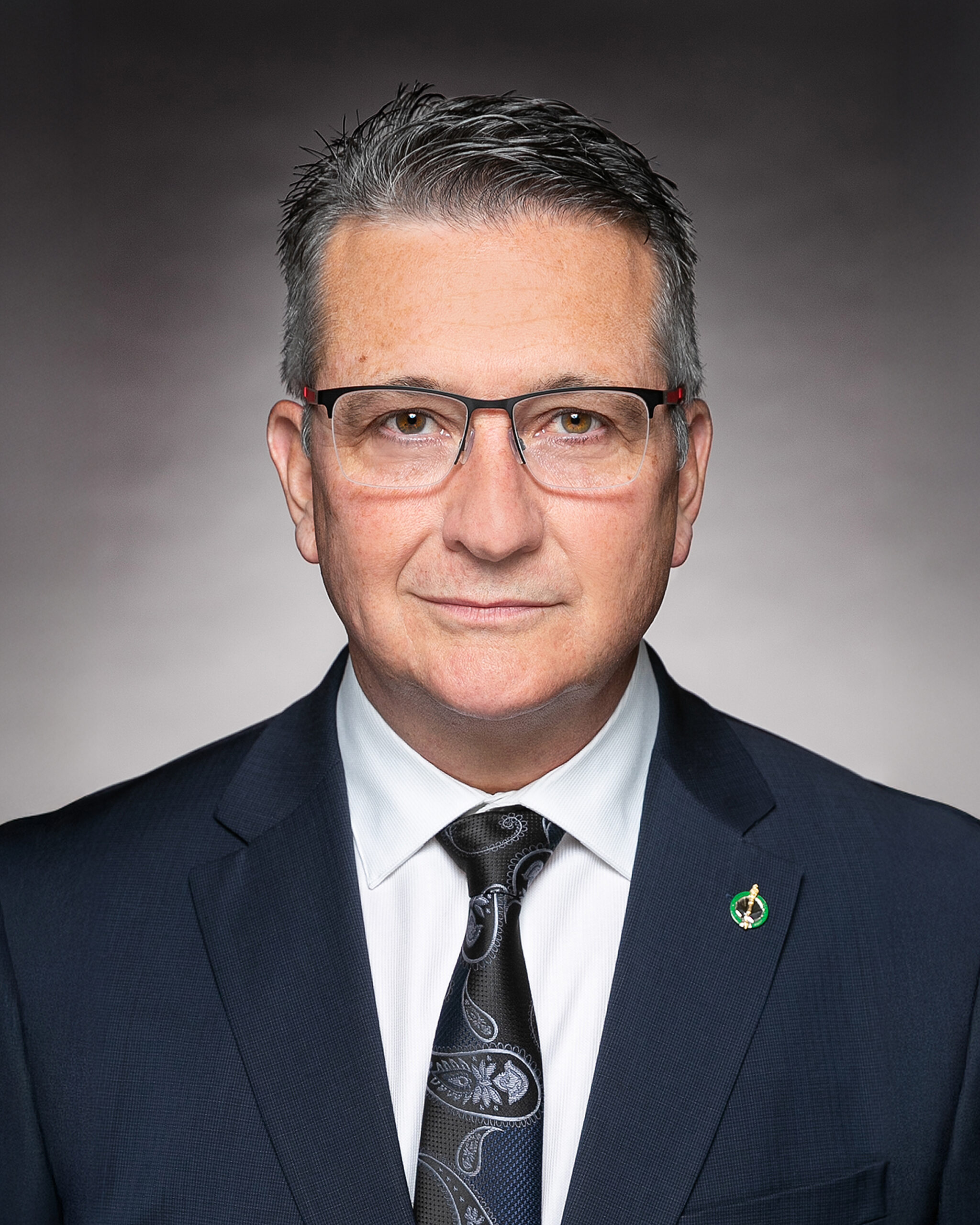
The Honourable Heath MacDonald
Minister of Agriculture & Agri-Food
What role does agriculture and the agri-food sector play in Canada’s One Health approach to addressing antimicrobial resistance, particularly when it comes to responsible antimicrobial use and protecting animal health and food safety?
Addressing the challenges of antimicrobial resistance (AMR) is a complex global issue that impacts health, agriculture, and the environment. Addressing this issue requires a One Health approach with active collaboration among multiple partners in many sectors.
In June 2023, federal, provincial, and territorial Ministers of Health and Agriculture released the five-year (2023-2027) Pan-Canadian Action Plan (PCAP) on AMR to coordinate and identify areas of response through a One Health lens. The ongoing implementation of the PCAP requires continued engagement and collaboration across governments and stakeholders in areas of stewardship, surveillance, research and innovation, infection prevention, and control.
From an AMR perspective, Agriculture and Agri-Food Canada (AAFC) supports Canada’s agriculture sector by promoting collaboration and cooperation across industry and governments and supports industry action. AAFC also plays a significant role in supporting the development of new knowledge through science and innovation in agriculture. AAFC researchers are developing alternatives to antimicrobials, including vaccines, probiotics, phages, and other biological products that can help prevent and treat disease in livestock. Together, this work supports animal health while reducing reliance on antimicrobials and reducing the risk of antimicrobial resistant microbes entering the food supply.
What progress or initiatives is Agriculture and Agri-Food Canada focused on to support the goals of the Pan-Canadian Action Plan, particularly around antimicrobial stewardship, prevention, surveillance, research and innovation?
AAFC is a key contributor to the PCAP on AMR (2023-2027), a federal-provincial-territorial initiative to accelerate a coordinated, multisectoral One Health response to antimicrobial resistance. Information on the progress made to date can be found here: Year 1 and 2 PCAP progress reports.
Under the PCAP’s Research and Innovation Pillar, AAFC and the Canadian Institutes of Health Research are co-leading the development of a Canadian National One Health AMR Research Strategy (NOHARS). This research strategy, due to be complete in 2027, will establish Canada’s antimicrobial resistance research priorities through an integrated One Health lens that recognizes the interconnections across the sectors. Beyond development of the research strategy, AAFC conducts research that contributes to these priorities. AAFC maintains scientific expertise focused on antimicrobial resistance in agricultural systems, including swine, poultry, dairy, and beef cattle, food, horticulture and field crops, soils, and water. As part of the Sustainable Canadian Agricultural Partnership (2023-2028), AAFC supports industry-led research initiatives, which include developing innovative approaches to bolster animal health and reduce Antimicrobial Use (AMU) across major livestock and poultry sectors.
AAFC also works with collaborators on research that supports antimicrobial resistance surveillance. These activities help direct subsequent research efforts, lay the scientific foundation for future integration of emerging AMR issues into formal agriculture and agri-food surveillance systems, and support advancing antimicrobial stewardship in agriculture.
AAFC continues to work in close collaboration with industry partners through Animal Health Canada to advance and promote antimicrobial stewardship in animal agriculture. A dedicated Antimicrobial Stewardship Leadership Team, with participation from governments and industry partners, has been established to assess and identify current initiatives, achievements, and gaps in the animal agriculture AMR space, while supporting the implementation of animal health related priorities of the PCAP on AMR.
Is there anything else you would like to highlight about AAFC’s role in addressing antimicrobial resistance in Canada?
Addressing antimicrobial resistance requires collaboration across sectors and disciplines. A premier example of AAFC’s role in this effort is the federal government’s Genomics Research and Development Initiative’s project on Antimicrobial Resistance-One Health, bringing together AAFC, the Canadian Food Inspection Agency, Public Health Agency of Canada, Health Canada, Environment and Climate Change Canada, and the Department of Fisheries and Oceans to better understand how antimicrobial resistance emerges, persists and spreads across human, agricultural, food, and environmental systems. The examples below show how this collaborative approach is using genomics to better understand antimicrobial resistance distribution and transmission across humans, animals, and the environment.
Comparative genomic analysis of microbes with animal and human health implications across sectors of the One Health continuum.
Enterococcus are a group of bacteria commonly found in people, livestock, wastewater, soil, and water. While many Enterococcus species are harmless, some can cause infections in people and carry antibiotic resistance genes, making them useful for studying how antimicrobial resistance moves across One Health systems.
Using whole-genome sequencing, a team of government researchers led by AAFC’s Tim McAllister compared more than 600 Enterococcus samples collected from livestock, human clinical settings, municipal wastewater, and environmental sources across Canada. The study examined antimicrobial resistance genes, disease-causing traits, and transferable DNA that allows resistance genes to move among bacteria.
The research found that antimicrobial resistance genes occur across human, animal, and environmental sectors, highlighting the interconnected nature of antimicrobial resistance. However, Enterococcus strains from human clinical settings generally carried a greater diversity of resistance genes and disease-associated traits than those from livestock sources. Researchers also identified resistance genes on pieces of transferable DNA called plasmids, which can contribute to the spread of resistance within bacterial populations.
These findings provide valuable insight into the ecology of antimicrobial resistance and demonstrate how genomic surveillance can help identify potential pathways for the movement of resistance genes across One Health settings. By improving our understanding of where and how resistance occurs, this work informs surveillance, risk assessment, and evidence-based decision-making to address antimicrobial resistance in Canada.

Dr. Joss Reimer
Chief Public Health Officer of Canada
What can Canadians do in their everyday lives to help prevent the spread of infectious diseases and reduce the risk of antimicrobial resistance?
We can all do simple, everyday actions to help prevent the spread of infections and reduce antimicrobial resistance.
Things like washing our hands regularly, covering our mouths when coughing and sneezing, staying home when sick, and keeping vaccinations up to date can all help prevent infections from spreading.
We can also help prevent infections by handling food safely and keeping frequently touched surfaces clean.
When it comes to antibiotics, it’s important to use them responsibly. Antibiotics don’t work against viruses like colds and the flu, so they should only be used when absolutely needed, and always prescribed by a healthcare professional. If you’re prescribed an antibiotic, take it exactly as directed, and never share it with someone else.
While there are many things that we can do on a daily basis, it is important to recognize that antimicrobial resistance (AMR) is a particularly complex challenge. In fact, resistance can happen naturally as bacteria change over time. Further, this isn’t just a human health issue — it is a One Health issue. This means that resistance can develop and spread between people, animals, and the environment. So, tackling AMR requires action by folk working in all these areas — human health, animal health and environmental health.
If we can prevent infections, fewer people will need antibiotics, which helps slow the development and spread of resistance. This helps protect and keep these important medicines working for when we really need them. So, while these may seem like small everyday actions, they are an important part of addressing a very complex One Health challenge.
What do you see as the most important priorities for Canada in addressing antimicrobial resistance and preparing for the infectious disease threats of the future?
I think there are a few key priorities for Canada when it comes to antimicrobial resistance and future infectious disease threats.
First, we must prioritize upstream infection prevention. This means strengthening routine vaccination coverage and expanding public and provider awareness, while reinforcing infection prevention and control practices across acute and long-term care settings. The fewer infections we have, the fewer opportunities there are for antimicrobial resistance to develop and spread.
Second, we need to continue to strengthen surveillance and better harmonize data to enable more advanced analytics among health professionals. This will help to enhance our ability to detect patterns, generate insights, and support timely decision-making. We need to know where resistance is emerging, which infections are becoming harder to treat, and how antimicrobial use is changing. That information helps us identify threats earlier and then respond before they become bigger problems.
Third, we need to use the antimicrobials that we already have responsibly, while investing in new solutions. That includes making sure antibiotics and other antimicrobials are used appropriately in people and animals, increasing Canada’s access to new antibiotics and other innovative treatments, and supporting research into new treatments, diagnostics, vaccines, and alternatives. We can’t assume that the medicines we rely on today will always work tomorrow.
And finally, I think solid relationships and collaboration are critical. AMR doesn’t respect borders. The Pan Canadian Action Plan on AMR guides our work with partners across Canada and around the world. No single organization or government can address AMR on its own. We must continue to work together, including with Indigenous partners, health professionals, researchers, agriculture and other sectors, as well as internationally.
So, ultimately, I think the goal is to be better prepared rather than simply reacting when the next threat emerges—by preventing infections, detecting threats early, protecting the treatments that we have, investing in new solutions, and working together across sectors. That’s what will help Canada build resilience against AMR and other infectious disease threats in the future.
Q3. Where do you see the greatest opportunities for innovation and collaboration to strengthen Canada’s ability to prevent and respond to infectious diseases and antimicrobial resistance?
One of Canada’s greatest opportunities is to bring together the excellent research, expertise, and innovation that already exists across the country and around the world and turn that knowledge into practical solutions that protect Canadians.
We need multidisciplinary research and innovation — not just to develop new antibiotics, but also to look at new ways of preventing, detecting, and treating infections. This includes things like faster and more accurate diagnostics, genomics and gene-based approaches, vaccines, and new alternatives to antibiotics.
I think there is also a real opportunity to explore some of the newer areas of science. For example, phage therapy uses viruses that specifically target bacteria, and research into the microbiome is helping us understand how the communities of microorganisms in our bodies can influence health and our ability to resist infection. These approaches may not replace antibiotics, but they could become important additions to our tools. Canada is already investing in areas such as phage research, genomics, and novel alternatives, so there is an opportunity to build on that work.
The Government of Canada’s AMR Innovation Pilot is another example of trying something different. It is a time-limited, first-of-its-kind initiative in Canada. The pilot will use an innovative outcomes-based financing mechanism to improve access to priority antimicrobial drugs, address some of the market challenges that limit their availability, and support antimicrobial stewardship in Canada.
Another important opportunity is better diagnostics. If we can determine more quickly whether an infection is bacterial, which treatment is likely to work, and whether resistance is present, we can make better treatment decisions and avoid unnecessary use of antibiotics. Canada has already supported research into point-of-care AMR diagnostics, and I think continuing to move innovations like these from the laboratory into real-world use is crucial.
Collaboration is equally important. We need researchers working with clinicians, public health, governments, industry, agriculture, environmental scientists, and Indigenous partners. We also need to connect Canadian expertise with international efforts, because infectious diseases and antimicrobial resistance don’t stop at our borders.
When I think about the future, innovation isn’t simply about finding the next antibiotic. It means looking at the whole toolbox — from prevention and vaccines, to rapid diagnostics, genomics, phage and microbiome research, new therapeutics, and better surveillance. All while making sure that Canada has the partnerships and systems in place to turn innovative ideas into solutions. That’s how we can be better prepared for the infectious disease threats we know about today, as well as the ones we haven’t seen yet.