
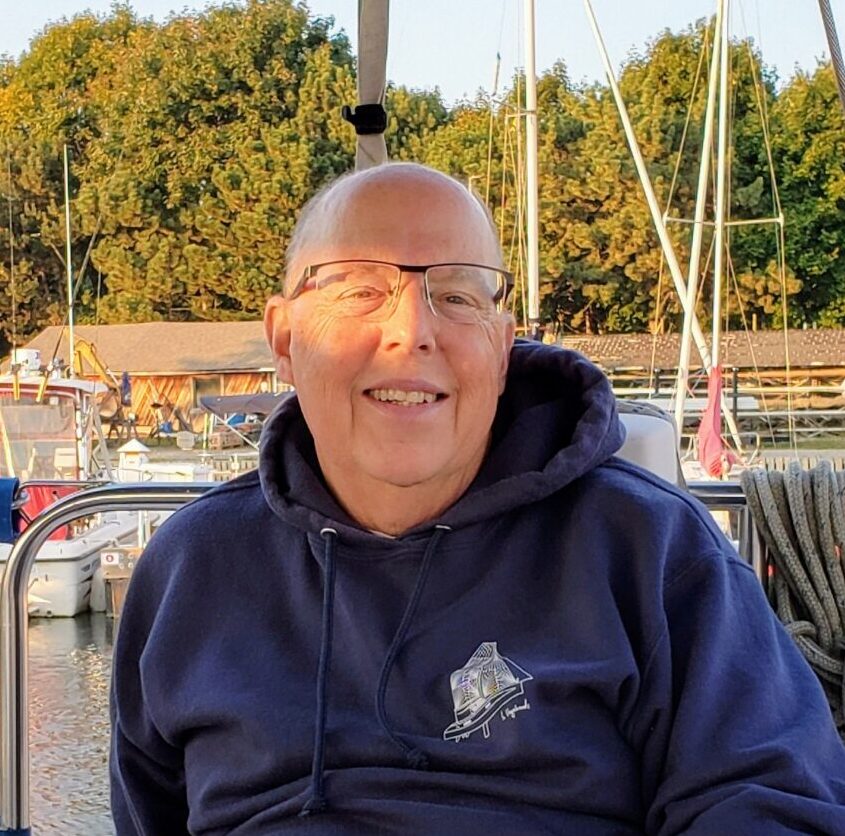
Brad Guinn
Prostate Cancer Survivor
This Canadian non-profit is advocating for better cancer support for patients and their caregivers, highlighting the importance of connectivity throughout the cancer journey.
Nearly one in two Canadians will face a cancer diagnosis in their lifetime, making it the most commonly diagnosed health condition. Hearing the words ‘you’ve got cancer’ can be the start of an incredibly isolating journey, despite so many others having shared the same path. For men, a cancer diagnosis can be particularly surprising, having built a reputation for ignoring worrying symptoms and feeling uncomfortable speaking about their concerns to family or even a doctor.
The Canadian Cancer Survivor Network (CCSN) was established with the intention to empower Canadian cancer patients, survivors and their families with knowledge to allow them better access to the supports required throughout diagnosis. Many cancers, like prostate cancer, are treatable when discovered early, yet when diagnosed in a later stage of the disease, these same treatments may not be available or less effective overall. Understanding cancer symptoms and personal risk-factors continue to be the best ways to stay on top of a potential cancer diagnosis, but information and access to these integral support systems can be hard to navigate.
CCSN aims to build a future where Canadians have access to the best possible care with a focus on accessible support, believing that not only is education key to better patient outcomes, but connection is just as critical to a less lonely cancer journey.
Facing the realities of diagnosis
Prostate cancer survivor Brad Guinn, 68, explains how connection and support have been critical to his experience.
What was your understanding of prostate cancer prior to your diagnosis?
My understanding of prostate cancer was fairly conventional. I viewed it as a common illness of aging that was slow-moving and manageable. Facing the reality of metastatic disease forces you to quickly become an educated self-advocate, learning about genetic testing and the frontier of molecular medicine.
How has connecting with other patients contributed to your own experience?
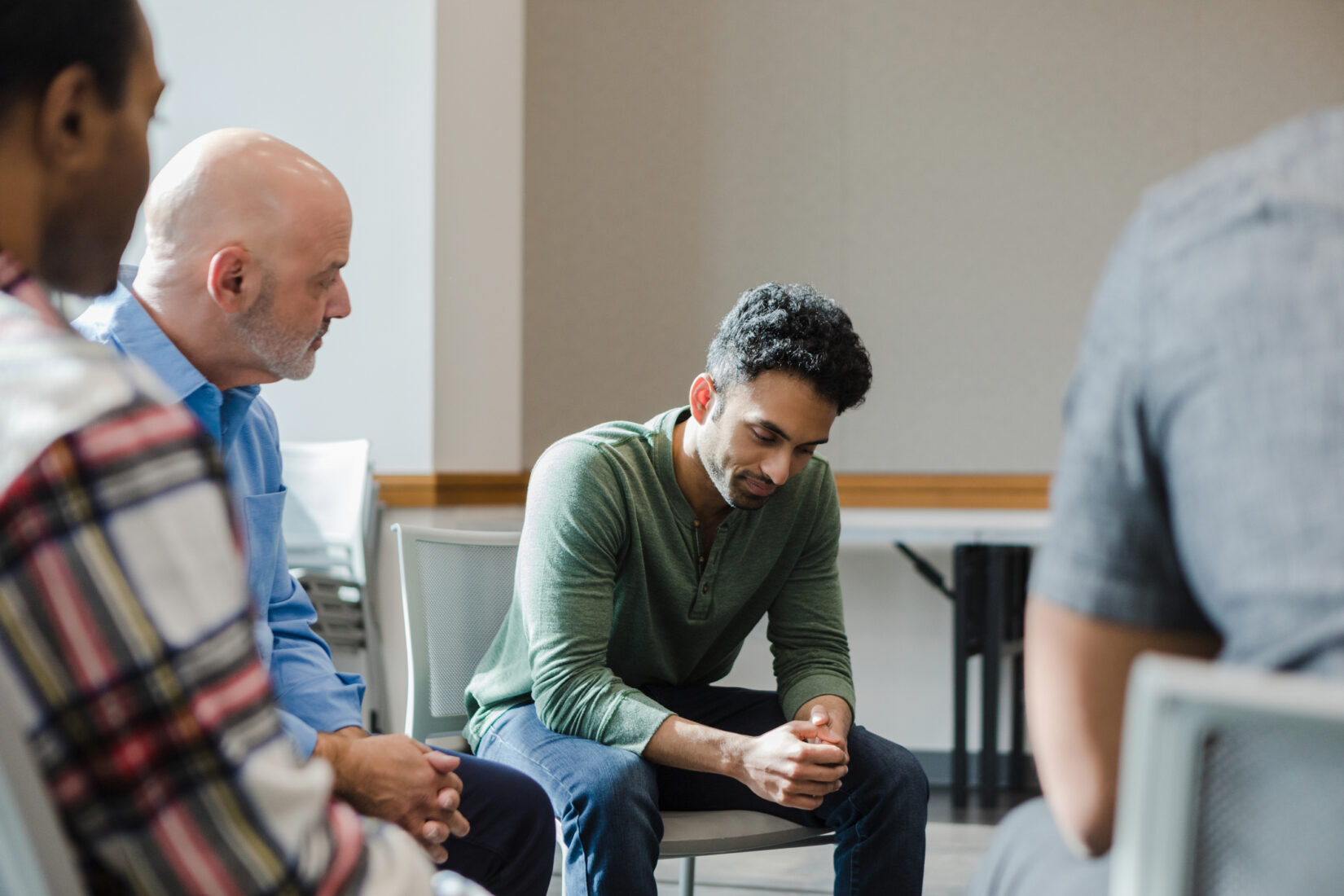
Connecting with fellow patients completely changes the psychological landscape of surviving cancer. It transforms a deeply isolating, clinical experience into a shared human journey. Seeing others survive and thrive gives you the mental fortitude to keep advocating for your own health.
How do cancer support groups and networks help through diagnosis?
We need robust support networks like the Canadian Cancer Survivor Network to break that stigma and give patients permission to speak openly about their vulnerability, fear, and side effects. Post-diagnosis support is critical because patients face systemic hurdles that go beyond the operating room.
How can support groups help caregivers?
Cancer is never a solo diagnosis; it impacts the entire family unit. Support groups provide caregivers with a dedicated sanctuary to voice their own fears, prevent burnout, and learn how to navigate the healthcare system effectively. By supporting the caregiver, these networks ultimately strengthen the patient’s entire frontline defense.
CCSN recognizes that through increased education and support, they can promote higher rates of early intervention and offer patients, like Brad, the chance to feel empowered throughout their cancer journey and beyond.
To learn more about the Canadian Cancer Survivor Network and understand why education and support are so critical to the cancer journey visit survivornet.ca.