

Leah Ison
Communications & Engagement Specialist
Early intervention therapy supports children with developmental delays by building critical skills during the years when brain development is most rapid.
When a child is developing, the early years are filled with rapid growth and learning. For children with developmental delays or disabilities, early intervention therapy can make a meaningful difference during this critical time.
Early intervention refers to therapies and supports provided to infants and young children who may need extra help with development. These services can support areas such as movement, communication, social skills, learning, and daily activities.
Why the Early Years Matter
Research consistently shows that the first few years of life are when the brain develops the fastest. During this time, children build the foundations for how they move, communicate, learn, and interact with the world around them.
Early intervention therapy helps children develop these foundational skills by providing targeted support when it can have the greatest impact. Starting therapy early can help children:
- Build strength, coordination, and motor skills
- Develop communication and language abilities
- Improve social and emotional skills
- Increase independence in daily activities
- Gain confidence while exploring and learning
- A Team Approach to Development
Early intervention often involves a team of professionals working together with families. This may include therapists, instructors, and support staff who design activities that encourage development through play, movement, and interaction.
Just as important as the professionals involved are the families themselves. Parents and caregivers are key partners in the process. By learning strategies and activities, they can use at home, families help reinforce the skills children are developing during therapy sessions.
Supporting the Whole Child
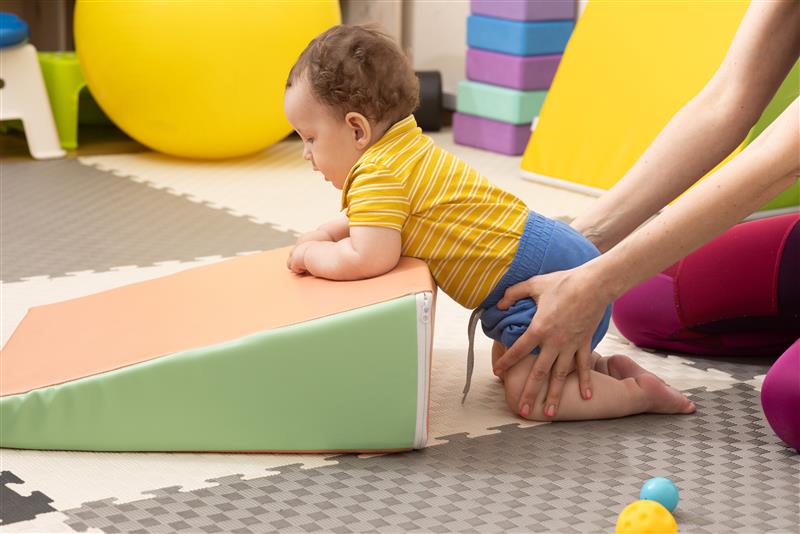
Therapy in early childhood is often designed to be engaging and fun. Through play-based activities, children practice important developmental skills while enjoying positive experiences with peers, caregivers, and instructors.
This approach supports the whole child — not just physical development, but emotional growth, social connections, and confidence.
Supporting Children in Our Communities
Organizations like Cerebral Palsy Alberta offer early intervention programs designed to support young children with disabilities and developmental delays. These programs create opportunities for children to build skills, connect with others, and develop confidence in a welcoming and supportive environment.
Access to early support can make a meaningful difference, helping children build a strong foundation for learning, participation, and independence as they grow.
To learn more about early intervention programs and support services, visit cpalberta.com or canadiancentrefordevelopment.org.