Health Insight
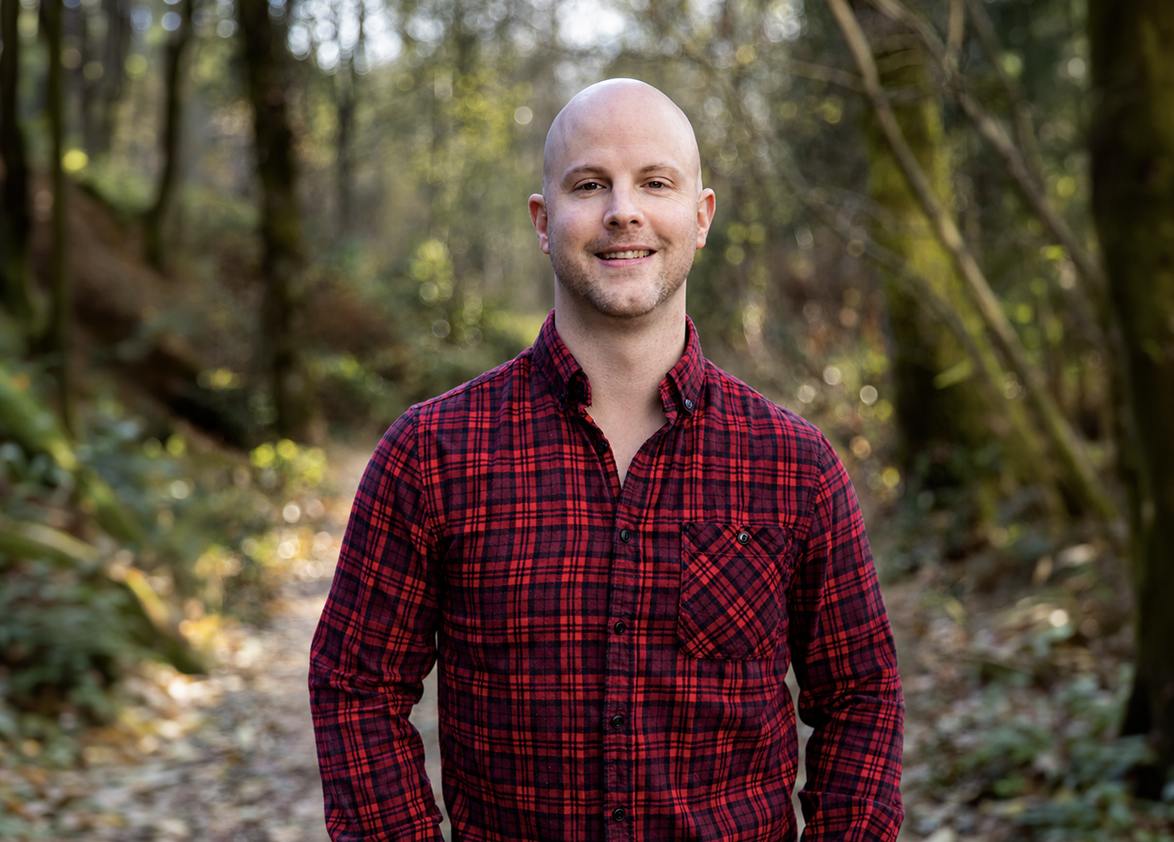
After a bladder cancer diagnosis at 38, therapist Mark Kerr learned that knowing the theory of resilience is very different from living it, and why reaching out is worth the risk.
You mentioned you didn’t notice the more frequent urination at first because you were so busy being a “super parent.” Why do you think men tend to brush off early warning signs, and what would you say to a man who is putting off a doctor’s visit?
I was “trying” to be a super parent and husband! Looking back, I was urinating more frequently, but I didn’t recognize it as a warning sign at first. We had a young child, I was working, and life was crazy busy. Once I saw a significant amount of blood in my urine, though, I knew something was wrong and sought medical attention immediately.
I think some men get used to putting their own health last, and some would simply rather not know. We often view ourselves as capable, independent, and able to push through most things. But not every delay is about living up to some idealized image of masculinity. Sometimes symptoms are subtle, and life is simply overwhelming.
I’d tell someone who’s putting off a doctor’s visit that they don’t have to know what’s wrong before asking for help. If something changes, especially if it persists or concerns you, get it checked. Taking your health seriously isn’t making a fuss or being a burden. The people who love you and depend on you need you to look after yourself, too.
As a therapist, you’ve said men are taught to carry on and not reach out. Where do you think that message comes from, and how did it show up in your own experience as a patient?
I think a lot of men grow up with the idea that strength means holding things together and dealing with problems on their own. Self-reliance can be a good quality, but it becomes a problem when it leaves no room to admit you’re frightened or struggling.
Being a clinical psychotherapist didn’t make me immune to any of this. I understood coping and resilience professionally, but knowing the theory is very different from trying to use it when you’re in pain, exhausted, angry, and wondering whether you’ll survive another day.
I found myself dealing with fear and resentment that I didn’t always know what to do with. It was humbling to go from being someone who helps others navigate difficult experiences to being the person who needed help. Talk about a shift in perspective!
I still see self-reliance as a positive trait. I just think we also need the flexibility to ask for support, or at least accept it when it’s offered. Sometimes that’s what allows you to keep going.
You described how hard it was to return to everyday life after facing your mortality for so long. What did that adjustment look like for you, and what helped?
This has been one of the most complicated parts of the whole experience. During cancer treatment, your life becomes organized around survival: procedures, test results, difficult decisions, pain, and the constant uncertainty about what’s next. Your world gets very small. At times I felt almost “selfish” out of necessity, because there was so little energy left to think about anything beyond getting through the day.
I’d assumed treatment would end and life would go back to normal. I didn’t understand how much would change, physically and psychologically. Some changes to my body are permanent, and I still deal with pain. Others are harder to see, like how I relate to uncertainty and think about the future.
What feels strange now is how far away that period seems. It was like a tornado hit our family and dropped us into a different reality. Then somehow, it passed, and I found myself slipping back into work, parenting, and everyday routines before I’d really caught up emotionally with what had happened. It almost feels like another lifetime. And yet those ordinary routines gradually became familiar and meaningful again. I find that ability to adapt pretty incredible.
Recovery hasn’t meant becoming exactly who I was before. I’ve had to adjust my expectations and rethink what success looks like. It used to be more about professional goals, finances, and the next accomplishment. Those things still matter, but today success might be having enough energy to play with my children or enjoy time with my wife.
Cancer didn’t magically make me wiser or grateful for everything. There’s a lot I would never want to go through again. But it did change some of what I value, and how I want to spend the hours in my day.
You said the medical system isn’t typically equipped for the mental side of a diagnosis. What do you wish had been in place for you, and what should men ask their care team about mental health support?
First off, I want to acknowledge the many healthcare professionals who worked hard to support me and treat my cancer. They are incredible people. My concern is not with individual providers but with how psychological care can become secondary when the priority is treating a life-threatening disease.
Cancer affects far more than the body. It can upend your identity, relationships, and sense of the future while you’re dealing with pain, fear, and enormous life-altering decisions.
I do wish mental health support had been offered more proactively and consistently. But even as a clinical psychotherapist, knowing help existed didn’t mean I had the energy or emotional capacity to accept it. There were times when survival consumed so much of me that making another call felt like an impossible demand. Sometimes the problem isn’t whether help exists, but whether you can bring yourself to use it.
Counselling did help when I accessed it, but what helped even more was speaking with someone who had already gone through the surgery I was facing. That made the future a little less frightening.
I’d encourage men to ask about counselling, peer support, and resources for their families. I’d also like to see care teams keep checking in and help patients connect with services, even after treatment has ended.
You found that some friends and colleagues didn’t know what to say. What advice would you give the people around a man going through a serious health challenge on how to show up for him?
One of the harder parts of facing a life-threatening illness is how it can completely destroy your sense of meaning and worth. I remember wondering what all those years of working so hard had been for if everything could be taken away so suddenly.
What helped most wasn’t someone finding the perfect words or promising everything would be okay. It was connection. People coming by, checking in, or letting me know they were thinking of me reminded me that I still mattered. I wasn’t forgotten. You need these reminders!
I also learned that people can care deeply and still struggle to know what to say. My advice is to try and show up anyway, in whatever way you’re able. You don’t need to fix anything. Listen, visit, send a message, offer something practical. Even small gestures can mean a tremendous amount when someone’s world has narrowed to survival.
And keep checking in after treatment ends. Ordinary life may have resumed, but that doesn’t mean the emotional aftermath has disappeared.
What is one thing you would say to a man who is struggling right now but hasn’t told anyone?
If you’re struggling and haven’t told anyone, that makes perfect sense to me. I did that too.
People have their own problems, and not everyone has the time, capacity, or willingness to understand what you’re going through. Sometimes reaching out and not being heard can feel worse than saying nothing. I understand why silence can seem safer.
But silence has a cost, too. Looking back, I wonder whether I could have spared myself some suffering if I’d reached out more. Some people will disappoint you. Others will surprise you: a friend, a family member, or even a stranger you meet through a cancer support group. A few people showed up for me in ways I hadn’t expected, and those connections made a real difference.
I’m not going to pretend that opening up is easy or that it always goes well. Sometimes it doesn’t. But it can be worth taking that chance. You may find more people willing to offer you support than you initially realized.