


Malika Ladha
MD, FRCPC, DABD, double board-certified dermatologist & Canadian Dermatology Association member
Cold weather brings dry skin dilemmas—dermatologists break down winter skincare myths, trends, and proven ways to protect your skin.
As temperatures drop, Canadians often face a surge of questions—and misinformation—about dry skin and how to properly care for it during the winter months. In this article, we explore the latest trends, common misconceptions, and evidence-based practices to help you protect your skin when the weather turns cold. We spoke with Dr. Malika Ladha, MD, FRCPC, DABD a double board-certified dermatologist and Canadian Dermatology Association member to get clarity on what truly works. As skin experts, dermatologists are uniquely trained to diagnose and treat a wide range of conditions affecting the body’s largest organ. Through their expertise, and the CDA’s leadership as a trusted member-based organization in skin health, Canadians can feel confident in making informed choices to keep their skin healthy all winter long.
Is beef tallow beneficial for the skin, or could it cause breakouts or other skin issues? Are there better alternatives for moisturizing?
Beef tallow can be moisturizing due to its rich fatty acid profile and vitamins, and some people with very dry or compromised skin find it soothing. However, it’s also quite heavy and occlusive, which means it can easily clog pores and trigger breakouts, especially in oily or acne-prone skin. Its high oleic acid content and variability in processing can further increase the risk of congestion, irritation and skin reactions. For most people, more predictable and dermatology-backed moisturizers with hydrating ingredients such as ceramide, squalane, urea (low percentages), or petrolatum offer safer, more reliable hydration and barrier support without the same likelihood of causing issues.
Slugging has become a major winter skincare trend—but is it actually safe or effective for all skin types? From a dermatologist’s perspective, how do we determine whether slugging is appropriate for someone’s skin?
Slugging is sealing in moisture with an occlusive like petrolatum. This can be extremely effective, but it isn’t universally appropriate for everyone’ skin. Slugging works by preventing transepidermal water loss and reinforcing the skin barrier, making it especially beneficial for very dry, irritated, or compromised skin, as well as those dealing with conditions like eczema or barrier disruption. However, slugging can worsen congestion for oily, combination, or acne-prone skin, potentially increasing breakouts or milia. To determine whether slugging is right for someone, dermatologists look at several factors: the individual’s baseline oil production, pore size and congestion level, current skin conditions (like acne, seborrheic dermatitis, or rosacea), and the integrity of their skin barrier. It can be safely done in patients with a compromised skin barrier or in very dry skin, but should be avoided in oily or acne-prone skin.
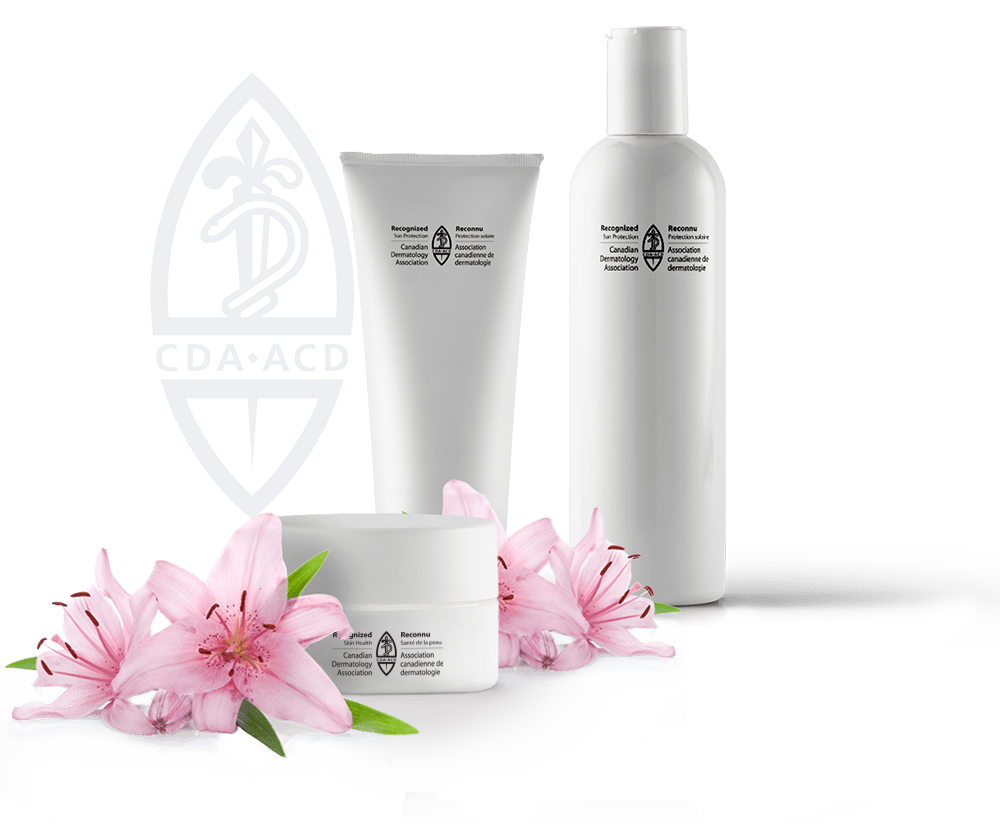
Just Look for the Logo during this winter season.
The CDA’s Skin Health Program (SHP) is based on its longstanding and successful Sun Protection Program (SPP). However, the scope of the Skin Health Program is much broader. The SHP was created to effectively fill a need expressed by consumers and industry for the development of an effective evidence-based review program that reflects the most recent available dermatological science.
Winter doesn’t just change the weather; it also fundamentally shifts the skin’s biology. Cold air, low humidity, and indoor heating accelerate water loss from the skin, weakening the skin’s moisture barrier and leaving it more prone to dryness, sensitivity, and inflammation. Establishing consistent, science-backed skincare habits during the colder months is key for preserving barrier function, maintaining hydration, and keeping skin resilient and comfortable throughout the season.
Dr. Malika Ladha
The program currently recognizes 251 products in both Skin Health and Sun Protection programs. In addition, we are now working on establishing criteria to include cosmetics (makeup) and hair care products as well.
Products recognized under the program should fulfill the below criteria:
- Be fragrance free or unscented.
- Do not contain common allergens.
- Do not clog pores.
- And sunscreens must have an SPF of at least 30.
Visit www.dermatology.ca to access essential resources, information, and support dermatological health and wellness.