

Sarah Remmer
Registered Dietitian (RD)

Darren Litt
Co-Founder, Hiya Health
Disclaimer: This sponsored article is for informational purposes only and does not constitute medical or nutritional advice. Consult a qualified healthcare professional before making decisions about supplements or nutrition for children. Product information and claims were provided by the sponsor, Hiya Health.
Amid a crowded wellness market, experts weigh in on kids’ gummy vitamins, sugar content, and what parents should consider.
Stroll down any children’s supplement aisle and you’ll see parents scanning shelves of brightly coloured bottles, eyes darting between brands. Parents do their best to make informed decisions, but a saturated wellness market with flashy advertising and misinformation often leads to mixed messaging and confusion.
Gummy multivitamins are extremely popular because they’re easy to take and taste great, an ideal combination for busy parents with potentially picky kids. However, Sarah Remmer, a registered dietitian (RD), notes that they often contain added sugars and other unhealthy ingredients, and recommended doses can require multiple gummies per day, increasing overall sugar intake and creating associations with actual candy. Despite their popularity, there are growing concerns about nutritional trade-offs.
Looking beyond the gummy
As an RD and mother, Remmer says parents worry about nutritional gaps and building nourishing meals while juggling daily tasks. Many turn to multivitamin gummies because “they care deeply and want reassurance, and multivitamins can fill those gaps and give peace of mind.”
However, Remmer cautions that children’s supplements are not automatically necessary or evidence-based. Many contain artificial additives, added sugars, and fillers, with potentially unregulated or under-studied ingredients. Newer research indicates that gummies often lack standardized dosages and age-appropriate formulations, are unable to support added minerals, and contain high amounts of sugar and glucose, which contribute to increased cavity rates. She advises that good nutrition starts with food variety, and that when supplementing with multivitamins, parents should look for transparent ingredients, evidence-based guidance from sources like pediatric medical organizations or RDs, and third-party testing. Remmer also encourages parents to look for multivitamins with low or no added sugar, and for this reason she prefers chewables over gummies as part of a balanced supplementation routine.
Redefining children’s supplements
Darren Litt is a father, tech entrepreneur, and co-founder of Hiya Health, a brand born from the realization that the gummy multivitamins recommended for his daughters were essentially candy disguised as health products, with up to five grams of added sugar. He teamed up with co-founder Adam Gillman to rebuild the category around transparency, verifiable data, and sustainability — priorities that are increasingly important to discerning parents.
Hiya’s Kids Daily Multivitamin challenges the idea that vitamins need to be sugary gummies to be appealing. The once-daily chewable provides comprehensive nutrition without added sugar, gummy additives, artificial ingredients, or preservatives, with over 15 essential vitamins and minerals plus 12 organic fruits and vegetables. It’s pediatrician-formulated, third-party certified, and dentist-backed.
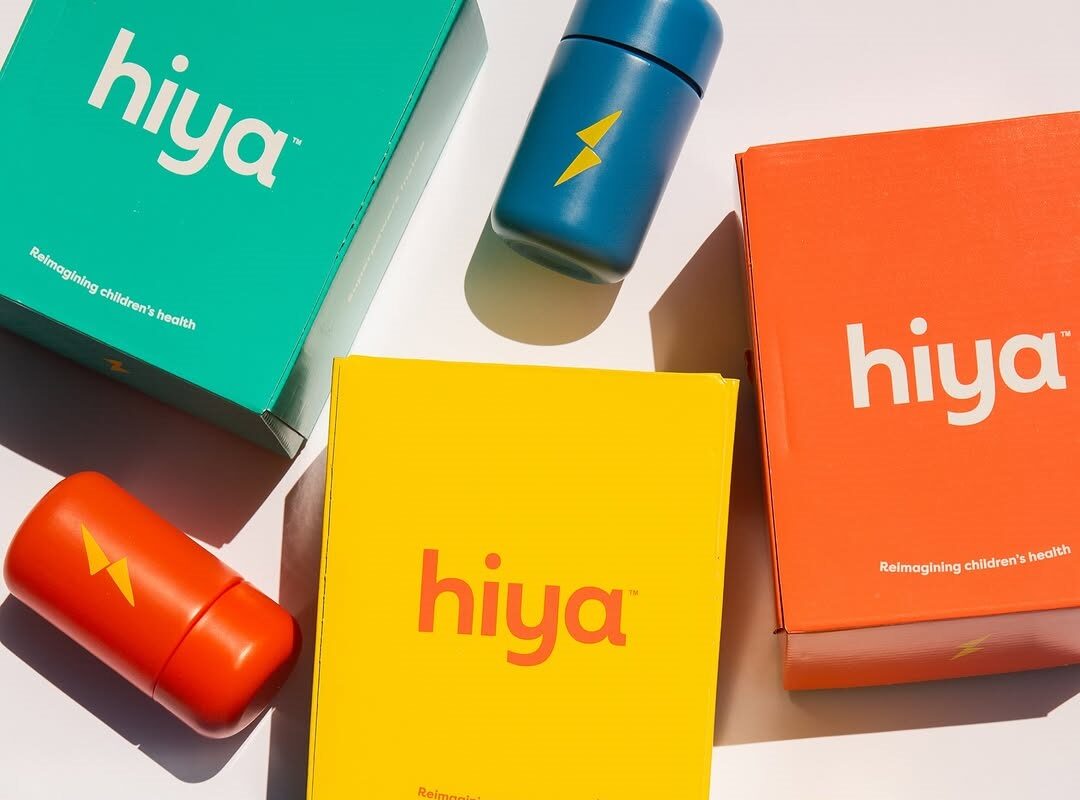
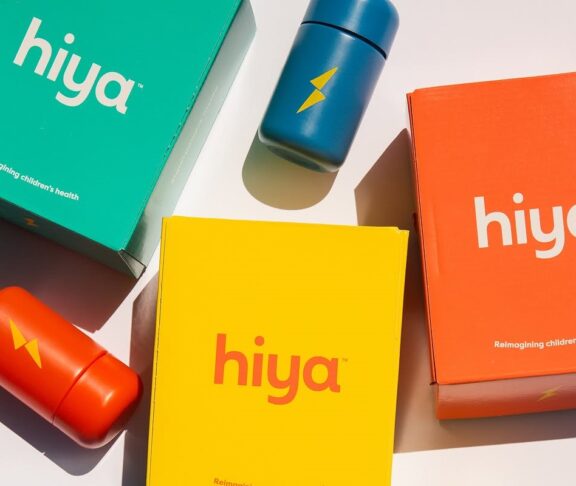
Hiya recently launched in Canada due to strong demand. Its innovative direct-to-consumer model includes a refillable glass bottle, decorative stickers, and monthly refill pouches, making healthy habits fun, interactive, and environmentally conscious.
Alongside the launch, Litt hopes the brand fills the gap for parents who prefer honesty rather than clever marketing claims that overpromise results.
Building habits that last
Healthy habits form when parents model positive behaviours, establish predictable daily routines, and encourage children to participate in healthy choices. No routine is perfect, but the City of Toronto’s Positive Parenting guidelines note that “routines don’t have to be strict — they work best when they’re flexible and responsive to your child’s needs.”
Parents should take comfort knowing they’re doing their best and, when extra support is needed, turn to expert-formulated products that prioritize evidence over marketing claims.
Learn more about cleaner, evidence-based children’s vitamins and explore healthier wellness alternatives for your family at hiyahealth.com.