


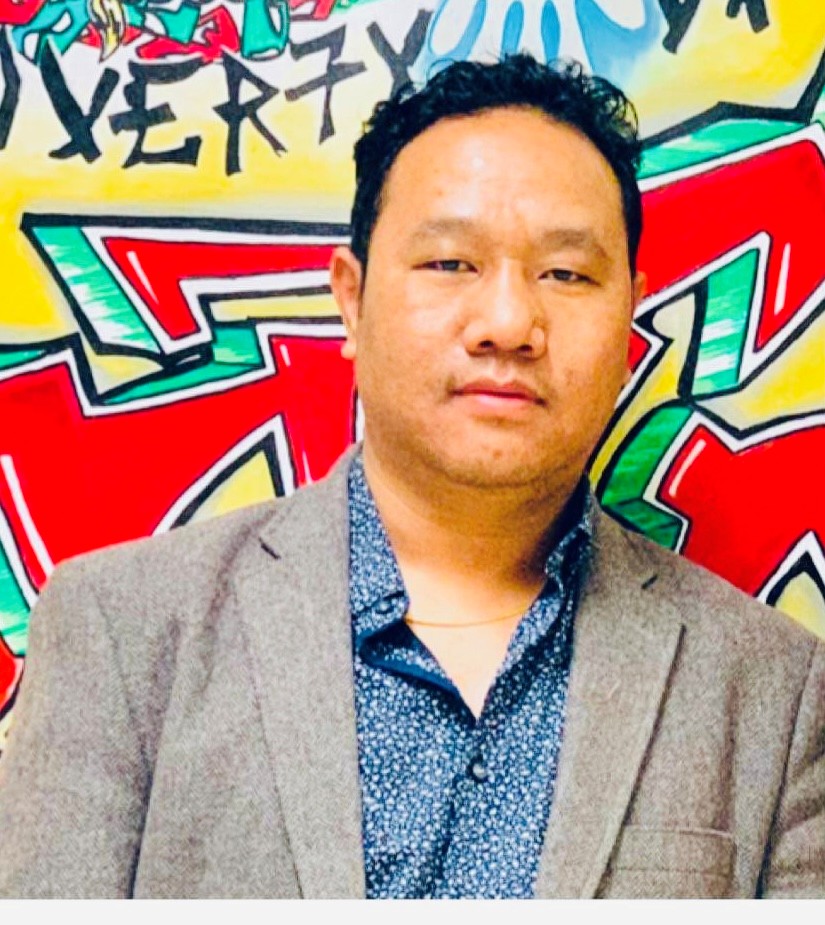
Madan Gurung
Deaf Newcomer to Canada
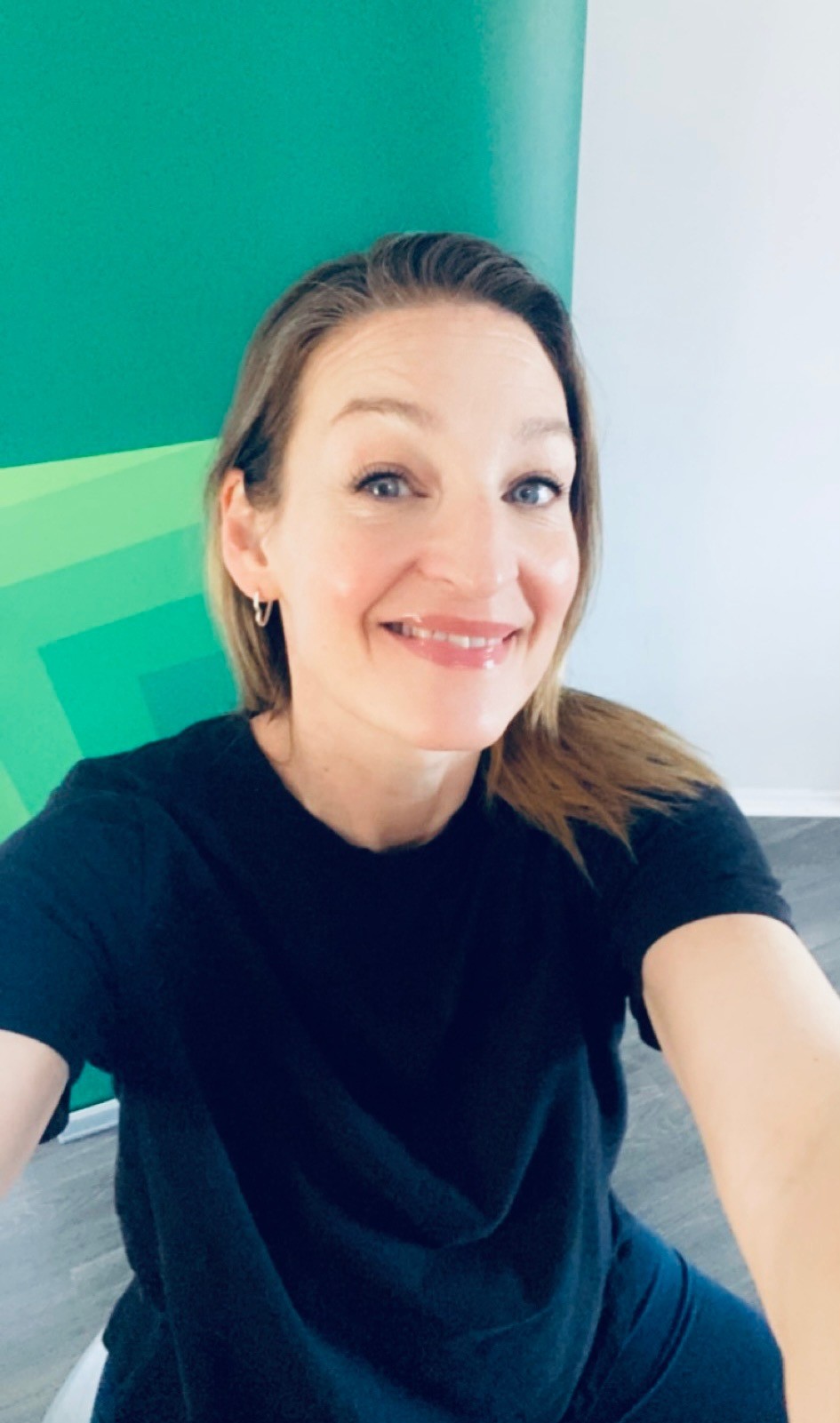
Jennifer Lynch
Settlement Services Counsellor at CHS
The Canadian Hearing Services Deaf-led Settlement Program helps newcomers who are Deaf or hard of hearing overcome language, communication, and integration barriers.
Adapting to a new country is challenging, especially if you’re Deaf or hard of hearing. Canadian Hearing Services (CHS) helps to ease this transition through its Deaf-led Settlement Program and Language Instruction for Newcomers to Canada (LINC). Mediaplanet recently met with Madan Gurung, a Deaf newcomer, and Jennifer Lynch, a settlement services counsellor at CHS, to learn more.

What was your newcomer experience like?
Madan Gurung (MG): My family and I had to flee war-torn Bhutan and lived in Bhutanese and Nepalese refugee camps for about 20 years. Living there as a Deaf person was very difficult. In 2013, we were accepted as Permanent Residents of Canada. Though finally safe and free, the adjustment wasn’t easy. I could communicate in Nepali Sign Language, but most Deaf staff and interpreters used American Sign Language (ASL). The communication barriers made it hard to access information, understand our options, and become independent in our new community.
How did you discover CHS?
MG: Shortly after arriving in Canada, my wife, who is also Deaf, and I, and my two Deaf siblings, attended a class offered by a local agency. Two CHS staff members approached us and told us about the services and support available to Deaf newcomers. Since then, CHS has become an important part of our lives, and we’ve stayed connected with the organization.
What is your role with the CHS Settlement Program?
Jennifer Lynch (JL): I’m often the first Deaf person a newcomer meets after arriving in Canada. My role is to help Deaf newcomers understand the Canadian system, access the support they need, and feel welcomed and respected as they begin their new life in Canada. I provide guidance, support, and communication assistance.
How does your own experience shape how you support newcomers coming through the program?
JL: It helps me understand their challenges and frustrations, and the adjustments that come with starting a new life in Canada. I can connect with them not only as a staff member, but also as a fully Deaf person who has faced barriers and found ways to overcome them.
What CHS services did you use and how did they help you?
MG: I used several, including LINC, settlement services, and employment services. My experience was very positive. Through the LINC and settlement services, I had opportunities to build my confidence in using ASL and pass my Canadian citizenship test. With their employment support, I was able to find work.
What does your participation in the Deaf community’s pickleball activities mean to you?
MG: Pickleball has allowed me to connect with other Deaf people, build friendships, and practice my ASL in a welcoming environment. I’m proud to be part of a sporting community where we have fun, support one another, and build lasting friendships.
What aspects of the CHS Settlement Program do you find most rewarding?
JL: Seeing newcomers like Madan become more comfortable advocating for themselves and participating in the Deaf community is very meaningful to me. CHS continues to be a vital resource for the Deaf and hard of hearing communities.
Visit chs.ca/settlement-program for more information about its settlement services for newcomers who are Deaf or hard of hearing.

LINC is funded by Immigration, Refugees and Citizenship Canada