


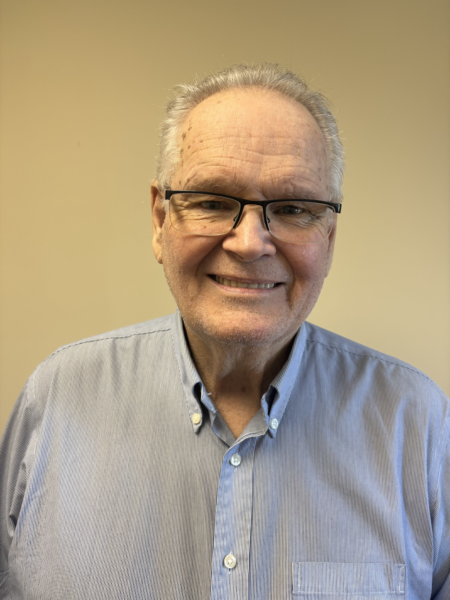
Myles Murphy
Executive Director at NLAD
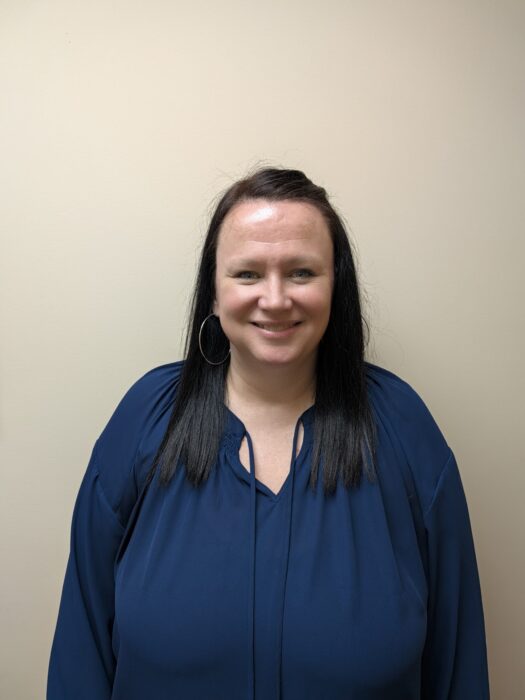
Nancy Emberley
Community Support Worker for NLAD
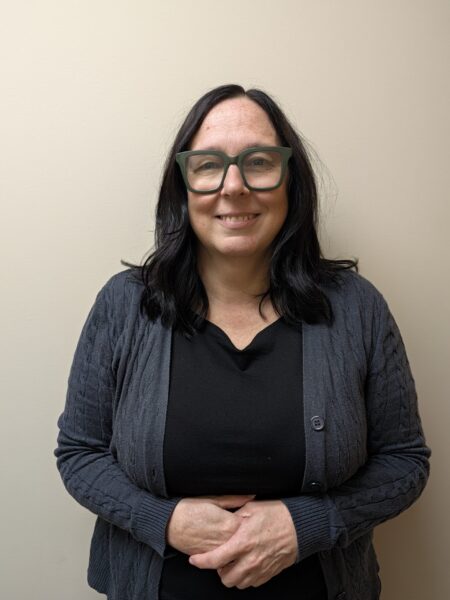
Paula Coggins
Manager of Interpreting Services, and ASL Consultant
This Canadian Island may be small in population size, but it’s making big strides when it comes to accessibility and Deaf-led social services.
For the Deaf community, a lack of access to ‘commonplace’ social services has sadly become the ‘norm’. Organizations and associations simply don’t accommodate for Deaf people the way they do the hearing population. For over 20 years, the Newfoundland and Labrador Association for the Deaf (NLAD) has committed to improving access for the local Deaf community and in doing so have set a new standard for Deaf accessibility across the country.
I started lobbying for the government twenty years ago. The Deaf community did not have accessibility. When the government heard me, it expanded to more programs and services.
Myles Murphy, Executive Director at NLAD
Through their work, the NLAD offers accessible programming to the NL-based Deaf population, including hard-to-reach areas across the province. The organization helps the community access communication (interpreting), health and well-being supports, employment, housing, and community services. The organization is committed to only helping the Deaf community access communication assistance when using these types of programs but customizing these services to meet their specific needs. “We focus on protection and promotion of Deaf culture,” says Nancy Emberley, Community Support Worker for NLAD. “As an island, we’ve had to be creative in how we find ways to fill gaps and offer Deaf-led services.”
Mental health supports
For the Deaf community, mental health issues occur at a much greater rate, not because of deafness, but because of the barriers they face when it comes to education, access and information. Deaf people often grow up in families who simply have not been supported to communicate effectively with them, directly impacting their sense of self, development and health, as they navigate life. It is this, combined with systemic barriers experienced throughout their lifetime, that results to higher rates of mental health conditions. Renee Phair Healey, Psychologist and Director of Family Communication for NLAD explains why mental health in the Deaf community remains such an important part of the NLAD’s work.

How does inclusion impact the mental health/wellbeing of the Deaf community?
Renee Phair Healey: Many of our community haven’t been in spaces that have affirmed their identity, language, and culture. When it comes to mental health, Deaf individuals are left out of mental health literacy and as a result there is a lack of knowledge and understanding of their own conditions.
What are some of the mental health supports for the Deaf community?
Renee Phair Healey: Our work at NLAD is as much about educating hearing people on awareness as it is about having opportunities for our Deaf community to accept and embrace who they are. We offer a space that’s barrier-free. We help them access affirming and appropriate mental health services so they can live healthier lives.
An essential service
A significant part of the NLAD’s work involves interpreting services, which are essential for communication access for the Deaf community. Currently, NLAD’s funding covers six categories for interpretation: medical, legal, employment, education, crisis, and social services. A deaf person can come to the organization and request an interpreter, within the approved service domains, without direct cost, as it is covered by the provincial contract. Some private businesses also cover costs.
Why are interpreting services critical for the Deaf community?
Paula Coggins: Without access to your language, you do not have access to services, left out of vital processes, unable to fulfil your needs. Interpreting Services offer equality and access; we can get the full information.
How are interpreting services structured?
Paula Coggins: At NLAD, we have English hearing ASL interpreters but also Deaf interpreters (DI). Hearing interpreters are skilled, but they don’t have the depth and range as a person with lived experiences. Deaf individuals have lived it. It’s part of who they are. A DI changes the structure and nature of what’s being said so that it’s understood by the client. They are skilled linguistically and able to bring the language down to a more digestible level.
While the NLAD is leading the country when it comes to Deaf-led programming and accessibility, they can’t do it alone. The hearing population has a role to play in advocating for improved services for Deaf communities across Canada. “People need to ask themselves how to become a true ally,” says Renee. “It’s about actions, behaviours and how to make room for our community by making spaces more accessible.”
To learn more NLAD, their programs and why Deaf-led services are so important visit nlad.org