Health Insight
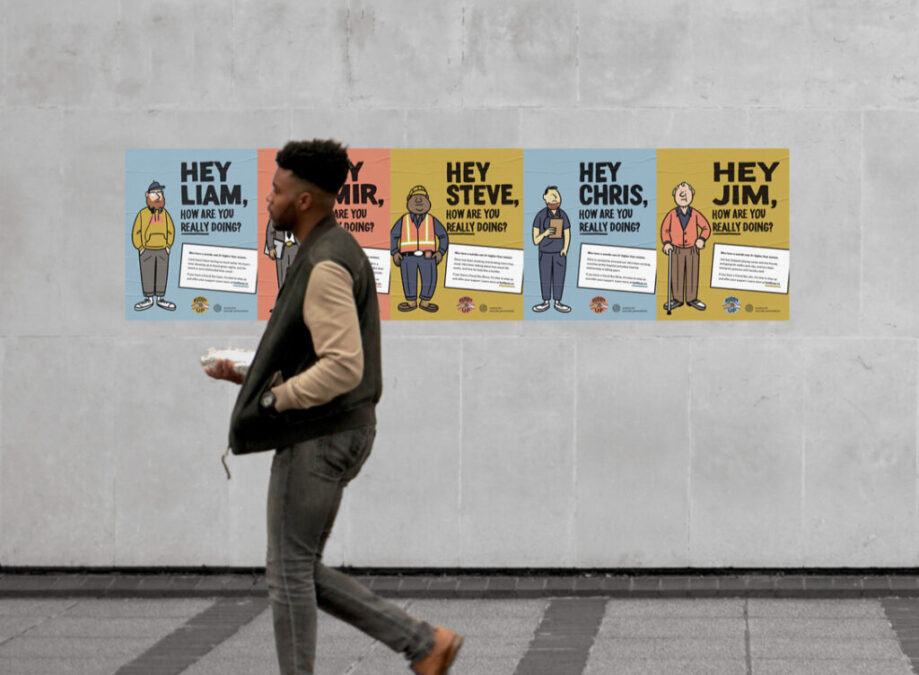
Learn how to recognize warning signs of suicide, start meaningful conversations, and support men’s mental health through everyday connections
Most of us know how to recognize when a friend has broken an arm. We notice the cast, the sling, or visible signs of injury. But when someone is struggling emotionally, the signs can be much harder to see, especially in men.
Men are often socialized to be strong, resilient, and to manage their own problems. This in turn can cause men to feel the need to push through challenges alone, hesitate to reach out for help, or feel shame when they need support.
In Canada, three out of four suicide deaths are men, with men aged 45-64 experiencing the highest number of suicide deaths of any demographic group. These statistics can feel overwhelming, but they also point to the importance of everyone having a role in suicide prevention. Suicide prevention is not the sole responsibility of professionals such as counsellors, psychologists, or crisis responders. Friends, co-workers, teammates, family members, and neighbours can all play a role. This principle is at the heart of Buddy Up, a men’s suicide prevention campaign from Canadian Mental Health Association Alberta Division and Centre for Suicide Prevention.
Buddy Up empowers men to have authentic conversations, strengthen social connection, and amplify the conversation in their workplaces and community. Through educational resources, awareness campaigns, Buddy Up Skills Training, and a network of Champions, Buddy Up supports individuals, workplaces, and communities to bring this conversation to their spaces. Buddy Up Skills Training is a workplace training program that helps participants recognize warning signs, start conversations, and build a system of care within their organization.
How to have a conversation
Research consistently shows that connection matters. Feeling supported, valued, and connected to others can help protect against suicide risk. Yet many men experience isolation, particularly during periods of stress, loss, relationship challenges, retirement, illness, or major life transitions. It is in times like these where caring conversations can be lifesaving. Often, the challenge is how to start that conversation. Many people hesitate to start this conversation as it may be new to them, they may worry about overstepping, or they may not know how to continue supporting the person following a conversation. Buddy Up teaches that you are a friend, not a counsellor, and your authentic conversation can provide needed support to a buddy.
Buddy Up shares how to begin recognizing warning signs, such as withdrawing from friends and family, losing interest in activities they once enjoyed, changes in sleeping or eating patterns, increased substance use, irritability, risk-taking behaviours, feelings of hopelessness, or comments about being a burden to others. Any significant change in someone’s behaviour can be a sign that this buddy may need support.
Checking in with them, whether while working on a project, doing a shared hobby, or visiting a favourite space, can make the conversation feel more comfortable for both of you. Some of our most authentic conversations happen while doing activities side by side that we enjoy. The goal in these conversations is to support your buddy and be a friend. You do not need to solve their problems. Allowing your buddy space to open up and be heard is a method of support. Ask him directly about suicide. Connect him to available resources, such as 9-8-8, the National Suicide Crisis Helpline.
For those who want to learn more about supporting a buddy, recognizing warning signs, or bringing Buddy Up to their workplace or community, visit BuddyUp.ca.
Become a Buddy Up Champion
One way to strengthen and support suicide prevention is by signing up to become a Champion of Buddy Up. Champions support a buddy who may be struggling, learn more about men’s suicide prevention, and encourage others to become involved. There are no minimum expectations of Champions, but many great ways you can add to suicide prevention in your space, whether that is your workplace, community, sports team, or social circle.
The power of help-offering
Many people who are struggling may not begin by reaching out to a professional. More often, they turn to the people they trust. That means each of us has the potential to be part of the solution.
Buddy Up focuses on help-offering behaviour. Rather than waiting for someone struggling with thoughts of suicide to ask for help, we can learn to recognize warning signs, reach out, start authentic conversations, and simply ask, “How are you really doing?”.
To learn more, please visit buddyup.ca.