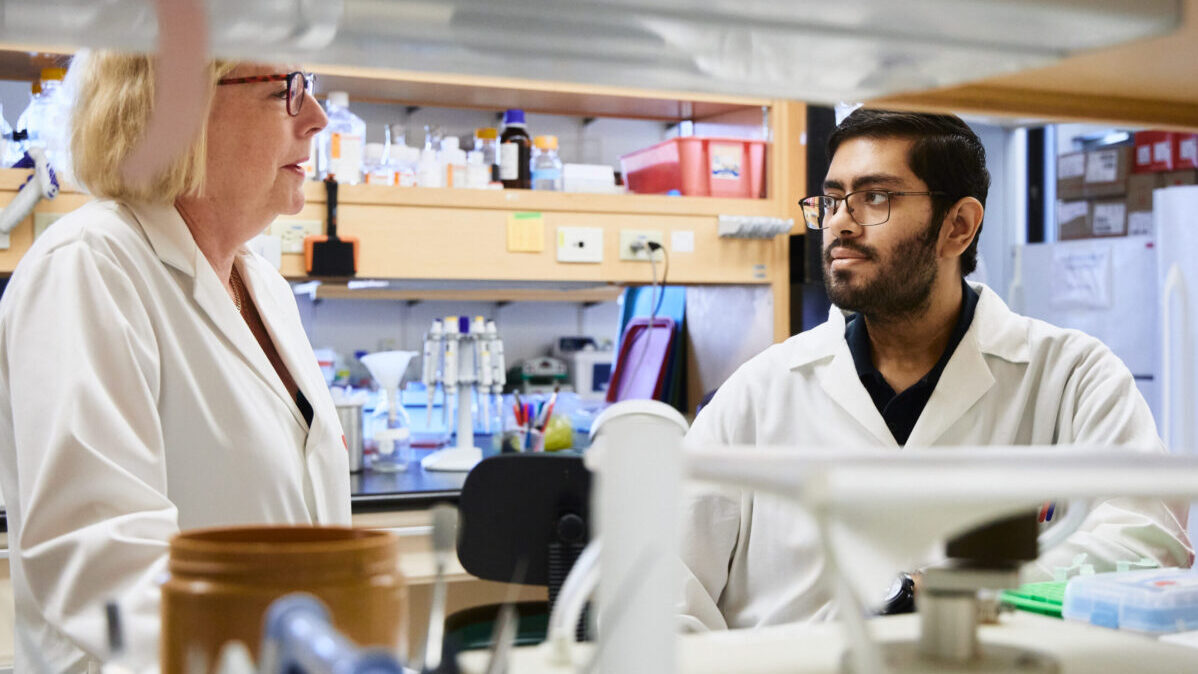

Dr. Susan Howlett
Professor of Pharmacology and Geriatric Medicine, Dalhousie University
Dr. Susan Howlett targets frailty to help people live longer and healthier.
As we get older, some of us slow down considerably while others remain robust and active. Dr. Susan Howlett – a professor of pharmacology and geriatric medicine at Dalhousie University – wants to level the playing field, so more of us can live full lives into our later years.
Dr. Howlett is targeting frailty in research supported by Heart & Stroke. Frailty is what happens when multiple health issues layer on top of one another, leaving you physically depleted and vulnerable.
Specifically, she is investigating links between frailty and heart failure, a debilitating condition in which the heart does not pump blood properly.
“I wanted to understand how frailty sets the stage for conditions that give rise to heart failure,” says Dr. Howlett. “Then we wanted to try to do some interventions, to treat frailty to improve heart function.”
Frailty and heart failure
Early in her career, Dr. Howlett showed that aging has some effects on heart function — effects that are different in males and females. Suspecting that more than biology alone was at play, she turned to a tool that measures frailty to better understand these differences.
What she and her team observed was that the poorest functioning hearts were those of the subjects with the highest frailty score.
“The damage starts really at the subcellular level, and then it starts to accumulate. Then it goes to the cellular level and can lead to problems like chronic inflammation. This starts to damage the organ, and then it finally damages the system. And then you get system failure, which is often observed in people who are very frail.”
In the heart, chronic inflammation leads to fibrous tissue that makes the muscle stiffer and less able to pump and relax. “This leads to a type of heart failure — called heart failure with preserved ejection fraction — which is very common in women and aging people, especially frail older people.”
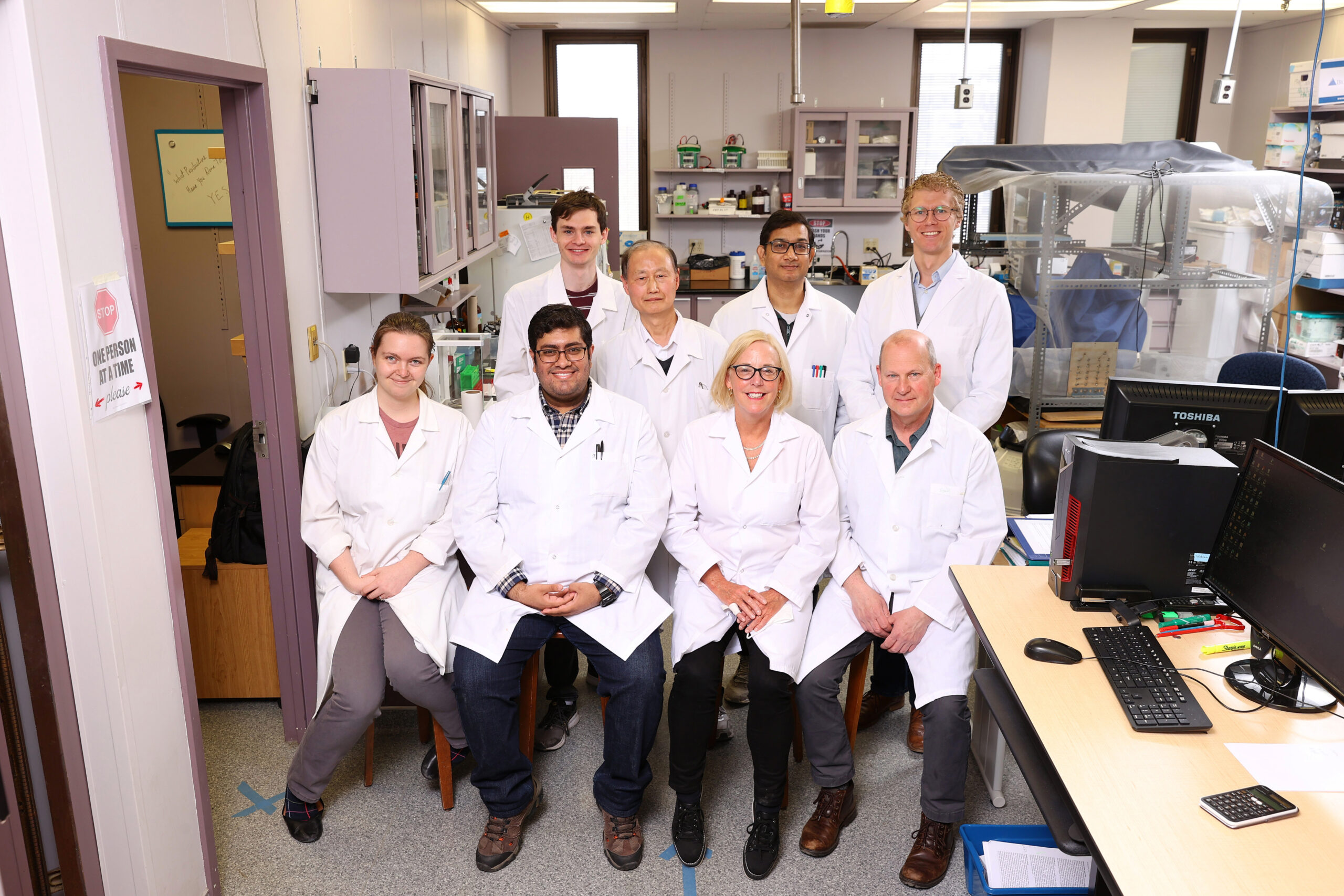
Longevity and prevention for women
Armed with a clearer understanding of the link between frailty and declining heart function, Dr. Howlett is working on solutions to reduce frailty.
She has been testing a drug called enalapril, typically prescribed to reduce blood pressure. “We’re trying now to see how that impacts the heart,” Dr. Howlett says.
She and her team also assessed the impact of physical activity and discovered that it reduces frailty. Next, they will see if a combination of drugs and exercise proves even more powerful.
Throughout her research career, Dr. Howlett has analyzed results by sex and gender to reflect both biological differences and lived experience. Her latest results underline why this is important.
“Our data suggests these interventions are working especially well in female subjects,” she says.
Dr. Howlett is focused on finding treatments to reduce frailty across all sex and gender categories.
“I’m really interested, not in prolonging lifespan, but prolonging health span – promoting healthy aging,” she says. “Eventually, something will get us all. But if you could spend the largest part of your older age in comparatively good health, that would be huge.”
Learn more about Heart & Stroke-funded research at heartandstroke.ca/research.