


Indigenous Peoples face higher rates of kidney disease and barriers to care. Closing the gaps requires listening to communities and investing in equitable care.
Imagine receiving a chronic kidney disease (CKD) diagnosis that requires specialized treatment. What might mean a subway ride or short drive in a city can become a 900 kilometre journey, taking you away from your home, family, and culture. This is the reality patient advocate Tamara Beardy has witnessed among loved ones battling CKD in remote Manitoba communities, and a common experience for many Indigenous patients facing persistent systemic barriers to care.
A disproportionate burden
Although CKD affects people across Canada, rates among Indigenous populations are two to four times higher than the general population, with a seventy-seven per cent higher mortality rate.
Food insecurity, inadequate water infrastructure, systemic racism, and intergenerational inequity are major contributors to chronic disease, particularly in remote communities with limited access to primary care and early screening. This results in delayed diagnosis, more advanced disease, and limited access to dialysis and transplant.
Advanced kidney disease can force relocation to urban hospitals, separating patients from family and community supports and contributing to fear, isolation, and emotional distress.
“You’re a patient being ripped from home and away from family,” Beardy says, describing a cousin with advanced CKD who spent months away from family, navigating an unfamiliar healthcare system and feeling culturally adrift.
Care shaped by community
Through its National Strategic Framework for CKD, The Kidney Foundation of Canada is calling for government action to improve kidney health across the country. This proactive roadmap aims to improve awareness and prioritize prevention, early detection, and prompt intervention, regardless of where people live.
To address systemic barriers affecting access to care in remote Indigenous communities, the Foundation works in partnership with community members to develop and deliver programs and advocate for changes that reflect local cultures, knowledge, and priorities.
Come visit us and see where we live, so you’ll have a better idea of care delivery for your patients.
The Strategic Framework’s recommendations include integrated, person-centred care that includes mental health supports, expanded telehealth, and virtual care to allow follow-ups within the community, and greater access to kidney transplants and living donation.
Beardy recalls a peer-led diabetes prevention program in which communities helped develop culturally aligned programming suited to their needs. She believes kidney care should take a similar approach: “People won’t know until they come and sit with us.”
A call for equitable care
Beardy says major gaps remain. She is calling for mobile teams offering screening and education, transport assistance, Indigenous peer support in hospitals, and better family supports, stressing the need for additional accommodations to ensure patients aren’t alone.
She urges healthcare and patient organizations to listen directly to Indigenous communities: “Come visit us and see where we live, so you’ll have a better idea of care delivery for your patients.”
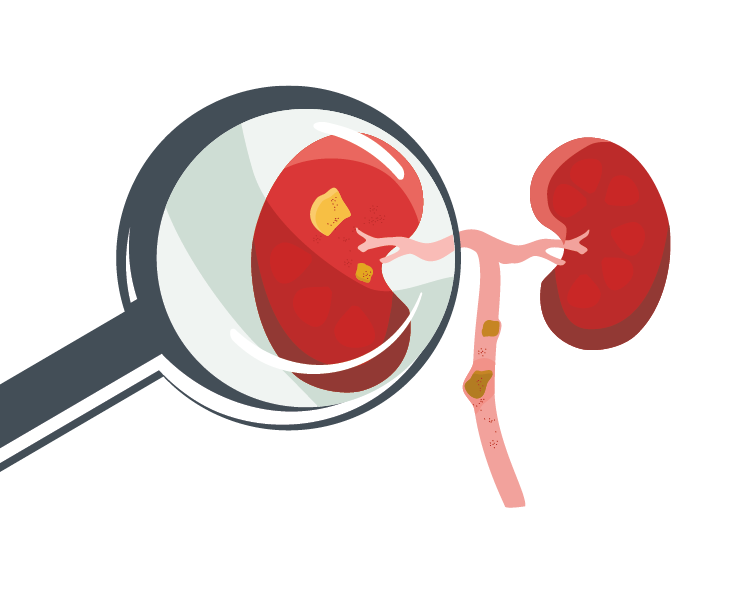
Indigenous people in Canada
are approximately
3x more
likely to experience kidney disease than the general population
A Manitoba study found that
87%
of CKD cases detected
were early stage and
potentially treatable
To learn more about the National Strategic Framework for CKD, visit kidney.ca/framework.