 Health Insight
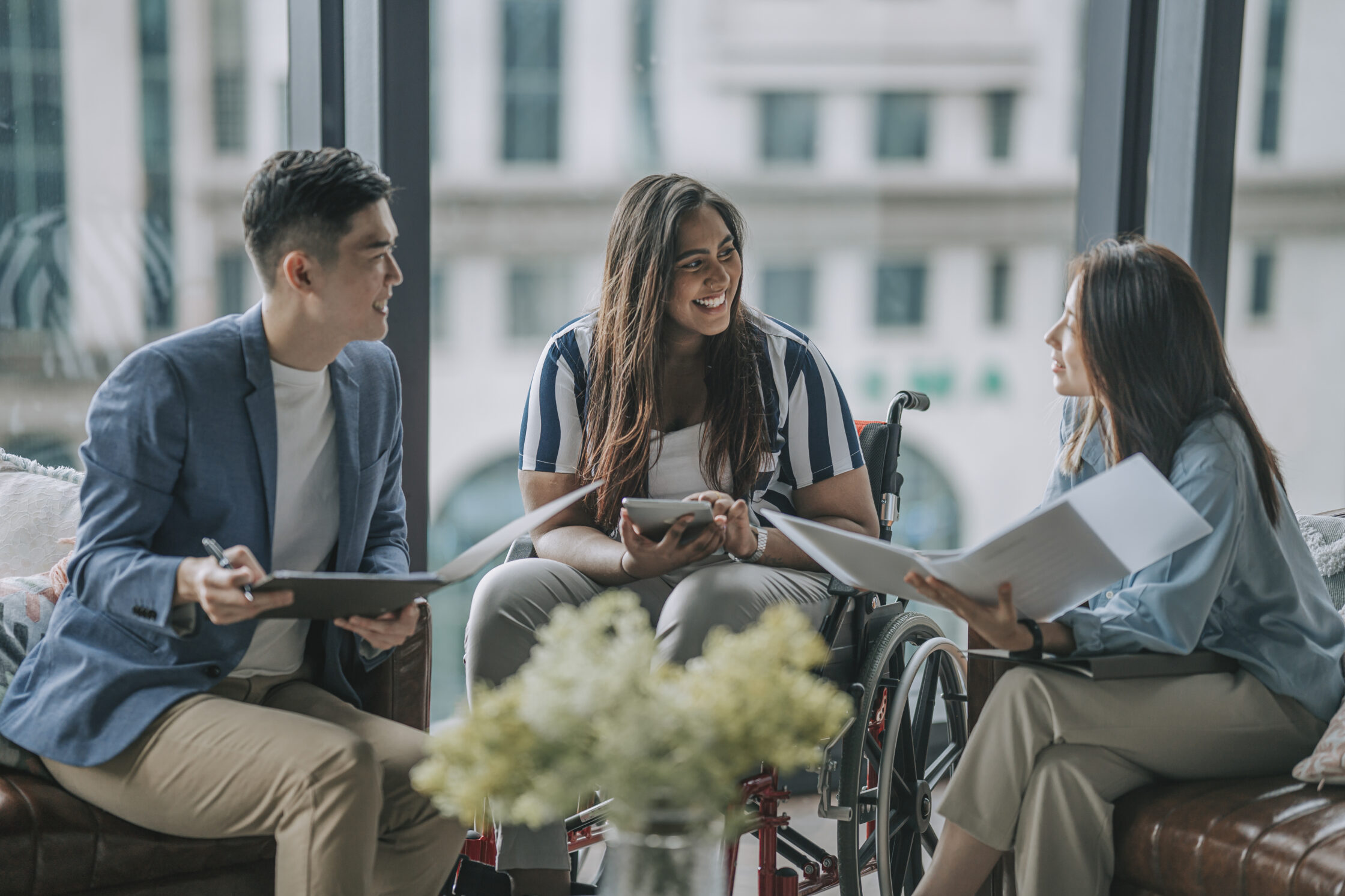
In this issue
-

s Sponsored
New National Report Card Reveals Major Gaps in Access to Cochlear Implants Across Canada
Live More, Hear More: Canada’s First Adult Cochlear Implant Report Card (2026) calls for urgent action to improve equitable, timely access to life-changing hearing care. The Canadian Hard of Hearing Association (CHHA), in partnership with the Spend to Save Coalition, has released Live More, Hear More: Canada’s First Adult Cochlear Implant Report Card (2026), the...
-
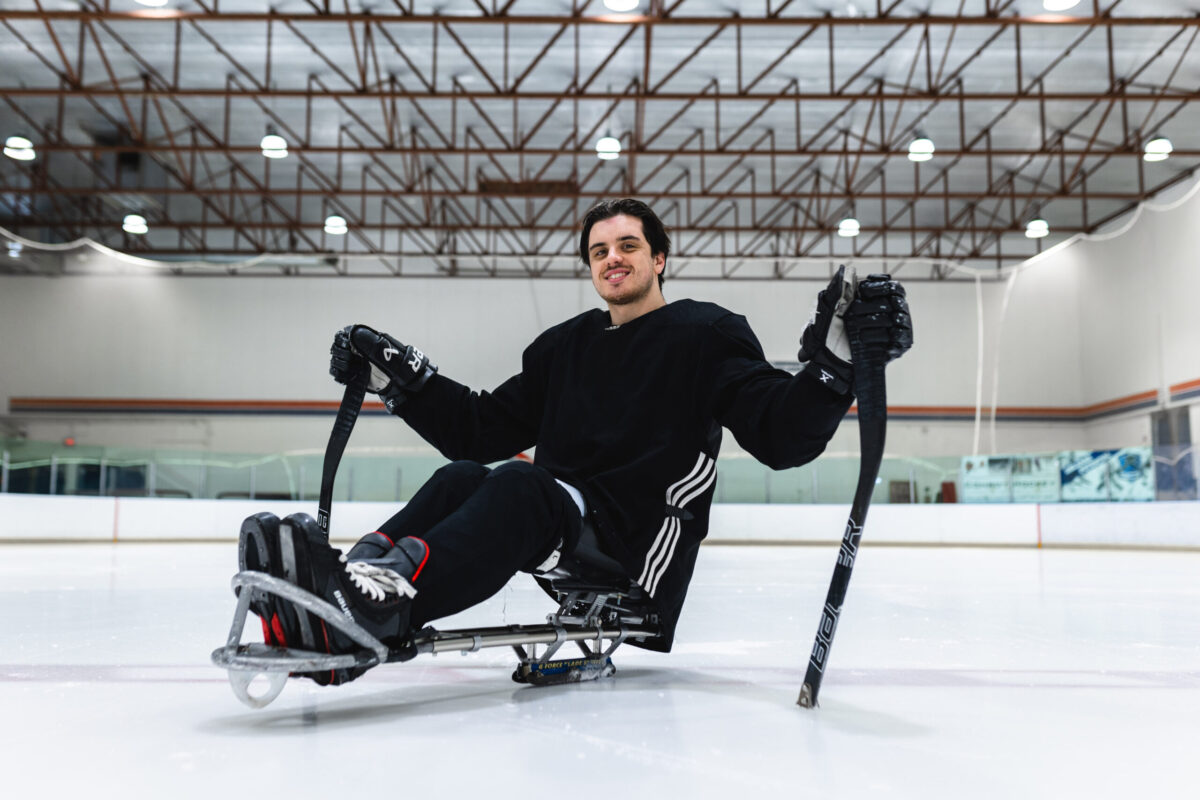
The Power of Participation
After a life-changing injury, Ryan Straschnitzki has become a leading advocate for accessibility and inclusion in Canada. Through sport and his work with the Straz Strong Foundation, he is helping create a society where everyone has the opportunity to fully participate. One of the biggest lessons I’ve learned is that resilience is about adapting when...
-
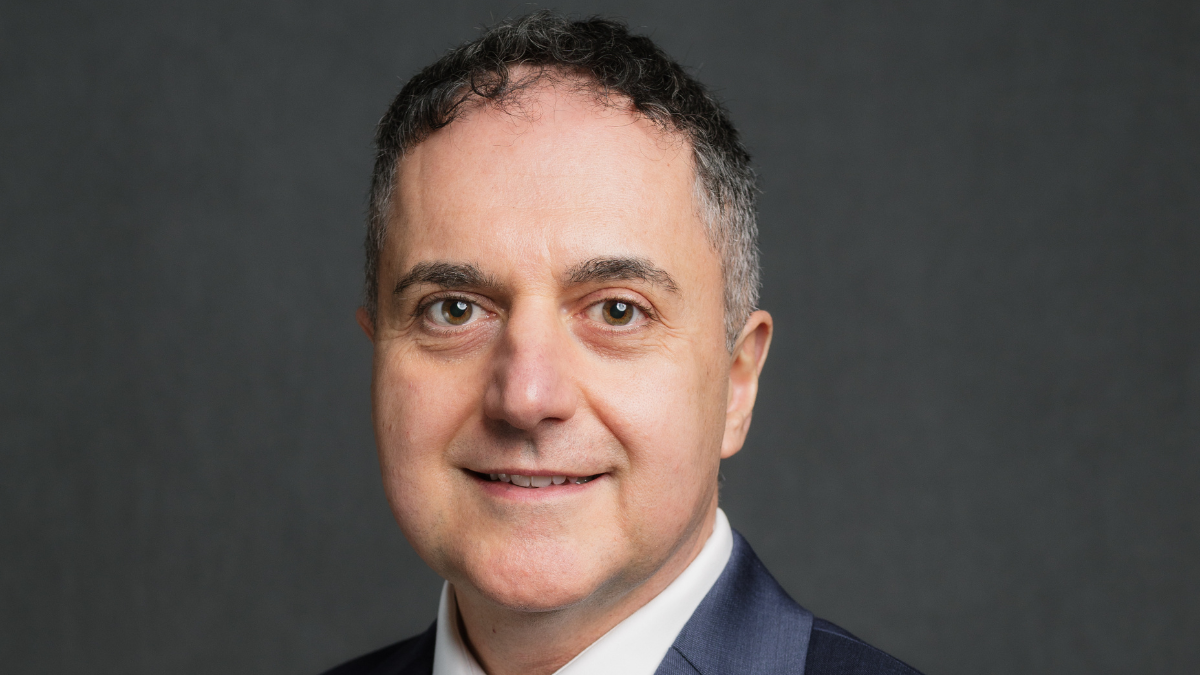
Setting the Standard for Inclusion
As CEO of Accessibility Standards Canada, Dino Zuppa is helping shape a more accessible future through national standards that remove barriers and create greater opportunities for everyone. 1. Accessibility has shifted from a compliance discussion to a broader conversation about inclusion and innovation. How do you see the role of accessibility evolving in Canada over...
-

s Sponsored
Accessibility is Good Design
As more Canadians experience disability, injury, and the effects of aging, accessible design proves that inclusion and beauty are not competing goals. Most people don’t think about accessibility until they need it. You could be a parent with a stroller, navigating a flight of stairs. A beer league hockey player on crutches after tearing your ACL. Someone who wears hearing...
-

s Sponsored
How the Accessibility Institute Turns Research Into Real-World Impact
Carleton University’s Accessibility Institute is helping build a more accessible Canada through innovation, collaboration, and capacity building. Carleton University’s Accessibility Institute advances accessibility through applied research, national collaboration, and professional training. Alongside disabled people, communities, governments, industry, and academic partners in Canada and internationally, the Institute develops practical solutions across a diverse portfolio: AI for...
-

s Sponsored
How Autism Canada Helps Foster Communities Where Everyone Participates
Creating accessible schools, workplaces, and communities starts with recognizing and removing barriers to inclusion. Awareness can change minds, but accessibility changes lives. For many Autistic people across Canada and their families, barriers still exist in schools, workplaces, health care systems, and community spaces — even as public understanding of autism continues to grow. Accessibility plays...
-

s Sponsored
Why Understanding Hidden Disabilities Can Build a Stronger Workforce
August is Episodic Disability Awareness Month and Realize is encouraging workplaces to better understand how to accommodate employees with these conditions. Disabilities are often associated with visual indicators. For the over two million Canadians who live with episodic disabilities, this simply isn’t the case. Episodic disabilities are chronic and invisible, yet their impacts fluctuate, characterized...
-
s Sponsored
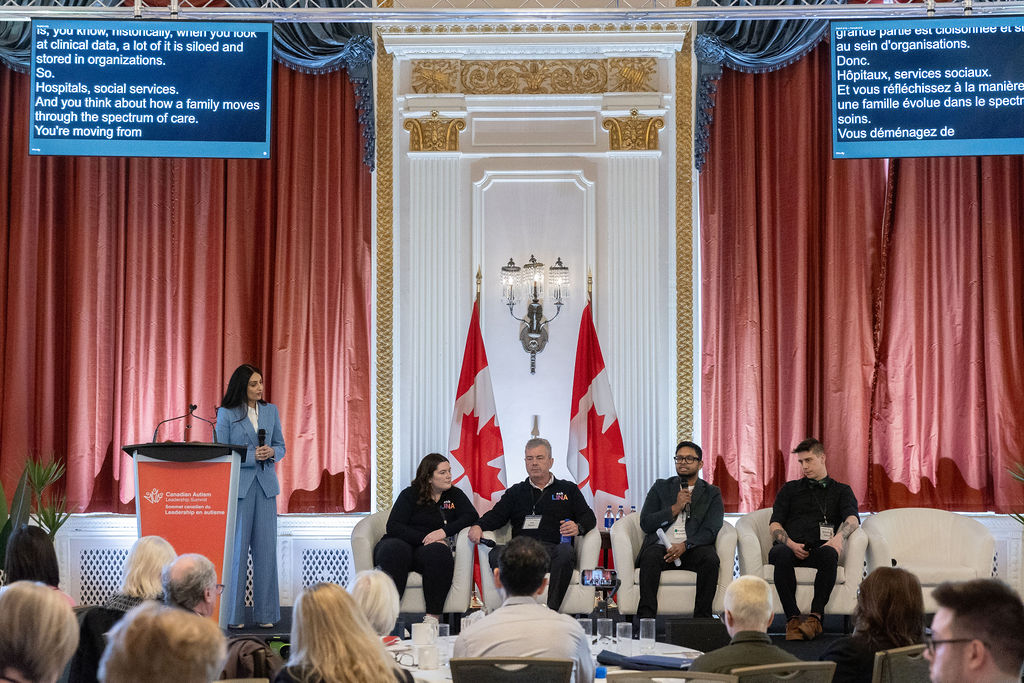
How AI Could Improve Accessibility for Autistic People and Families
AI could help families navigate autism supports if Autistic people and families help shape what comes next. Accessibility is often discussed through physical spaces, broad disability inclusion, or research innovation. Autism brings a different systems challenge: fragmented services, long waits, inconsistent pathways, sensory and communication barriers, and lifelong supports across health care, education, employment, housing,...
-
s Sponsored
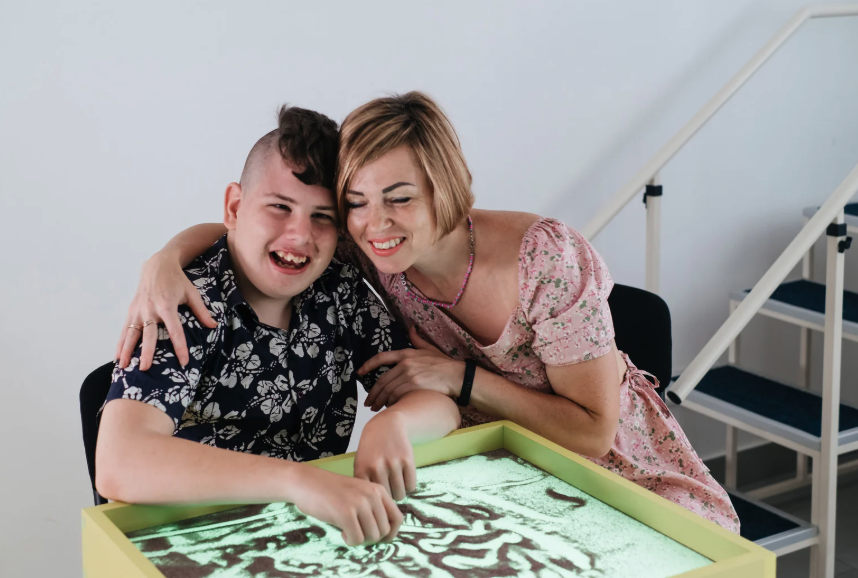
How KBH+ Is Connecting Neurodisability Research to Family Support
Kids Brain Health connects children and youth with neurodisabilities and their families to innovative solutions that help them reach their fullest potential. Every child deserves the chance to grow, learn, and thrive. Yet for one in 10 children and youth living with a neurodisability, that chance is too often out of reach. Thousands are still waiting for timely diagnosis, effective...