 Health Insight
Advocacy
-

s Sponsored
How Autism Canada Helps Foster Communities Where Everyone Participates
Creating accessible schools, workplaces, and communities starts with recognizing and removing barriers to inclusion. Awareness can change minds, but accessibility changes lives. For many Autistic people across Canada and their families, barriers still exist in schools, workplaces, health care systems, and community spaces — even as public understanding of autism continues to grow. Accessibility plays...
-

s Sponsored
Why Understanding Hidden Disabilities Can Build a Stronger Workforce
August is Episodic Disability Awareness Month and Realize is encouraging workplaces to better understand how to accommodate employees with these conditions. Disabilities are often associated with visual indicators. For the over two million Canadians who live with episodic disabilities, this simply isn’t the case. Episodic disabilities are chronic and invisible, yet their impacts fluctuate, characterized...
-

s Sponsored
How AI Could Improve Accessibility for Autistic People and Families
AI could help families navigate autism supports if Autistic people and families help shape what comes next. Accessibility is often discussed through physical spaces, broad disability inclusion, or research innovation. Autism brings a different systems challenge: fragmented services, long waits, inconsistent pathways, sensory and communication barriers, and lifelong supports across health care, education, employment, housing,...
-

s Sponsored
How KBH+ Is Connecting Neurodisability Research to Family Support
Kids Brain Health connects children and youth with neurodisabilities and their families to innovative solutions that help them reach their fullest potential. Every child deserves the chance to grow, learn, and thrive. Yet for one in 10 children and youth living with a neurodisability, that chance is too often out of reach. Thousands are still waiting for timely diagnosis, effective...
-

Movement Is Medicine
Hayley Wickenheiser explains why staying active is essential to building resilience, protecting independence, and aging well. 1. What does healthy aging mean to you? Healthy aging to me means maintaining your independence and having the ability to have a quality of life that enables you to be active, to live, and still be able to enjoy and...
-
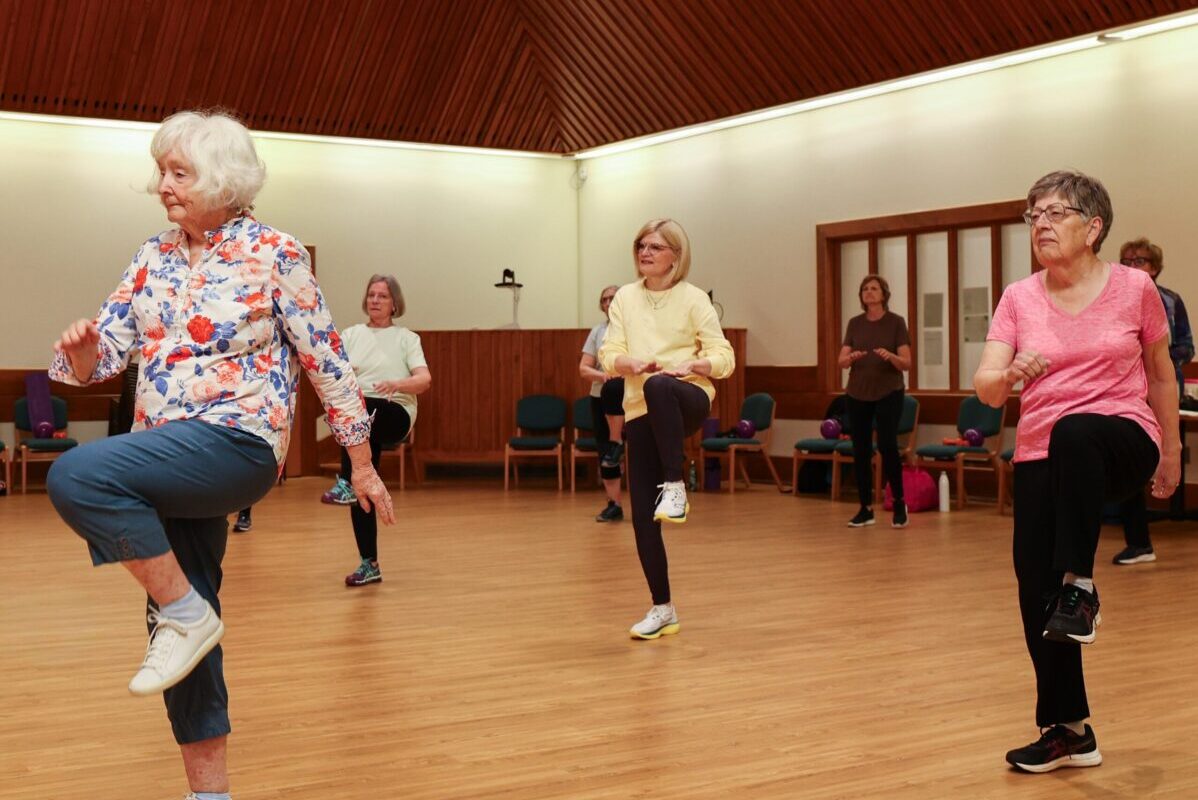
What You Can Do To Prevent Falls
Falls are the No.1 cause of injury for seniors in Canada. Falls can lead to hospital stays and make it harder for seniors to live independently. As people get older, falls are more likely to happen. A fall can cause injury, chronic pain and make everyday life harder. Even without an injury, a fall can...
-
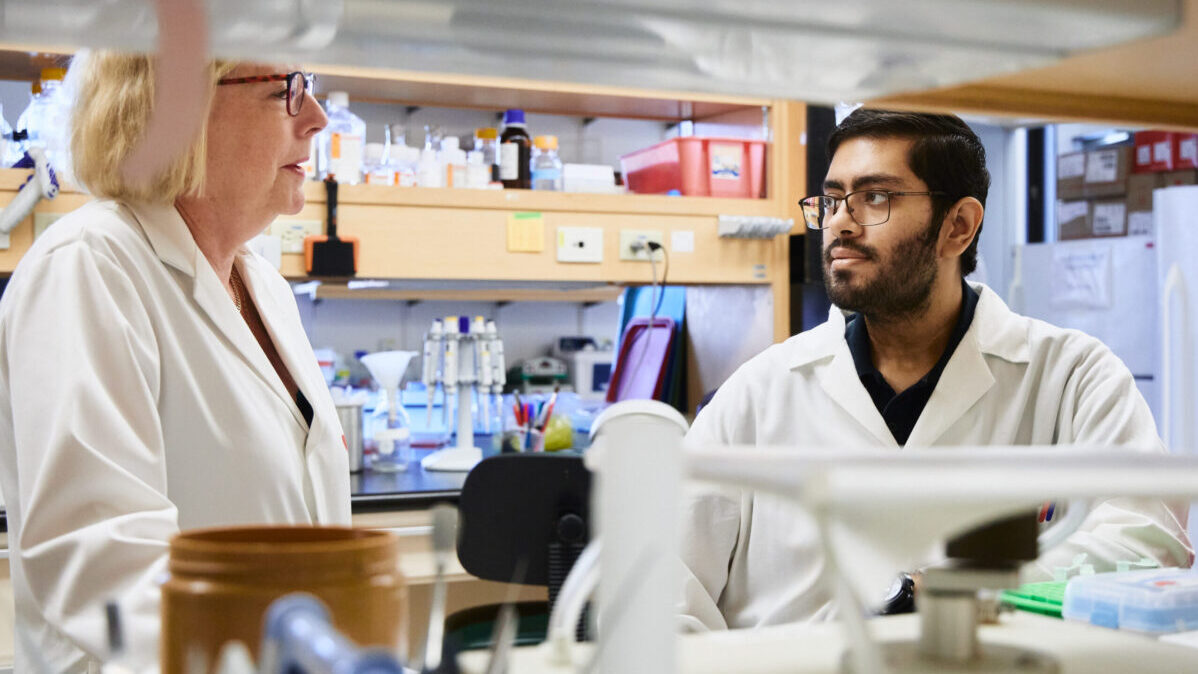
Extending Heart Health for Aging
Dr. Susan Howlett targets frailty to help people live longer and healthier. As we get older, some of us slow down considerably while others remain robust and active. Dr. Susan Howlett – a professor of pharmacology and geriatric medicine at Dalhousie University – wants to level the playing field, so more of us can live full lives into our later...
-
s Sponsored
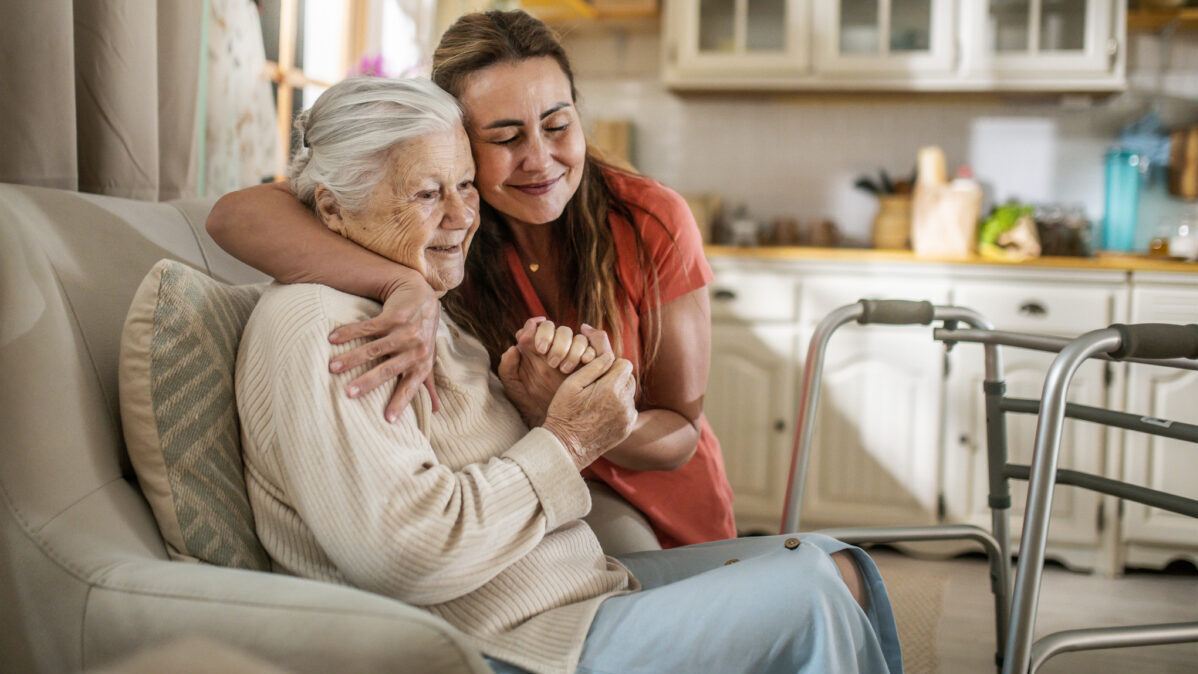
Niagara Health’s Geriatrics Program Treats Caregivers as Essential Partners in Care
Caregivers are woven into geriatric assessments, ongoing case management and connections to community supports. Caregivers play a critical role in helping older adults stay safe and independent at home. At Niagara Health’s Geriatrics Assessment Program, they are not an afterthought. They are part of the care team. The program, which includes the outpatient clinic and...
-
s Sponsored
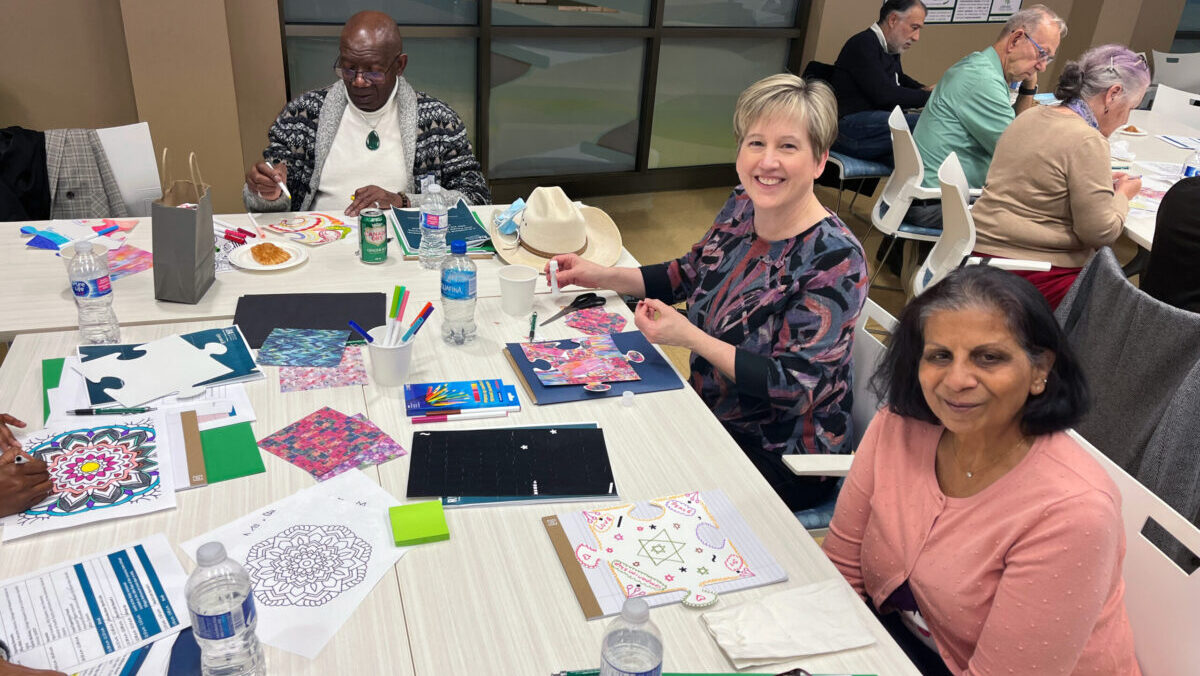
How the RIA is Building More Inclusive Dementia Care Across Cultures
Understanding cultural perspectives in dementia care can reduce stigma, improve access, and better support families navigating the journey. Canada is home to people from more than 450 ethnic or cultural origins, according to Statistics Canada. Reflecting this diversity in dementia research and care is essential to delivering meaningful support. At the Schlegel-UW Research Institute for...
-

s Sponsored
Family Caregivers: The Unseen Strength Behind Care in Canada
New research sheds light on the hidden realities and sacrifices of family caregiving and the growing need for support. Across Canada, caregiving is quietly woven into everyday life. Millions of people provide unpaid assistance to aging or unwell parents, partners, children, or friends. Research from Leger and the Petro-Canada CareMakers Foundation reveals that many caregivers...